


Dorsalgia is the medical term for back pain that affects the spine and surrounding tissues. It can range from mild discomfort to severe pain that interferes with work, sleep, and daily activities. Some people experience short-term pain after an injury, while others develop long-lasting problems due to poor posture, aging, or underlying spinal conditions. Understanding the causes, symptoms, diagnosis, and treatment options is essential for managing this condition effectively.
Early care often leads to faster recovery and helps prevent complications. Whether your pain is caused by a muscle strain, herniated disc, or lower back pain, learning about Dorsalgia empowers you to protect your spine and maintain a healthier, more active lifestyle.
What Is Dorsalgia?
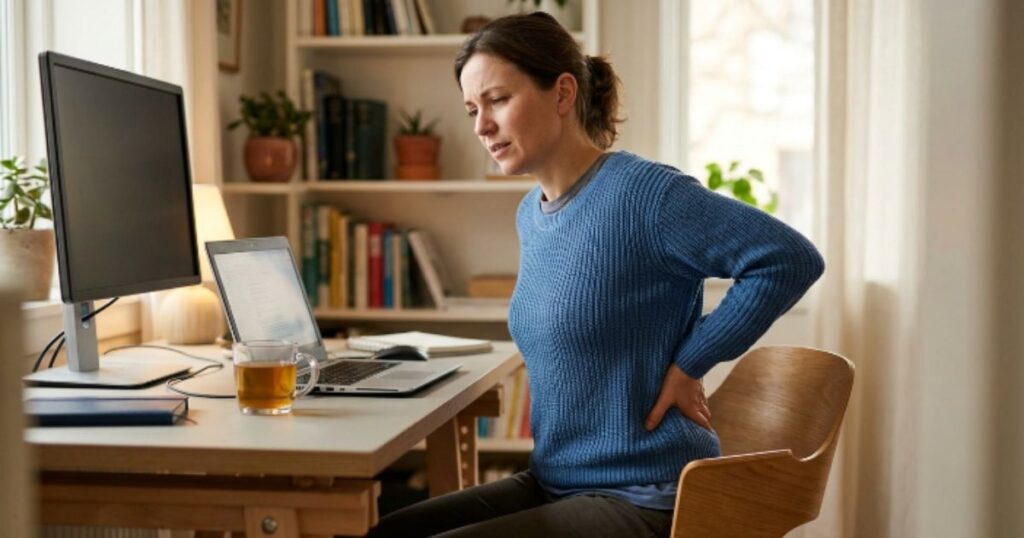
Understanding the Medical Definition of Dorsalgia
Dorsalgia is a broad medical term that describes pain anywhere along the back. Unlike ordinary soreness that disappears after rest, Dorsalgia often points to an underlying issue involving the vertebral column, vertebrae, muscles, ligaments, soft tissues, connective tissues, intervertebral discs, or nerves. The pain can appear suddenly after a sports injury, car accident, or slip and fall. It may also develop slowly because of aging, degenerative changes, or years of repetitive movements. Some people notice a mild dull aching pain, while others experience sharp back pain, shooting pain, or a painful burning sensation that limits movement. The location of the pain often depends on which part of the spine is affected. For example, pain in the neck usually involves the cervical region, while discomfort in the lower back often affects the lumbar region.
Doctors also classify Dorsalgia based on how long the pain lasts. Acute back pain usually begins suddenly and often improves within twelve weeks with proper care. Chronic back pain, however, lasts longer than three months and may require ongoing pain management, rehabilitation, and lifestyle adjustments. Some people experience radiating pain caused by nerve compression, where pain travels into the arms or legs. Conditions such as Sciatica, a bulging disc, or a herniated disc commonly produce these symptoms. Although Dorsalgia can feel alarming, it does not always mean there is serious damage to the spine. A timely diagnosis and the right treatment plan often lead to excellent recovery and lasting improvement.
| Feature | Acute Dorsalgia | Chronic Dorsalgia |
| Duration | Less than 12 weeks | More than 12 weeks |
| Onset | Usually sudden | Gradual or persistent |
| Common Causes | Injury, Muscle strain, overuse | Degenerative disc disease, Arthritis, Spinal degeneration |
| Recovery | Often improves with conservative care | May require long-term treatment and lifestyle changes |
Types of Dorsalgia
The Different Types of Dorsalgia Explained
Healthcare professionals divide Dorsalgia into several types based on the part of the spine involved. This classification helps doctors identify the source of pain and recommend the most effective treatment. Cervical dorsalgia affects the neck and commonly causes neck pain, headaches, and reduced movement. Cervicothoracic dorsalgia involves both the neck and upper back, making daily tasks such as turning the head or lifting objects uncomfortable. Thoracic dorsalgia develops in the middle of the back and is less common because this part of the spine moves less than other regions. Thoracolumbar dorsalgia affects both the middle and lower back, while Lumbar dorsalgia is the most common type because the lower spine supports much of the body’s weight during standing, walking, and lifting. Lumbosacral dorsalgia involves the lower lumbar area and the sacrum, often causing pain that spreads toward the hips or legs.
Each type of Dorsalgia has unique characteristics even though many symptoms overlap. Someone with Lumbar dorsalgia may struggle with difficulty bending, while a person with Cervical dorsalgia may notice stiffness and discomfort when driving or working at a computer. Likewise, Thoracic dorsalgia often causes middle back pain that worsens after sitting for long periods. Doctors consider the location of pain, medical history, and physical findings before deciding which area of the spine needs further evaluation. Understanding these different forms also helps patients recognize that back pain is not a single condition. It is a group of disorders with different causes, symptoms, and treatment approaches.
| Type of Dorsalgia | Affected Area | Common Symptoms |
| Cervical dorsalgia | Cervical spine | Neck pain, stiffness, headaches |
| Cervicothoracic dorsalgia | Neck and upper back | Pain across both regions, reduced mobility |
| Thoracic dorsalgia | Thoracic spine | Middle back pain, stiffness |
| Thoracolumbar dorsalgia | Mid and lower back | Pain during movement and lifting |
| Lumbar dorsalgia | Lumbar spine | Lower back pain, muscle tightness, Sciatica |
| Lumbosacral dorsalgia | Lower spine and Sacral spine | Pain radiating to the hips, buttocks, or legs |
Did You Know?
Lumbar dorsalgia is the most frequently diagnosed type because the lower back carries most of your body weight during everyday activities such as walking, lifting, and bending. Early treatment and healthy habits can significantly improve recovery and support lifelong spine health.
Common Causes and Risk Factors of Dorsalgia
What Causes Dorsalgia and Who Is Most at Risk?
Dorsalgia can develop for many reasons, and finding the real cause is the key to successful treatment. In many cases, the pain starts after a Muscle strain caused by Heavy lifting, sudden twisting, or intense Physical exertion. Other people develop symptoms slowly because of Poor posture, Sedentary lifestyle, or spending long hours sitting at a desk. These habits place extra pressure on the Spinal column, weaken the supporting Muscles, and reduce flexibility over time. As the spine loses support, the risk of Spinal pain, Lower back pain, and Upper back pain increases. Medical conditions such as Degenerative disc disease, Arthritis, Osteoporosis, Spinal degeneration, and a Herniated disc can also damage the Intervertebral discs and nearby Ligaments, leading to ongoing discomfort. In some people, Nerve compression causes Sciatica or Radicular pain, where pain travels from the lower back into the hips, buttocks, or legs. Even emotional factors like Stress can tighten the muscles around the spine, making pain feel worse and slowing recovery.
Some risk factors are beyond your control, while others can be improved with healthy habits. Aging naturally causes wear on the Vertebrae, Soft tissues, and joints, increasing the chance of developing Spinal conditions. Carrying excess body weight also places extra pressure on the Lumbar spine, making Lumbar dorsalgia more likely. People with Weak core muscles often struggle to support their spine properly, which increases the risk of repeated injuries. Jobs that involve Repetitive movements, construction work, warehouse lifting, or driving for long hours also raise the chance of developing Chronic back pain. Athletes may develop Dorsalgia after a Sports injury, while older adults often experience pain related to Degenerative changes or Joint pain. The encouraging news is that many of these risks can be reduced through Lifestyle changes, regular exercise, weight management, and better daily movement habits. Taking care of your spine today can prevent years of discomfort tomorrow.
| Common Cause or Risk Factor | How It Affects the Spine |
| Poor posture | Increases pressure on spinal joints and muscles |
| Heavy lifting | Can strain muscles and damage discs |
| Muscle strain | Causes inflammation and temporary pain |
| Herniated disc | Compresses nearby nerves and causes radiating pain |
| Bulging disc | Irritates spinal nerves and reduces mobility |
| Degenerative disc disease | Wears down spinal discs over time |
| Arthritis | Damages joints and limits movement |
| Osteoporosis | Weakens bones and increases fracture risk |
| Obesity | Adds stress to the lower back |
| Sedentary lifestyle | Weakens supporting muscles |
| Stress | Increases muscle tension and pain sensitivity |
| Sports injury | May damage muscles, ligaments, or vertebrae |
Expert Insight: Many people believe back pain always comes from damaged bones or discs. In reality, tight muscles, poor movement patterns, and unhealthy daily habits often play an equally important role.
Symptoms of Dorsalgia
Common Warning Signs and Symptoms to Watch For
The symptoms of Dorsalgia vary from one person to another because different parts of the spine can be affected. Some people wake up with a mild Dull aching pain that improves during the day. Others develop sudden Sharp back pain after lifting a heavy object or making an awkward movement. The pain may remain in one area or spread as Radiating pain into the shoulders, arms, hips, or legs. When Nerve compression occurs, people often notice Tingling sensation, Numbness, or Muscle weakness in the affected limb. Stiffness is another common complaint, especially after sitting for long periods or waking up in the morning. Many people also experience Muscle stiffness, Limited flexibility, and Reduced range of motion, making simple tasks feel much harder than usual. Pain may become worse while bending, standing, walking, coughing, or even laughing, depending on the underlying cause.
As Dorsalgia becomes more severe, it can interfere with almost every part of daily life. You may notice Difficulty walking, Difficulty standing, or Difficulty bending because the spine no longer moves comfortably. Some people avoid physical activity because they fear making the pain worse, yet too little movement often weakens the muscles that support the spine. Symptoms linked to conditions such as a Bulging disc, Herniated disc, or Sciatica may travel below the knee and create burning or electric-like pain. In rare situations, Warning signs of dorsalgia require immediate medical attention. These Red flag symptoms include sudden loss of bladder or bowel control, severe weakness in the legs, unexplained fever, significant weight loss, or pain after a serious accident. Recognizing these symptoms early can prevent complications and improve the chances of a full recovery.
| Symptom | What It May Indicate |
| Sharp back pain | Muscle injury or disc problem |
| Dull aching pain | Muscle fatigue or chronic condition |
| Burning sensation | Nerve irritation |
| Shooting pain | Nerve compression |
| Radiating pain | Sciatica or disc injury |
| Muscle weakness | Nerve involvement |
| Muscle stiffness | Muscle strain or inflammation |
| Limited mobility | Joint or muscle dysfunction |
| Limited flexibility | Tight muscles or spinal degeneration |
| Tingling sensation | Nerve irritation |
| Numbness | Compressed nerves |
| Difficulty walking | Advanced nerve or spinal condition |
| Difficulty standing | Severe lower back involvement |
| Difficulty bending | Disc injury or muscle spasm |
| Reduced range of motion | Joint stiffness or inflammation |
Remember: Pain is your body’s warning system. Mild symptoms often improve with early care, but persistent or worsening pain should never be ignored. Early diagnosis leads to better treatment and protects your long-term Spine health.
How Is Dorsalgia Diagnosed?
Tests and Medical Evaluations Used to Diagnose Dorsalgia
Finding the exact cause of Dorsalgia is one of the most important steps toward successful treatment. Since many Spinal conditions produce similar symptoms, your healthcare provider will begin with a detailed Medical history. You will be asked when the pain started, where it hurts most, what makes it better or worse, and whether you have had a recent Sports injury, Car accident, or Slip and fall. The doctor will also ask about your daily routine, work habits, exercise level, and previous health conditions. Next comes a thorough Physical examination, where your posture, walking pattern, muscle strength, and flexibility are carefully checked. During the Clinical evaluation, your doctor may ask you to bend forward, walk on your heels and toes, or lift your legs while lying down. These simple movements help identify muscle injuries, joint problems, or Nerve compression. A complete Spine assessment also checks for tenderness, swelling, abnormal movement, and changes in Spinal alignment, helping the doctor narrow down the possible causes of your pain.
If the initial examination suggests a more complex problem, your healthcare provider may recommend additional tests. Imaging tests allow doctors to see the inside of the spine without surgery. An X-ray shows the position of the bones and can detect fractures, arthritis, or changes in spinal alignment. An MRI scan provides detailed images of the Soft tissues, Intervertebral discs, Ligaments, and Nerves, making it one of the best tools for diagnosing a Herniated disc, Bulging disc, or Degenerative disc disease. A CT scan creates detailed cross-sectional images and is often used when bone injuries or complex spinal problems are suspected. If your symptoms suggest nerve damage, your doctor may order an EMG test, which measures how well your muscles and nerves communicate. Some patients also undergo a Straight leg raise test, Adam’s Forward Bend Test, or Stork Test to evaluate flexibility, nerve irritation, and spinal stability. Together, these diagnostic tools help healthcare providers identify the true source of pain so they can create a treatment plan that targets the cause instead of simply masking the symptoms.
Common Diagnostic Tests for Dorsalgia
| Diagnostic Test | Purpose |
| Medical history | Understand symptoms, lifestyle, and previous injuries |
| Physical examination | Assess movement, posture, and muscle strength |
| Clinical evaluation | Identify functional limitations and pain patterns |
| Spine assessment | Examine spinal movement and alignment |
| Straight leg raise test | Detect nerve irritation and Sciatica |
| Adam’s Forward Bend Test | Evaluate spinal abnormalities and flexibility |
| Stork Test | Check spinal stability and lower back function |
| X-ray | Detect fractures, arthritis, and bone changes |
| MRI scan | Examine discs, nerves, ligaments, and soft tissues |
| CT scan | Provide detailed images of bones and complex injuries |
| EMG test | Evaluate nerve function and muscle activity |
Did You Know? An MRI scan often reveals normal age-related changes in the spine. That does not always mean those changes are causing your pain. Doctors combine imaging results with your symptoms and physical examination before making a diagnosis.
Effective Treatment Options for Dorsalgia
Best Medical and Non-Surgical Treatments for Dorsalgia
The best treatment for Dorsalgia depends on its cause, severity, and how long the pain has lasted. Most people improve with Conservative treatment, which focuses on reducing pain, restoring movement, and helping the body heal naturally. One of the most effective approaches is Physical therapy, also called Physiotherapy, where trained specialists teach exercises that improve flexibility, strength, and posture. A personalized Exercise program often includes Stretching exercises, Core strengthening, and balance training to support the spine and reduce pressure on injured tissues. Some therapists also use Manual therapy to improve joint movement and reduce muscle tightness. For pain relief, doctors may recommend Pain medication such as NSAIDs or Acetaminophen. If muscle tightness is severe, Muscle relaxants may provide short-term relief. Many patients also benefit from Heat therapy, Cold therapy, Massage therapy, Yoga, or TENS therapy, which uses gentle electrical stimulation to reduce pain signals. Together, these treatments improve movement, reduce inflammation, and support long-term Pain management without surgery.
When conservative care does not provide enough relief, doctors may consider more advanced treatment options. Dry needling targets tight muscles and trigger points to reduce pain and improve movement. Steroid injections, Lidocaine injections, and Facet joint injections help decrease inflammation around irritated nerves and joints, providing relief that may last for weeks or even months. Some patients choose Chiropractic care or Acupuncture as complementary treatments to improve comfort and mobility. Surgery is usually the last option and is recommended only when serious spinal damage or ongoing nerve compression is present. Procedures such as Discectomy remove damaged disc material pressing on a nerve. Disc replacement replaces a worn disc with an artificial one to preserve movement. Spinal fusion joins two or more vertebrae to stabilize the spine when severe instability exists. Recovery does not end after treatment. A structured Rehabilitation program, regular exercise, healthy daily habits, and active Patient participation play a major role in achieving Long-term pain relief. Many healthcare teams now use a Multidisciplinary treatment plan based on the Biopsychosocial approach, recognizing that physical health, emotional well-being, and lifestyle all influence recovery. Supporting Psychological wellbeing is especially important for people Living with chronic back pain, as confidence, education, and gradual movement often improve outcomes as much as medical care.
Comparison of Common Treatment Options
| Treatment | Primary Benefit | Best For |
| Physical therapy | Restores strength and mobility | Most cases of Dorsalgia |
| Physiotherapy | Improves movement and posture | Acute and chronic pain |
| Exercise program | Strengthens supporting muscles | Long-term recovery |
| Stretching exercises | Increase flexibility | Muscle tightness |
| Core strengthening | Supports the spine | Preventing future injuries |
| NSAIDs | Reduce pain and inflammation | Mild to moderate pain |
| Acetaminophen | Relieve pain | Patients who cannot take NSAIDs |
| Muscle relaxants | Ease muscle spasms | Short-term muscle pain |
| Heat therapy | Relax muscles | Chronic stiffness |
| Cold therapy | Reduce swelling | Recent injuries |
| Massage therapy | Improve circulation | Muscle tension |
| TENS therapy | Block pain signals | Chronic pain |
| Dry needling | Release trigger points | Persistent muscle pain |
| Steroid injections | Reduce inflammation | Severe nerve irritation |
| Lidocaine injections | Temporary pain relief | Localized pain |
| Facet joint injections | Relieve joint pain | Arthritic spine conditions |
| Chiropractic care | Improve spinal movement | Selected mechanical back pain |
| Acupuncture | Support natural pain relief | Chronic discomfort |
| Discectomy | Remove damaged disc material | Severe disc compression |
| Disc replacement | Preserve spinal movement | Damaged spinal discs |
| Spinal fusion | Stabilize the spine | Severe instability |
Key Fact: Most people with Dorsalgia recover without surgery. Early diagnosis, consistent Physical therapy, regular exercise, and healthy lifestyle habits often produce the best results and reduce the risk of future episodes.
Self-Care Tips and Lifestyle Changes
Daily Habits That Help Reduce Dorsalgia Pain
Recovering from Dorsalgia does not depend only on medical treatment. The choices you make every day can have a lasting effect on your recovery and overall Spine health. Small changes may seem simple, yet they often produce impressive results over time. Start by maintaining Correct posture whenever you sit, stand, or walk. Keep your shoulders relaxed and avoid slouching because Poor posture places unnecessary pressure on the spine. If you spend long hours at a desk, set up an Ergonomic workstation that supports your back and keeps your computer screen at eye level. Standing up every 30 to 60 minutes helps prevent stiffness and improves blood flow to the Muscles and Soft tissues. Gentle Daily stretching keeps the spine flexible while reducing muscle tightness. Many people also benefit from Core exercises because stronger abdominal and back muscles provide better support for the Lumbar spine. Walking, swimming, and cycling are excellent forms of Regular exercise that improve circulation without placing too much stress on the joints. These healthy habits support recovery and reduce the chance of future pain.
A balanced routine also includes proper nutrition, quality sleep, and emotional well-being. Maintaining a Healthy weight reduces pressure on the spine and lowers the risk of recurring Lower back pain. Eating foods rich in calcium, vitamin D, lean protein, fruits, and vegetables supports healthy bones, muscles, and Connective tissues. Drinking enough water helps keep the Intervertebral discs hydrated, allowing them to absorb pressure more effectively. Sleep is another important part of healing because the body repairs damaged tissues during rest. Choose a supportive mattress and sleep in a position that keeps the spine aligned. If daily stress is affecting your pain, relaxation techniques such as deep breathing, meditation, or light Yoga may help reduce muscle tension. Simple Home remedies for back pain, including warm compresses and gentle movement, often provide comfort during mild flare-ups. By combining these habits with medical care, you improve your chances of Recovery from dorsalgia while creating Spine-friendly habits that protect your back for years to come.
Healthy Daily Habits for Better Spine Health
| Healthy Habit | Benefit |
| Correct posture | Reduces stress on the spine |
| Ergonomic workstation | Supports proper sitting position |
| Regular exercise | Improves flexibility and circulation |
| Core exercises | Strengthen muscles that support the spine |
| Daily stretching | Reduces stiffness and improves mobility |
| Healthy weight | Lowers pressure on the lower back |
| Healthy lifestyle | Supports overall recovery and wellness |
| Proper lifting technique | Prevents muscle and disc injuries |
| Spine-friendly habits | Protect long-term spinal health |
| Yoga | Improves flexibility, balance, and relaxation |
Real-Life Example: Imagine two office workers with similar Back pain. One continues sitting for eight hours without breaks, while the other stands, stretches, and walks every hour. After several weeks, the second person often notices less stiffness, better mobility, and improved comfort because small daily habits add up over time.
How to Prevent Dorsalgia
Practical Ways to Keep Your Spine Healthy
Preventing Dorsalgia is often easier than treating it after it develops. The foundation of prevention begins with staying active and protecting the spine during daily activities. Regular movement keeps muscles strong, improves flexibility, and supports healthy joints. An effective fitness routine should include Regular exercise, Core exercises, light strength training, and stretching to build endurance around the spine. Learning the Proper lifting technique is equally important. Always bend your knees instead of your waist, keep heavy objects close to your body, and avoid twisting while lifting. These simple steps reduce strain on the Lumbar spine and help prevent injuries to the Ligaments, Muscles, and Intervertebral discs. People who work at computers should adjust their chairs, desks, and monitors to create an Ergonomic workstation that encourages Correct posture throughout the day. Frequent movement breaks also help prevent stiffness caused by prolonged sitting.
Long-term prevention also depends on maintaining a Healthy lifestyle. Eating nutritious foods supports bone strength and reduces the risk of Osteoporosis, while maintaining a Healthy weight lowers pressure on the spine. Quitting smoking improves blood flow to the spinal discs and encourages faster healing of damaged tissues. Managing stress is equally valuable because chronic tension can tighten muscles and worsen pain. People who already have Chronic back pain should continue their exercise routine even after symptoms improve because consistency helps prevent future flare-ups. Healthcare providers also encourage regular medical checkups, especially for older adults or people with existing Spine disorders. These visits help detect problems before they become severe. Most importantly, learning the Best exercises for dorsalgia, staying active, and following good movement habits create a strong foundation for lifelong Preventive care and lasting Spine health.
Daily Prevention Strategies
| Prevention Strategy | Why It Matters |
| Regular exercise | Keeps the spine strong and flexible |
| Core exercises | Improve spinal stability |
| Correct posture | Reduces unnecessary spinal stress |
| Proper lifting technique | Prevents back injuries |
| Healthy weight | Lowers pressure on spinal joints |
| Ergonomic workstation | Supports healthy body alignment |
| Daily stretching | Maintains flexibility |
| Healthy lifestyle | Reduces the risk of chronic disease |
| Preventive care | Detects problems early |
| Spine-friendly habits | Promote lifelong spinal wellness |
Quote: “Take care of your spine today because every healthy movement is an investment in tomorrow’s mobility.”
When Should You See a Doctor?

Signs That Mean You Should Seek Medical Care Immediately
Most cases of Dorsalgia improve with rest, exercise, and the right treatment. However, some symptoms should never be ignored. If your Back pain lasts for more than a few weeks despite Self-care, it is time to schedule a medical evaluation. Pain that becomes more severe instead of improving may point to an underlying Spinal condition that requires professional care. You should also seek help if your pain wakes you every night, limits your ability to work, or prevents you from enjoying normal daily activities. A healthcare provider can perform a detailed Clinical evaluation, review your Medical history, and recommend the most appropriate tests and treatment. Early diagnosis often leads to faster recovery and helps prevent long-term complications. Many people ask, “When to see a doctor” for back pain. The answer is simple. If your symptoms continue, become worse, or interfere with your quality of life, do not wait.
Certain Warning signs of dorsalgia require immediate medical attention because they may indicate a serious medical emergency. These Red flag symptoms include sudden loss of bladder or bowel control, severe Muscle weakness, increasing Numbness, unexplained fever, rapid weight loss, or intense pain after a major Car accident, Sports injury, or Slip and fall. You should also seek emergency care if you develop Radiating pain with severe weakness in one or both legs or if you experience difficulty walking because of worsening nerve problems. Although these situations are uncommon, prompt treatment can prevent permanent nerve damage and improve recovery. Remember that early action is always better than waiting until symptoms become severe. A timely diagnosis and personalized treatment plan offer the best chance for Long-term pain relief and a healthy future.
Warning Signs That Need Medical Attention
| Symptom | Recommended Action |
| Pain lasting more than 2–4 weeks | Schedule a doctor’s appointment |
| Severe or worsening pain | Seek medical evaluation |
| Loss of bladder or bowel control | Go to the emergency room immediately |
| Increasing Numbness or Muscle weakness | Contact your healthcare provider immediately |
| Fever with back pain | Seek urgent medical care |
| Unexplained weight loss | Request further medical testing |
| Pain after a major injury | Visit an emergency department |
| Difficulty walking | Get immediate medical assessment |
Important: Early diagnosis often leads to better outcomes. Never ignore persistent pain or serious neurological symptoms.
Conclusion
Dorsalgia is more than a simple ache in your back. It is a broad medical condition that can affect the Cervical spine, Thoracic spine, Lumbar spine, or Sacral spine, leading to discomfort that ranges from mild to severe. Understanding the causes, recognizing the symptoms, and receiving an accurate diagnosis are the first steps toward successful treatment. Fortunately, most people improve through Conservative treatment, Physical therapy, healthy daily habits, and active Patient participation. Modern healthcare also recognizes the value of the Biopsychosocial approach, which considers both physical and emotional health during recovery. By combining medical care with regular exercise, good posture, and smart lifestyle choices, many people regain mobility and return to their normal routines.
Your spine supports almost every movement you make, so taking care of it should always be a priority. Practicing Preventive care, maintaining a Healthy lifestyle, and following Spine-friendly habits can greatly reduce the risk of future pain. If symptoms persist or you notice any Warning signs of dorsalgia, seek medical advice without delay. Early treatment often leads to faster healing and better long-term results. With the right knowledge, consistent effort, and professional guidance, you can protect your Spine health, reduce the risk of recurring Back pain, and enjoy a more active, comfortable, and healthier life.
FAQ’s About Dorsalgia
What does dorsalgia mean?
Dorsalgia is the medical term for pain in the back or spine. It can affect the neck, upper, middle, or lower back.
Can dorsalgia be cured?
Yes, many cases of dorsalgia improve with proper treatment, exercise, and lifestyle changes. Chronic cases can usually be managed effectively even if they aren’t completely cured.
Is dorsalgia a disability?
Dorsalgia itself is not considered a disability, but severe or long-term cases may qualify as a disability if they significantly limit daily activities or the ability to work.
What is the difference between low back pain and dorsalgia?
Low back pain refers only to pain in the lumbar area, while dorsalgia is a broader medical term that includes pain anywhere along the spine.
Does dorsalgia require surgery?
No, most people do not need surgery. Surgery is usually considered only when conservative treatments fail or when there is serious spinal damage or nerve compression.
People Read Also: Father’s Day Messages for Husband: Heartfelt, Funny & Meaningful Wishes

My name is M.Adil, I am specialize in creating thoughtful digital content that informs, inspires, and engages readers worldwide. Every piece is written with care and originality.