


The Italian Horn is one of the most recognizable symbols of luck and protection in Italian culture. Also known as the Cornicello, this curved charm has a rich history that stretches back to ancient times. For generations, people have worn it as an Italian lucky charm that represents hope, strength, and prosperity. While some value it for its spiritual meaning, others appreciate it as a stylish piece of jewelry that reflects their Italian heritage.
Today, the Italian Horn remains popular across the United States and beyond because it blends tradition with modern fashion. Whether you wear it for its symbolism or timeless design, this iconic charm continues to inspire people around the world as a Good luck symbol.
What Is the Italian Horn (Cornicello)?
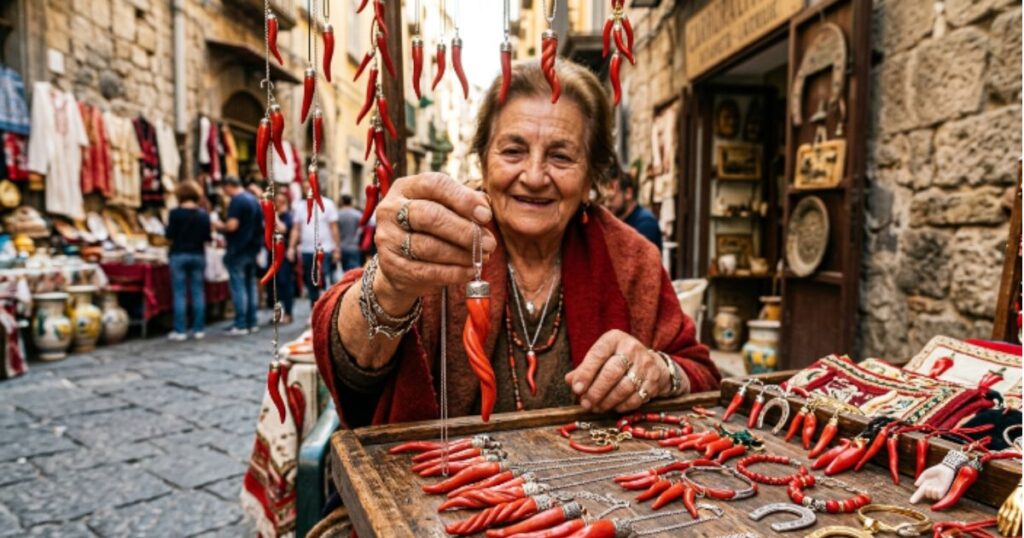
The Italian Horn, also known as the Cornicello or Corno Italiano, is a curved horn-shaped charm that has been part of Italian traditions for hundreds of years. The word Cornicello means “little horn” in Italian. While many people think it looks like a pepper, others believe it resembles an animal horn. Both ideas appear throughout history. The charm has become one of Italy’s most famous symbols because people have long considered it an Italian lucky charm, a Protection amulet, and a Good luck symbol. Families often pass it from one generation to another, turning it into a treasured family heirloom that represents love, safety, and prosperity.
Although the Italian Horn began as a cultural symbol, it has grown into an international fashion icon. Today, you can find it in countless designs ranging from simple pendants to luxury jewelry decorated with precious stones. Many people wear it as meaningful jewelry without necessarily following old customs. Others continue to believe in its spiritual value because they see it as a Protective talisman that offers Negative energy protection and attracts Positive energy. Its lasting popularity proves that a simple symbol can carry powerful meaning across different cultures and generations.
Why Is It Called the Cornicello?
The name Cornicello meaning comes directly from the Italian language, where “corno” means horn and “cornicello” means little horn. This shape has deep roots in Italian history. Some historians connect it to the Bull’s horn symbol, which represented courage, power, and protection in ancient societies. Others believe its curved appearance resembles a Chili pepper charm, another object that people associated with luck and strength. Over time, these ideas blended together and created the famous charm recognized around the world today.
The name Corno Italiano also reflects the object’s close relationship with Italian identity. Throughout history, people in southern Italy proudly wore this symbol during festivals, family celebrations, and everyday life. Even today, many Italian Americans continue this tradition because it reminds them of their family’s roots. Rather than serving as ordinary jewelry, the Italian Horn became a lasting symbol of cultural pride that connects people with their ancestors.
What Makes the Italian Horn Unique?
Several qualities make the Italian Horn different from other lucky charms. Unlike many decorative pendants, this symbol combines history, art, and tradition in one simple design. Its elegant curved shape has remained almost unchanged for centuries, making it instantly recognizable. Craftsmen have created the horn from coral, gold, silver, wood, and even ivory throughout history. Modern jewelers now use diamonds and colorful gemstones to create beautiful new versions while preserving its original appearance.
Another reason the Italian Horn stands out is its remarkable ability to bridge tradition with fashion. Some people choose it because of its deep cultural significance, while others simply enjoy its timeless style. It works equally well as Traditional Italian jewelry and modern Italian fashion jewelry. Whether someone prefers a classic Coral Italian horn, a polished Gold Italian horn, or an elegant Silver Italian horn, each piece continues to represent hope, protection, and personal identity.
| Feature | Italian Horn (Cornicello) |
| Origin | Italy, especially Southern Italy |
| Traditional Purpose | Protection amulet and Good luck symbol |
| Common Shapes | Horn or Chili pepper charm |
| Popular Materials | Coral, gold, silver, gemstones |
| Modern Use | Jewelry, gifts, fashion accessories |
The History and Origin of the Italian Horn
The history of the Italian Horn reaches back more than two thousand years. Long before Italy became the country we know today, people living in ancient Italy believed certain objects carried protective powers. Archaeologists and historians have linked the horn to early farming communities that depended on healthy crops, strong animals, and safe families. During this period, horns represented life, strength, and abundance. These early ideas eventually shaped what became one of the most recognizable symbols in Roman history. The horn gradually transformed into an Ancient Roman symbol connected with fertility and prosperity, making it a trusted companion for ordinary people.
As time passed, the Italian Horn became deeply connected with Italian folklore and regional customs. Families in southern Italy especially embraced the tradition because they believed the charm could help protect loved ones from unseen dangers. Instead of fading away, the symbol adapted to changing times. Skilled artisans continued producing beautiful versions using different materials, allowing the tradition to survive for centuries. Today, historians view the Italian Horn as one of the strongest examples of how ancient beliefs can continue shaping modern cultural identity.
Ancient Roman and Pre-Roman Beginnings
The earliest history of the Italian Horn begins even before the Roman Empire. Many experts believe its origins come from pre-Roman beliefs, when local communities honored nature and respected the strength of animals. Horns represented survival because they reminded people of powerful bulls that protected their herds. This connection later evolved into the famous Bull’s horn symbol, which became associated with courage, protection, and leadership.
When Rome expanded across Europe, these older customs blended with Roman religious practices. The horn became an Ancient Roman symbol that reflected Symbol of fertility, abundance, and strength. People often carried small horn-shaped objects because they believed these charms offered protection during travel, business, and everyday life. Although society changed dramatically over the centuries, this ancient tradition never completely disappeared.
How the Italian Horn Became a Cultural Tradition
The Italian Horn gained even greater importance during the Middle Ages, particularly around Naples and southern Italy. The region developed its own customs surrounding the charm, creating what many now recognize as the famous Neapolitan tradition. Merchants, sailors, farmers, and families all embraced the horn because they believed it could help them avoid misfortune and attract success. Parents often gave small horns to children as gifts filled with hope and love.
Generation after generation, the Italian Horn became part of weddings, birthdays, religious festivals, and family celebrations. Many homes displayed horns near entrances because people believed they offered protection against bad luck. This practice transformed the horn into more than just an object. It became a living symbol of Italian heritage, family unity, and lasting tradition that continues today among Italian communities across the United States and around the world.
What Does the Italian Horn Mean?
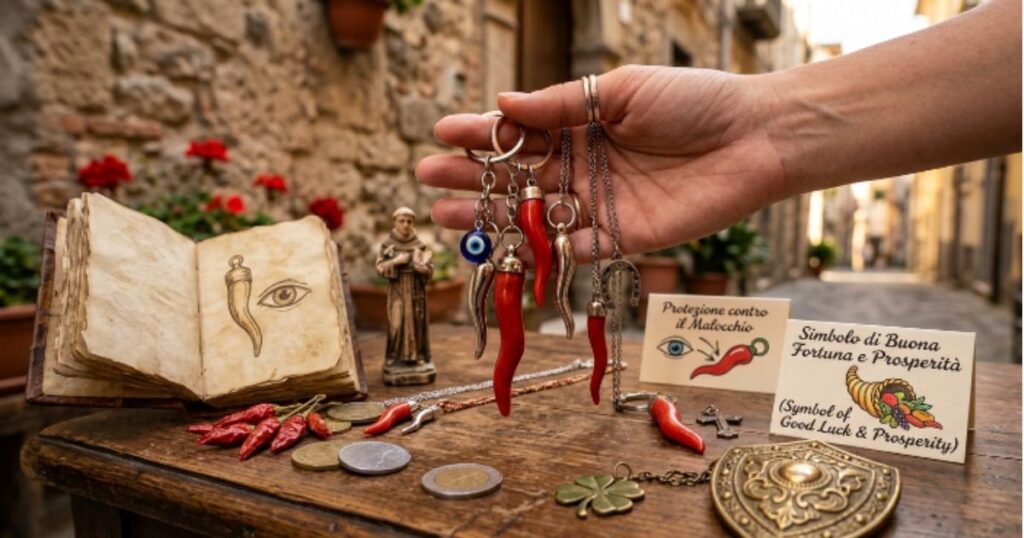
The meaning of the Italian Horn extends far beyond its attractive appearance. At its heart, the horn represents hope, safety, and optimism. Many people see it as a symbol of good luck that helps attract happiness while keeping harmful influences away. Throughout history, families believed the charm could bring good fortune during life’s most important moments, including marriage, childbirth, travel, and business. Because of these beliefs, the horn became one of Italy’s most respected cultural symbols and remains popular today among people of all backgrounds.
Modern wearers often choose the Italian Horn for personal reasons. Some appreciate its beautiful design, while others value its rich history. Many Italian Americans wear it to celebrate their roots and honor family traditions. Even people without Italian ancestry enjoy its universal message of hope and protection. Whether viewed as a lucky charm, a fashion accessory, or a family keepsake, the Italian Horn continues inspiring people through its timeless message of strength and resilience.
A Symbol of Good Luck and Protection
For centuries, people have believed the Italian Horn could ward off the evil eye while providing protection against bad luck. This belief made the charm one of Italy’s most respected protective symbols. Many families gave the horn as a gift before important life events because they hoped it would encourage success, health, and happiness. The charm also became a popular Lucky necklace because it could be worn every day without losing its symbolic meaning.
Many Italians still describe the Italian Horn as a lucky talisman that creates emotional comfort. Whether someone believes in its supernatural power or simply values family traditions, wearing the horn often serves as a daily reminder to stay positive and confident. This combination of faith, culture, and optimism explains why the charm remains meaningful after so many centuries.
Symbolism Behind Its Shape and Color
The curved shape of the Italian Horn carries several layers of meaning. Some people connect it with the Bull’s horn symbol, which represents courage, protection, and Symbol of strength. Others compare it to a Chili pepper charm, which many Mediterranean cultures associate with vitality and good fortune. These different interpretations share one common theme. They all celebrate life, hope, and protection.
Color also plays an important role. The classic Red Italian horn is perhaps the most famous because red traditionally represents life, passion, and strength. The Coral Italian horn became especially valuable because natural coral was once believed to provide extra spiritual protection. Today, people also choose a Diamond Italian horn, Gold Italian horn, or Silver Italian horn depending on personal style and budget. Although materials have changed, the message remains the same. The Italian Horn continues to represent optimism, protection, and lasting cultural pride.
The Italian Horn and the Evil Eye (Malocchio)
The connection between the Italian Horn and the Malocchio is one of the oldest and most fascinating parts of Italian tradition. For centuries, many families believed that envy, jealousy, and negative thoughts could affect a person’s health, happiness, or success. This belief became known as the Italian superstition of the Malocchio, or the Evil Eye. Although modern science does not support this idea, millions of people still value the tradition because it reflects generations of family beliefs and cultural customs. The Italian Horn became a trusted Protection amulet because people believed it could block harmful energy and encourage peace, confidence, and good fortune.
Even today, the Italian Horn remains closely connected with Evil Eye protection. Many people wear it as a personal reminder to stay positive and avoid unnecessary fear. Others see it as a meaningful symbol that honors their grandparents and family history. Whether someone believes in its spiritual power or simply respects its place in Italian culture, the horn continues to represent hope in difficult times. Its enduring popularity shows how traditions can survive while adapting to modern life.
What Is the Malocchio?
The word Malocchio literally means “bad eye” in Italian. According to Italian folklore, it describes harmful energy caused by envy, jealousy, or ill intentions. In old villages across southern Italy, people believed that even an unkind glance could bring misfortune. Illness, poor harvests, financial problems, or unexpected accidents were sometimes linked to the Evil Eye. These ideas formed part of everyday life and became deeply rooted in local customs.
Many historians believe this tradition dates back thousands of years and shares similarities with beliefs found throughout the Mediterranean region. Although every community had slightly different customs, the main idea stayed the same. People wanted to protect themselves from unseen negativity. This explains why the Italian Horn became such an important traditional Italian amulet. It symbolized hope during uncertain times and reminded families to focus on kindness rather than jealousy.
How the Italian Horn Protects Against the Evil Eye
Traditionally, people believed the curved shape of the Italian Horn could ward off the evil eye by redirecting harmful energy away from the wearer. Parents often gave the charm to children, sailors carried it during long voyages, and merchants wore it while doing business. The horn served as a visible reminder that positive thoughts and strong family bonds were more powerful than fear.
Today, many people continue wearing the Italian Horn for emotional comfort rather than superstition. They see it as a protective charm, a source of confidence, and a celebration of their ancestry. Others simply admire its beautiful design and appreciate its cultural significance. Regardless of personal beliefs, the horn remains one of the world’s most recognized symbols of protection and optimism.
| Belief | Traditional Meaning |
| Malocchio | Negative energy caused by envy or jealousy |
| Italian Horn | Protection amulet against bad luck |
| Wearing the Horn | Symbol of hope, safety, and positivity |
| Modern View | Cultural tradition and stylish jewelry |
Who Wears the Italian Horn Today?
The Italian Horn has traveled far beyond Italy’s borders. Today, people across the United States, Canada, Australia, and many European countries proudly wear it. Italian Americans often choose the charm because it reminds them of family traditions and their ancestors’ journey to a new country. Others wear it because they admire its elegant appearance and appreciate its rich history. The charm has become a wonderful example of how cultural traditions can unite people from different backgrounds.
Another reason for its growing popularity is its versatility. The Italian Horn no longer belongs to one generation or one community. Young adults wear it with casual clothing while professionals pair it with business attire. Jewelry designers have also introduced fresh styles that appeal to modern tastes without losing the charm’s original meaning. As a result, the Italian Horn continues to thrive as both a cultural treasure and a fashionable accessory.
From Family Tradition to Everyday Fashion
Many Italian families still give the Italian Horn during birthdays, weddings, graduations, and holidays. These gifts carry emotional value because they represent love, protection, and encouragement. Receiving an Italian pendant from a grandparent often feels more meaningful than receiving an ordinary piece of jewelry. Over time, many of these charms become treasured heritage jewelry that families proudly pass from one generation to the next.
The tradition has also become part of everyday life. Some people wear the horn every day because it reminds them of home and family values. Others choose it as an everyday accessory that matches almost any outfit. This ability to combine deep meaning with simple elegance explains why the Italian Horn remains popular across different age groups.
Why the Italian Horn Appeals to Modern Wearers
Fashion trends continue to change, yet the Italian Horn has never lost its appeal. Modern designers now create pieces that suit many personal styles, from minimalist pendants to bold statement necklaces. Social media has also introduced the charm to younger audiences who appreciate jewelry with a meaningful story. Instead of wearing accessories only for appearance, many people now look for items that reflect personal values and cultural identity.
Another reason for its popularity is its flexibility. The Italian Horn works well as unisex jewelry, making it suitable for both men and women. Some wear it alone while others combine it with layered necklaces for a fashionable look. This perfect balance between history and style has helped the charm become one of today’s most admired pieces of Italian accessories.
Italian Horn Jewelry: Popular Styles and Materials

The beauty of the Italian Horn lies in its ability to suit every taste and budget. Some people prefer simple, polished designs while others choose luxurious versions decorated with diamonds and colorful gemstones. Skilled jewelers continue to create stunning pieces that respect traditional craftsmanship while embracing modern design. This balance between old and new has helped the Italian Horn remain one of the most recognizable forms of Traditional Italian jewelry in the world.
Today’s collections offer endless possibilities. Whether you want a simple pendant for daily wear or a luxury necklace for special occasions, you can easily find a style that reflects your personality. Many buyers also appreciate that these pieces combine lasting beauty with rich symbolism. Instead of following temporary fashion trends, they invest in jewelry that tells a meaningful story and celebrates Italian craftsmanship.
Most Popular Italian Horn Jewelry Designs
The most common design is the classic Italian pendant, which hangs from a delicate chain and works well with almost any outfit. Many people also enjoy bracelets, earrings, rings, and keychains featuring the famous horn. These pieces allow wearers to express their personal style while carrying a symbol they value. Some families even display decorative horns inside their homes because they believe the symbol creates a welcoming atmosphere.
Modern jewelers have expanded traditional designs by introducing elegant gemstone necklace collections featuring a ruby Italian horn, emerald Italian horn, or sapphire Italian horn. These colorful variations preserve the original shape while adding a contemporary touch. As a result, the Italian Horn continues appealing to both traditional collectors and younger fashion lovers.
Gold, Silver, Coral, and Modern Materials
For centuries, artisans crafted the Italian Horn from natural coral because many believed it offered additional protection. Today, the Coral Italian horn remains highly valued for its historical importance and vibrant color. Gold also became a favorite choice because it symbolizes wealth, beauty, and long-lasting quality. Many buyers choose 14K gold or 18K gold pieces because they combine elegance with durability.
Those seeking a more affordable option often select sterling silver, creating beautiful Silver Italian horn designs that suit everyday wear. Luxury collections may include a sparkling Diamond Italian horn crafted with high-quality precious metals and fine gemstones. Whether someone chooses a gold necklace, silver necklace, or a handcrafted coral pendant, every piece reflects centuries of artistic tradition and timeless beauty.
| Material | Why People Choose It |
| Gold Italian horn | Luxury, durability, classic beauty |
| Silver Italian horn | Affordable, elegant, everyday wear |
| Coral Italian horn | Traditional appearance and history |
| Diamond Italian horn | Premium style and brilliance |
| Gemstone Designs | Colorful and unique fashion choice |
How to Wear an Italian Horn Necklace
The Italian Horn has remained popular because it blends history with everyday style. You don’t need a special occasion to wear it. Many people choose this famous Lucky necklace because it matches almost every outfit while carrying a deeper meaning. Some wear it to celebrate their Italian heritage, while others appreciate its elegant design and symbolic value. No matter your reason, the Italian Horn fits naturally into both casual and formal wardrobes. Its simple shape never goes out of fashion, making it a piece you can enjoy for many years.
Modern fashion has also given the Italian Horn a fresh identity. Designers now create styles that appeal to every age group. Some people wear a small pendant close to the heart, while others prefer larger statement pieces that stand out. Whether your style is classic or modern, this famous charm works beautifully as symbolic jewelry that tells a meaningful story without saying a word.
Traditional Ways to Wear an Italian Horn
Traditionally, many Italian families believed the Italian Horn should be worn for protection and kept close to the heart. Parents often gifted it to children, especially during important life events such as birthdays, graduations, weddings, or the birth of a baby. The charm served as a reminder of love, hope, and family support. Many households also displayed horn-shaped ornaments above doors or inside living spaces because they believed they encouraged Positive energy and helped ward off the evil eye.
The Italian Horn also played an important role during celebrations. Family members proudly wore it during festivals, religious gatherings, and cultural events to honor their ancestry. Although customs vary from family to family, the central idea remains the same. The horn represents protection, encouragement, and the strength of family traditions that continue across generations.
Modern Styling Tips
Today’s jewelry lovers enjoy wearing the Italian Horn in many creative ways. A simple pendant pairs beautifully with casual clothing, making it an excellent everyday accessory. Others combine it with layered necklaces to create a fashionable look that feels both elegant and personal. Because the horn comes in different sizes and materials, it works equally well with jeans, business attire, or formal evening wear.
Many stylists recommend matching the metal of your Italian Horn with other jewelry for a balanced appearance. A gold necklace pairs naturally with gold earrings or bracelets, while a silver necklace creates a clean and modern look. These simple styling tips help you enjoy your jewelry without losing its traditional charm. Whether you choose a minimalist design or a bold statement piece, the Italian Horn remains one of the most versatile examples of modern jewelry trends.
How to Choose and Care for an Italian Horn
Choosing the right Italian Horn depends on your personal style, budget, and the meaning you want the piece to carry. Some people prefer traditional designs because they closely reflect centuries of Italian traditions, while others enjoy modern interpretations featuring diamonds or colorful gemstones. Before making your choice, think about how often you plan to wear the necklace and whether you want it for daily use or special occasions. A well-made piece can last for decades and even become a treasured family heirloom.
Taking proper care of your jewelry is equally important. Even the highest-quality materials need regular maintenance to preserve their shine. Good jewelry care not only protects your investment but also keeps the charm looking beautiful for years. With a few simple habits, your Italian Horn can remain in excellent condition and continue telling its remarkable story.
Choosing the Right Italian Horn
Start by selecting a material that fits both your lifestyle and your budget. Many buyers choose Gold Italian horn designs crafted from 14K gold or 18K gold because they combine lasting beauty with excellent durability. Others prefer Silver Italian horn pieces made from sterling silver, which offer timeless style at a more affordable price. If you love traditional designs, a Coral Italian horn reflects centuries of Mediterranean craftsmanship and cultural history.
You should also pay attention to quality. Look for authentic Italian jewelry created by skilled artisans who value detail and craftsmanship. A carefully made handcrafted pendant often features smoother lines, stronger finishes, and better durability than mass-produced alternatives. Choosing quality ensures your necklace remains beautiful for many years and becomes a meaningful part of your personal collection.
Cleaning and Maintenance Tips
Proper jewelry care helps preserve the beauty of every Italian Horn. Wipe your necklace gently with a soft cloth after wearing it to remove natural oils and dust. Store it separately inside a fabric pouch or jewelry box to prevent scratches. If your necklace contains gemstones or delicate coral, avoid exposing it to harsh chemicals, perfumes, or chlorinated water because these substances may damage the surface over time.
Professional cleaning once or twice each year can also help maintain your jewelry’s brilliance. A trusted jeweler can inspect the chain, clasp, and setting to ensure everything remains secure. By following these simple habits, your Italian Horn will continue looking elegant while preserving its sentimental value for future generations.
| Buying Tip | Recommendation |
| Best for Luxury | 14K gold, 18K gold, Diamond Italian horn |
| Best for Everyday Wear | Sterling silver, simple pendant |
| Most Traditional | Coral Italian horn |
| Best Long-Term Value | Authentic Italian jewelry made by skilled artisans |
| Care Advice | Regular cleaning and safe storage |
Common Myths and Interesting Facts About the Italian Horn
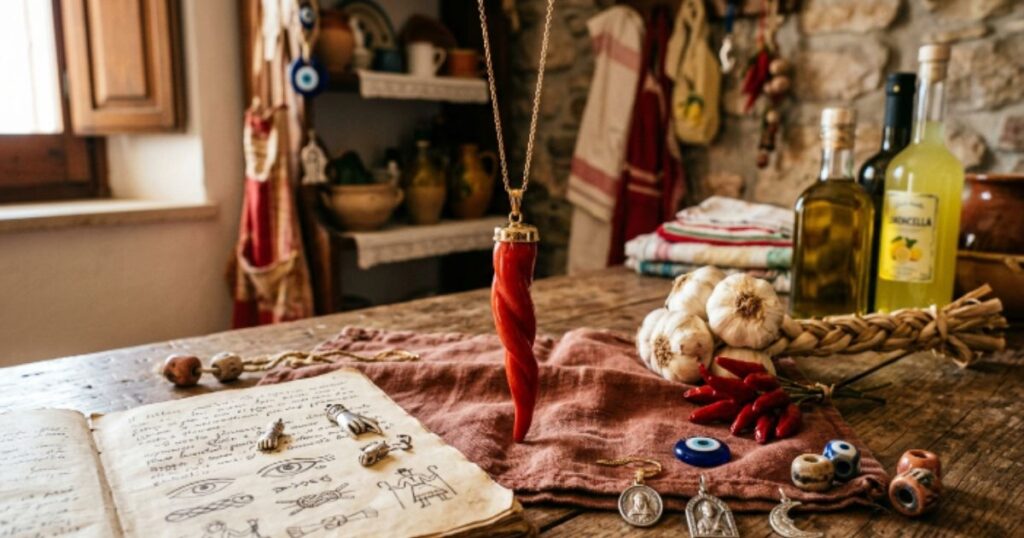
The Italian Horn has inspired countless stories over the centuries. Some people believe every legend surrounding the charm, while others simply enjoy its rich history. As the symbol spread beyond Italy, many misunderstandings also appeared. Learning the difference between fact and myth helps you better appreciate its true meaning and cultural significance. The horn is not simply an old superstition. It represents history, identity, craftsmanship, and the enduring values of family and hope.
One reason the Italian Horn continues attracting attention is its remarkable journey through time. Few cultural symbols have remained popular for such a long period while adapting to modern fashion. From ancient villages to today’s jewelry stores, this famous charm continues connecting people with their heritage and reminding them that traditions can remain meaningful even in a rapidly changing world.
Popular Myths About the Italian Horn
One common myth is that only Italians can wear the Italian Horn. In reality, anyone can wear it with respect and appreciation for its history. Many people around the world choose the charm because they admire its symbolism and elegant design. Another misconception is that the horn belongs to a specific religion. Although many families include it in personal traditions, the Italian Horn is primarily a cultural symbol rather than a religious object.
Some also believe the charm has magical powers that guarantee success. Historically, however, the horn has always represented hope rather than certainty. It serves as a reminder to remain optimistic, work hard, and believe in positive outcomes. Whether someone views it as a lucky object or simply beautiful jewelry, its value comes from the meaning people attach to it.
Fascinating Facts You May Not Know
One fascinating fact is that the Italian Horn has survived for thousands of years without changing its basic shape. While many ancient symbols disappeared over time, this remarkable design continues thriving in both traditional and modern jewelry collections. Its popularity demonstrates the lasting influence of Italian craftsmanship and the enduring appeal of cultural traditions.
Another interesting fact is the wide variety of materials now used to create the horn. Early versions often featured natural coral or carved bone. Today, artisans produce stunning designs using gold, silver, diamonds, and colorful gemstones. These modern creations allow people to celebrate the Italian Horn in ways that suit every personality and budget while preserving one of the world’s most recognizable examples of heritage jewelry.
Conclusion
The Italian Horn has remained one of the world’s most recognizable cultural symbols because it beautifully combines history, tradition, and style. From its beginnings in Roman history and pre-Roman beliefs to its place in modern fashion, the horn has inspired generations with its message of hope, courage, and protection. Whether you know it as the Cornicello, Corno Italiano, or simply the Italian lucky horn, its story reflects the strength of family traditions and the lasting influence of Italian heritage.
Today, the Italian Horn continues to connect people across generations and cultures. Some wear it as a stylish necklace. Others treasure it as a family heirloom, a thoughtful gift idea, or a reminder of their roots. Whatever your reason for choosing this remarkable symbol, its legacy remains unchanged. The Italian Horn continues to represent optimism, resilience, and the enduring beauty of Italian traditions, making it far more than a simple piece of jewelry. It is a timeless expression of history, identity, and hope.
FAQs About Italian Horn
What does wearing an Italian horn mean?
Wearing an Italian Horn symbolizes good luck, protection, strength, and prosperity. Many people also wear it to honor their Italian heritage or as a meaningful fashion accessory.
Is it okay to buy yourself an Italian horn?
Yes, it’s perfectly okay to buy yourself an Italian Horn. While some traditions encourage receiving it as a gift, many people purchase one for personal meaning or style.
What is the Italian horn called?
The Italian horn is commonly called the Cornicello or Corno Italiano, which means “little horn” in Italian.
Does the Italian horn have to be gifted?
No, it doesn’t have to be gifted. Although some families believe a gifted horn brings extra sentimental value, buying one for yourself is widely accepted today.
Can a non-Italian wear an Italian horn?
Yes, anyone can wear an Italian Horn. Wearing it respectfully as a symbol of good luck, protection, or appreciation for Italian culture is generally welcomed.
People Read Also: 100+ Long Good Morning Messages for Her to Make Her Feel Loved

My name is M.Adil, I am specialize in creating thoughtful digital content that informs, inspires, and engages readers worldwide. Every piece is written with care and originality.