

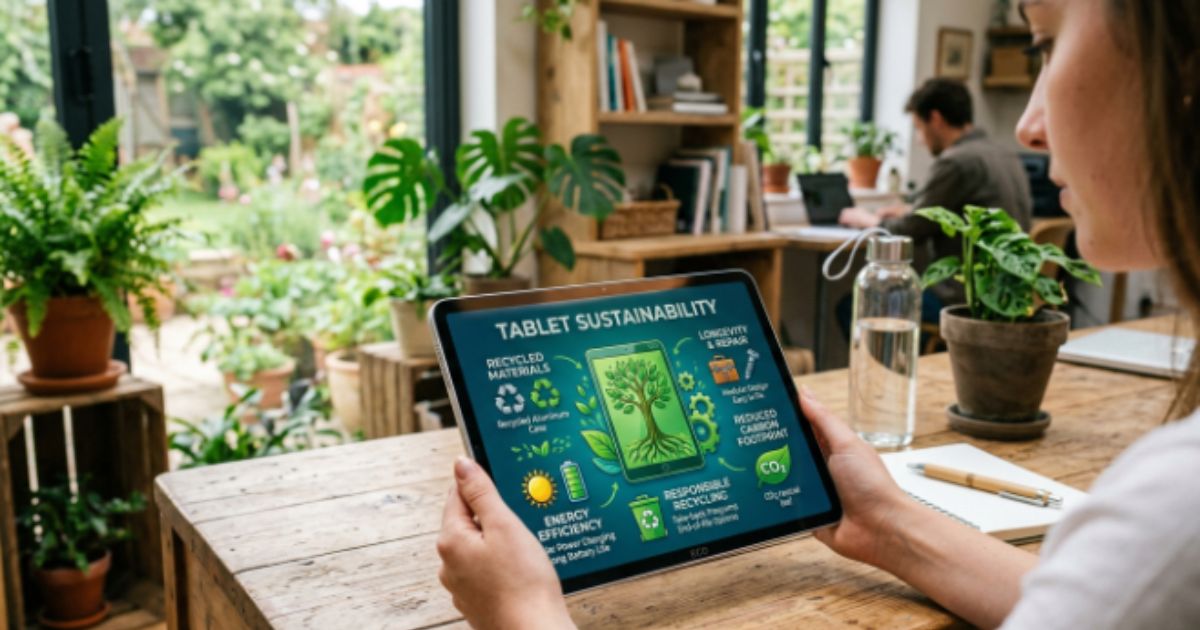
In 2026, Tablet Sustainability is becoming an important part of smarter technology choices. A tablet isn’t truly eco-friendly just because its packaging uses recycled paper. Its impact depends on how it’s made, how much energy it uses, how long it lasts, and what happens when you no longer need it. Choosing durable hardware, longer software support, and better Tablet longevity can reduce unnecessary replacements and E-waste.
Repairable designs also help keep useful devices in service instead of sending them to landfills. Meanwhile, responsible Tablet recycling can recover valuable materials such as aluminum, copper, glass, and other electronic components. By understanding these factors, you can make a more practical, affordable, and environmentally responsible tablet choice.
What Is Tablet Sustainability and Why Does It Matter?
What is tablet sustainability? In simple terms, it means reducing the environmental impact of a tablet throughout its Product lifecycle. That starts before you ever open the box. Manufacturers extract Raw materials, produce components, assemble the device, ship it, and power it during years of use. Eventually, someone must repair, reuse, resell, refurbish, or recycle it. Every stage has an environmental cost. Good Tablet Sustainability looks at that entire journey rather than focusing on one feature such as recycled packaging. It considers Sustainable device design, Hardware durability, Software longevity, Energy efficiency, Repairability, and responsible end-of-life management.
Why does that matter? Because a tablet that stays useful for six years can avoid the need for several replacement devices. That can reduce Raw material extraction, manufacturing demand, transportation, packaging, and Landfill waste. A sustainable approach also supports Responsible electronics and a stronger Sustainable electronics industry. In other words, sustainability isn’t about making technology disappear from your life. It is about making each device work harder and stay useful longer. The U.S. Environmental Protection Agency encourages consumers to reduce, reuse, donate, and recycle used electronics rather than simply sending them to disposal.
What Does Tablet Sustainability Actually Mean?
Tablet Sustainability covers several connected areas. A durable chassis can reduce breakage. Good Software updates can prevent early obsolescence. Long-term software support can keep applications compatible and security protections current. Repairable designs can make Device repair practical rather than expensive. Efficient processors can reduce energy consumption during years of use. Finally, good recycling options can improve Tablet recyclability when the device reaches the end of its useful life.
Why Is Tablet Sustainability Important?
Why is tablet sustainability important? The answer becomes clearer when you look beyond the device itself. Every new tablet requires materials, factories, energy, transportation, and packaging. If people replace tablets too frequently, those environmental costs repeat. Tablet longevity breaks that cycle. The longer you can safely and effectively use a device, the more value you get from the resources already invested in producing it.
The Environmental Impact of Tablets and E-Waste
Tablets may look small, yet they contain a surprisingly complex mix of materials and Electronic components. Modern devices can include Lithium-ion batteries, Lithium, Cobalt, Nickel, Aluminum, Copper, Gold, Rare earth elements, Glass, and Plastic. They also contain Circuit boards, Logic boards, displays, sensors, connectors, and other Internal components. Mining and processing these resources requires energy and creates Manufacturing emissions. The result is a device with a much larger Carbon footprint than its physical size suggests. This doesn’t mean every tablet is automatically harmful. It means the environmental impact of making one makes long-term use especially important.
The biggest sustainability mistake is often premature replacement. When a perfectly functional tablet gets replaced because of a weak battery, limited storage, broken screen, or outdated software, another device must take its place. That raises Resource consumption and increases demand for new manufacturing. At the end of the chain, discarded electronics can contribute to Landfill waste and create risks when batteries or other materials enter inappropriate waste streams. EPA guidance specifically warns that devices containing lithium-ion batteries should not go into household garbage or ordinary recycling bins because damaged batteries can create fire risks.
How Tablets Contribute to E-Waste
How tablets contribute to e-waste depends heavily on how long people keep them and what happens afterward. A tablet that gets repaired, passed to another user, refurbished, and finally recycled has a very different lifecycle from a tablet that gets abandoned in a drawer and eventually thrown away. The first route supports Device reuse and Waste reduction. The second wastes much of the value locked inside the hardware.
The Materials Inside a Modern Tablet
The environmental story begins with Natural resources. Lithium-ion batteries can contain materials such as Lithium, Cobalt, and Nickel. The housing may use Aluminum or Plastic. The electronics contain Copper, Gold, and other metals. Displays use Glass and complex electronic layers. These materials don’t simply vanish after disposal. Proper Resource recovery can return valuable materials to manufacturing streams and reduce pressure on fresh extraction.
Manufacturing and the Tablet Carbon Footprint
Manufacturing usually deserves special attention in any serious discussion of Environmental impact. Producing raw materials, refining them, manufacturing chips and displays, assembling components, and transporting finished devices all require energy. These steps create Manufacturing emissions before the buyer even turns on the tablet. This is why extending the Tablet lifespan can be so powerful. One durable device used for many years spreads its initial environmental cost across a longer period of productive use.
What Makes a Tablet Truly Sustainable?
What makes a tablet sustainable? No single specification provides the answer. A tablet can use Recycled materials yet have poor durability. Another model can offer excellent performance but receive limited software support. A third device may last physically for years but become difficult to repair. Genuine sustainability comes from the combination of Hardware durability, Device durability, repairability, energy efficiency, software support, responsible materials, and practical end-of-life options.
A useful way to judge a device is to imagine its entire life before buying it. Ask whether the tablet can survive normal use, whether the battery can remain useful, whether software will continue to support your needs, and whether replacement parts are available. Then consider what happens when you no longer need it. This lifecycle approach separates meaningful Green technology from vague marketing language. It also helps you avoid a common trap: choosing the cheapest device today and paying for repeated replacements tomorrow.
Hardware Durability and Sustainable Device Design
Hardware durability directly affects sustainability because physical damage often ends a tablet’s useful life early. Strong frames, protective glass, sealed construction, Rugged construction, Shock resistance, and Dust resistance can help a device survive demanding environments. For field workers, warehouses, schools, healthcare facilities, and outdoor applications, Rugged tablets may make more environmental sense than fragile consumer devices because they can tolerate conditions that would quickly damage ordinary hardware.
Sustainable device design also considers how components fit together. Durable Aluminum alloy construction can provide structural strength while offering a material that has established recycling value. However, the best material depends on the complete design. A material isn’t automatically sustainable simply because it sounds premium. Durability, weight, repair access, manufacturing methods, and end-of-life recovery all matter.
Software Longevity and Long-Term Support
A tablet’s physical body isn’t the only thing that ages. Software longevity can determine whether useful hardware remains useful. Operating system support, Security updates, and application compatibility all affect practical lifespan. A tablet with strong hardware but no meaningful software support may become unsuitable for banking, work, school, or sensitive tasks long before its processor physically fails.
Support periods also vary by platform and model. For example, Microsoft publishes specific servicing periods for individual Windows 11 releases rather than promising one simple support date for every Windows device. Current Windows 11 releases have defined support windows, with Enterprise editions generally receiving longer servicing periods than Home or Pro editions. That distinction matters when evaluating Long-term software support. Always check the exact model and software version instead of assuming that an operating system name guarantees a specific lifespan.
Repairability and Replaceable Components
Repairability gives a tablet another chance when one component fails. A replaceable battery can prevent battery degradation from forcing an otherwise useful device into retirement. Accessible displays, charging components, and other Modular components can also improve the economics of repair. Replaceable batteries and Upgradeable storage can be particularly valuable because they address two common reasons people replace older devices.
Repairability has become a larger part of technology policy as well. For example, European rules that began applying to smartphones and tablets in 2025 introduced requirements around durability, battery performance, spare parts, repair information, and software support for products sold in the EU. U.S. buyers may not receive the same requirements from every manufacturer, which makes it important to compare repair policies before purchasing.
Energy Efficiency and Battery Longevity
Energy efficiency matters throughout years of ownership. Efficient hardware can reduce the electricity required for everyday charging and use. Energy-efficient tablets can therefore have a smaller use-phase footprint, especially when they remain in service for many years. Still, energy consumption should not become the only sustainability measure. A highly efficient tablet that gets replaced every two years may create more overall impact than a slightly less efficient model that remains useful for six years.
Battery longevity is equally important. Battery capacity naturally declines with repeated use, heat exposure, charging patterns, and age. A battery that lasts longer between charges can improve convenience, while a battery that remains replaceable can improve the device’s overall lifespan. These two ideas work together. Good battery performance helps during daily use, while repairable battery design can prevent premature replacement.
Why Tablet Longevity Is Key to Sustainability
Why tablet longevity matters becomes obvious when you consider what happens before a replacement reaches your hands. A new tablet requires new materials, new components, manufacturing energy, packaging, shipping, and eventually its own end-of-life management. If you keep your current tablet for another year instead of replacing it, you avoid those new manufacturing demands for that period. That doesn’t mean you should keep an unsafe or unusable device forever. It means useful hardware deserves a fair chance to keep working.
A longer Tablet lifespan also improves value. Imagine two tablets with similar prices. One lasts three years before becoming impractical. The other remains useful for six years. The second device doesn’t simply win on durability. It spreads its original manufacturing and purchase cost across twice as many years. That is the economic side of Tablet longevity. The environmental side follows the same basic logic because fewer replacement cycles generally mean less new hardware entering the market.
How Long Should a Tablet Last?
There is no universal number for a sustainable tablet lifespan. A simple media tablet may remain useful longer than a device used for demanding professional applications. Battery health, physical condition, software support, storage, RAM, processor capability, and repair options all matter. A tablet that remains secure, functional, and suitable for its owner’s needs can have a meaningful second life even after a newer model appears.
Repairing a Tablet vs. Replacing It
A cracked screen doesn’t automatically mean the whole device has reached the end. The same applies to a worn charging port or degraded battery. Before replacing a tablet, compare the Device repair cost with the price of a suitable replacement. Also consider the environmental value of keeping existing hardware in use. When a repair restores several more years of service, it can support both Waste reduction and better household economics.
How to Extend Tablet Lifespan
How to extend tablet lifespan starts with simple habits. Protect the screen and ports. Keep the device away from extreme heat. Use reputable chargers. Install Software updates and Security updates when the manufacturer provides them. Keep enough free storage for normal operation. If the battery starts showing serious degradation, investigate replacement rather than immediately replacing the entire tablet. Small decisions can add up over years.
Which Tablet Components Can Be Recycled?
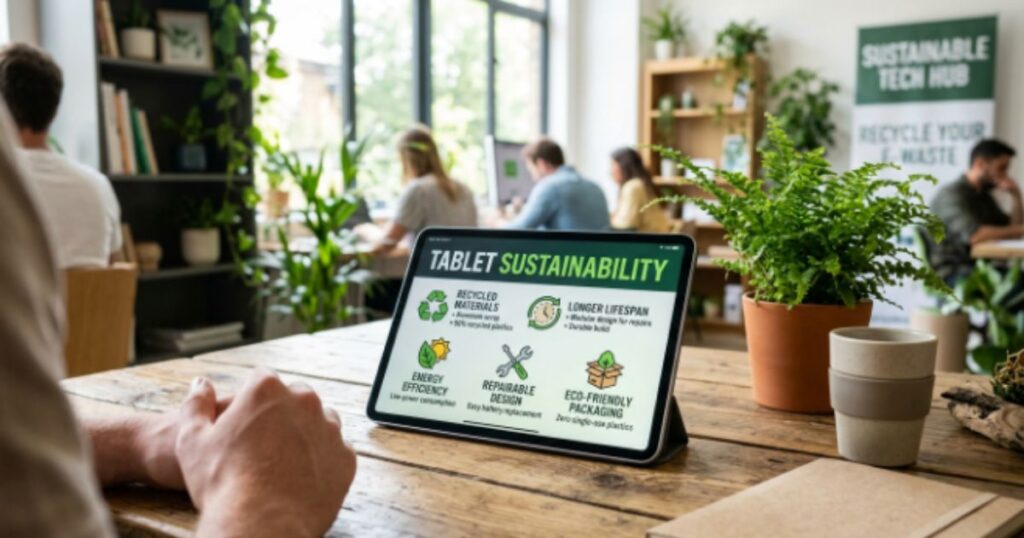
What parts of a tablet can be recycled? The answer includes more than most people expect. A tablet contains metals, plastics, glass, batteries, and electronic assemblies that specialized recyclers can process. The exact recovery rate depends on the tablet’s construction and the recycler’s technology. Tablet recyclability therefore isn’t simply a yes-or-no feature. It depends on how easily materials can be separated, what recycling infrastructure exists, and whether the components have enough value to recover.
A proper Tablet recycling process usually begins with collection and inspection. The device may then go through secure data handling, Device disassembly, and Material separation. Batteries require special attention because of fire risks. Valuable metals can enter Resource recovery streams. Other materials can move through specialized processing. EPA explains that recycling lithium-ion batteries can conserve critical minerals and keep them out of waste systems where they may create fires.
Can Tablet Batteries Be Recycled?
Lithium-ion batteries deserve special treatment. They can contain Lithium, Cobalt, Nickel, and other valuable materials. However, they also contain flammable materials and can become dangerous when damaged or improperly handled. EPA recommends taking lithium-ion batteries and devices containing them to appropriate recycling or household hazardous-waste collection points rather than placing them in household garbage or recycling bins.
Recycling Screens and Electronic Components
Tablet displays can contain multiple layers involving LCD displays, LED displays, Touchscreens, glass, plastics, and electronic materials. The tablet may also contain Cameras, Speakers, Microphones, Sensors, Charging ports, and Connectors. During professional recycling, these Internal components can be separated for appropriate recovery or processing. Not every material will become a new tablet, but responsible processing can still recover useful resources.
Recycling Aluminum, Plastic, and Metals
The outer shell may contain Aluminum or Plastic, depending on the model. Aluminum has established recycling markets, while plastics require sorting and appropriate processing. Copper and Gold in electronic assemblies can also have material value. This is why throwing an old tablet into ordinary waste can mean losing resources that could otherwise re-enter industrial supply chains.
How to Recycle an Old Tablet Responsibly
How to recycle an old tablet starts with data protection, not the recycling bin. Before handing over a device, back up anything important and sign out of accounts. Remove SIM cards and memory cards when applicable. Then use the manufacturer’s recommended reset process to remove personal information. The EPA specifically advises consumers to delete personal information before donating or recycling used electronics.
Next, find an appropriate local or manufacturer-supported option. In the United States, recycling rules and collection options can vary by state and community. EPA points consumers toward manufacturers, retailers, local facilities, and resources such as Earth911 and Call2Recycle for finding suitable options. If the tablet contains a lithium-ion battery, don’t place the device or loose battery in household trash or a standard recycling bin. Responsible disposal protects workers, communities, and the environment.
How to Prepare a Tablet for Recycling
The preparation process is straightforward. Back up files, remove accounts, erase personal information, remove removable cards, and check the recycler’s requirements. Keep accessories separate when the program requests it. If the device has a damaged or swollen battery, don’t attempt risky home repairs. Ask the appropriate recycling or hazardous-waste service how they want the device handled.
Where to Recycle a Tablet in the USA
American recycling options can include manufacturer Take-back programs, retailer collection services, municipal electronics events, specialized recycling centers, and Certified e-waste recyclers. The EPA notes that local and state authorities can have different waste-management approaches. A quick check with your local waste authority can prevent a costly mistake and help you find a legitimate collection point.
Can You Donate or Sell an Old Tablet?
Recycling isn’t always the first step. If a tablet still works well, Device reuse may keep it productive for longer. You might donate it, sell it, trade it in, or give it to another household member. Trade-in programs can also move functional devices into secondary markets. In sustainability terms, keeping an existing product in active use can be more valuable than immediately breaking it down for materials.
How to Buy a Sustainable Tablet in 2026
How to buy a sustainable tablet starts with a change in mindset. Don’t judge the device only by today’s price. Look at the years of useful service you realistically expect. Examine Hardware durability, software support, battery design, repair options, storage, memory, warranty coverage, and recycling policies. A slightly higher upfront price can make sense when it buys substantially longer service. Conversely, an expensive device isn’t automatically sustainable if it has poor repairability or a short practical lifecycle.
A useful comparison should also consider your workload. A student who needs web browsing, reading, video calls, and note-taking doesn’t need the same hardware as a designer, engineer, field technician, or enterprise worker. Buying too little can cause an early replacement. Buying far more than necessary can waste money and resources. The sweet spot is a device with enough performance headroom to remain useful as your needs change.
Check the Tablet’s Expected Lifespan
Look for clear information about durability, warranty terms, replacement parts, battery service, and software support. Don’t rely on vague claims such as “built to last.” Search for measurable information. A manufacturer that explains repair procedures and support timelines gives you more useful evidence than a simple green badge.
Research Software Support
Check how long the exact tablet model receives updates. Operating system support can vary by manufacturer, device family, and software version. Microsoft, for example, publishes separate servicing periods for Windows 11 releases. Android support also varies widely across manufacturers and models. The important point is simple: buy based on the support policy of the actual device, not a general assumption about its operating system.
Consider Repairability and Battery Design
Look for Replaceable batteries, accessible repair options, available spare parts, and practical service channels. Upgradeable storage can also prevent a storage shortage from becoming a replacement trigger. Adequate RAM and SSD storage can provide useful performance headroom for workloads that may grow over time.
Consider Refurbished Tablets
Are refurbished tablets sustainable? They can be. A refurbished device gives existing hardware another opportunity to deliver useful service. Instead of creating demand for an entirely new unit, refurbishment can extend the Product lifecycle through inspection, repair, cleaning, testing, and resale. Quality varies, however. Look for a reputable seller, clear device condition, battery information, return terms, and warranty coverage.
Choose the Right Device for Your Workload
The most sustainable purchase isn’t necessarily the cheapest or most powerful model. It is the model that meets your needs without becoming inadequate too soon. Consider processor performance, RAM, SSD storage, display requirements, battery performance, software compatibility, and physical durability. For demanding environments, Rugged tablets may justify their higher initial price because Device durability can reduce replacement frequency.
Tablet Sustainability for Businesses and Enterprise Use
Enterprise tablet sustainability becomes even more important when an organization manages hundreds or thousands of devices. A consumer can replace one tablet. A company may need to replace 500. That difference changes the economics dramatically. Hardware procurement decisions now affect purchasing costs, IT labor, logistics, security, storage, disposal, and environmental reporting. For organizations pursuing Enterprise sustainability, durable devices can become part of a broader Sustainable IT strategy.
Commercial environments also create different demands. Commercial tablets may operate as meeting-room panels, retail terminals, warehouse interfaces, visitor systems, healthcare displays, or field tools. These environments can produce more wear than casual home use. Longer Long deployment cycles can reduce Device replacement frequency, while Fleet management can help organizations track hardware, apply updates, and redeploy devices. Good Hardware lifecycle management turns sustainability from a vague goal into an operational process.
Sustainable Device Management for Enterprise IT
Enterprise technology teams can improve sustainability by tracking device age, condition, location, software status, and repair history. Centralized device management can help administrators deploy Software updates, manage security, and identify devices that can be repaired instead of replaced. When a department no longer needs a device, another department may be able to use it. That simple transfer supports Device reuse and reduces unnecessary procurement.
Multi-Purpose Enterprise Tablets
A versatile tablet can support multiple workflows. One durable device may serve as a scheduling panel today and a visitor-management terminal tomorrow. Another may move from a retail location to a training room. This flexibility can reduce redundant hardware. When organizations design technology around reuse rather than single-purpose ownership, they support Circular manufacturing principles and make better use of existing assets.
Tablet Sustainability and ESG Goals
Modern sustainability programs increasingly connect technology with ESG goals and Carbon accountability. Procurement teams may evaluate material sourcing, energy use, lifecycle length, repairability, and recycling. Sustainable procurement policies can therefore include questions about warranties, spare parts, software support, refurbishment, and end-of-life handling. ESG technology isn’t limited to large data centers. The everyday devices spread throughout an organization also contribute to its technology footprint.
Tablet Sustainability Comparison: What Should You Look For?
A good Tablet Sustainability comparison should look beyond price and processor speed. Start with the factors that determine how long the device can remain useful. Tablet lifespan, repairability, software support, battery health, durability, energy use, and recycling options can tell you much more about sustainability than packaging alone. A tablet that costs less but lasts half as long may create a larger replacement burden over time.
The table below provides a simple framework for comparing models. It doesn’t declare one brand universally better than another. Instead, it shows which questions matter when you evaluate sustainable technology. Use manufacturer documentation, warranty information, repair policies, and independent testing to fill in the details for the specific models you are considering.
| Sustainability Factor | What to Check | Why It Matters |
| Hardware durability | Materials, drop protection, water and dust resistance | Helps prevent premature replacement |
| Software longevity | Years of updates and security support | Reduces software-driven obsolescence |
| Repairability | Parts, service, repair manuals, battery access | Keeps useful hardware in service |
| Battery longevity | Battery life and replacement options | Reduces battery-driven replacement |
| Energy efficiency | Processor efficiency and charging behavior | Can reduce use-phase energy consumption |
| Recyclable materials | Aluminum, plastics, glass, and recoverable metals | Supports material recovery |
| Warranty | Length and repair coverage | Provides protection against early failure |
| Tablet recyclability | Manufacturer and local recycling options | Supports responsible end-of-life handling |
| Refurbishment | Resale, trade-in, and refurbishment potential | Extends the product lifecycle |
| Expected useful life | Practical years of suitable performance | Helps reduce replacement frequency |
Sustainable Tablet vs. Short-Lifecycle Tablet
A short-lifecycle tablet may look attractive because of its low initial price. Yet the picture changes when you consider repeated purchases. A durable model with stronger support, repair options, and enough performance headroom may remain useful for considerably longer. This doesn’t guarantee a specific lifespan because actual results depend on use, maintenance, and manufacturer support. It does provide a better foundation for Tablet lifecycle and sustainability.
The Future of Tablet Sustainability
The future of Tablet Sustainability will likely focus less on marketing slogans and more on measurable lifecycle performance. Buyers increasingly want evidence about battery durability, repair options, software support, recycled content, and recycling pathways. Manufacturers face growing pressure to design products that stay useful longer. European rules already provide one example of this direction, with requirements covering durability, battery performance, repair access, spare parts, and software updates for smartphones and tablets sold in the EU.
The bigger opportunity lies in building a Circular economy for electronics. Instead of treating a tablet as a product with one straight journey from factory to landfill, a circular system keeps materials and devices useful for as long as possible. A typical pathway can look like this: Design → Manufacture → Use → Repair → Reuse → Refurbish → Recycle → Resource Recovery → New Products. That model supports Sustainable manufacturing, better Tablet recyclability, and smarter use of Natural resources.
More Repairable and Durable Designs
Future devices may place greater emphasis on repair-friendly construction. Better access to replacement parts, stronger battery designs, and clearer service information can make repairs easier. More durable products can also reduce damage-related replacement. Together, these improvements strengthen Sustainable device design and encourage consumers to keep products longer.
Longer Software Support
Longer Software longevity can become just as important as stronger hardware. A durable tablet should not become useless simply because its software stops receiving essential updates. Better support can reduce digital obsolescence and extend practical device life. As security expectations rise, Security updates will remain especially important for businesses, schools, healthcare organizations, and anyone storing sensitive information.
Recycled Materials and Circular Manufacturing
The next stage of Green technology may involve more recycled inputs and better material traceability. Recovering Aluminum, Copper, and other useful materials can reduce reliance on fresh extraction. However, recycling alone cannot solve every environmental problem. The strongest model combines durable design, efficient manufacturing, long use, repair, reuse, and final recycling.
The Growth of Refurbished and Reused Electronics
The refurbished market can play an important role in sustainability. A tablet that no longer meets one user’s needs may still work perfectly for another person. Refurbishment gives that hardware a second productive chapter. For schools, nonprofits, families, and businesses, quality Refurbished tablets can provide useful technology while supporting Device reuse.
Final Thoughts
Tablet Sustainability is ultimately about making better decisions across the entire life of a device. It starts with thoughtful manufacturing and continues through daily use, maintenance, repair, reuse, and recycling. Hardware durability, Software longevity, Battery longevity, Repairability, Energy efficiency, and responsible materials all matter. So does the way you handle End-of-life electronics. There is no single feature that makes a tablet sustainable. The strongest device is one that remains useful, secure, repairable, and valuable for as long as practical.
For consumers, the smartest approach is simple: buy for the years ahead rather than only for today. Ask how long the tablet will receive Long-term software support. Check whether repairs make sense. Consider battery performance and durability. Look for responsible recycling options. If your current device still works, consider repair, donation, resale, or refurbishment before buying something new. For businesses, connect Sustainable procurement, Hardware lifecycle management, Enterprise deployment, and ESG goals so sustainability becomes part of everyday technology decisions. In the end, How sustainable are tablets? The answer depends largely on how they are designed, how long they remain useful, and what happens to them afterward. A tablet that stays in productive use for years isn’t just a smarter purchase. It is a practical step toward Waste reduction, Responsible disposal, and a more sustainable electronics industry.
FAQ’s about Tablet Sustainability
Are tablets eco-friendly?
Tablets can be eco-friendly when they’re durable, energy-efficient, repairable, and used for many years. Responsible recycling also reduces their environmental impact.
What are 5 examples of sustainability?
Five examples include recycling, renewable energy, energy efficiency, sustainable transportation, and reducing waste through reuse and repair.
Are iPads environmentally friendly?
iPads include recycled materials and energy-efficient components, but their environmental impact still depends on manufacturing, lifespan, repairability, and responsible recycling.
Are tablets more eco-friendly than books?
It depends on how they’re used. A tablet used for years to replace many printed books may reduce paper consumption, but manufacturing and disposing of electronics also create environmental impacts.
What are the most environmentally unfriendly products?
Common examples include single-use plastics, disposable electronics, fast fashion, heavily packaged products, and items designed for short-term use and frequent replacement.
People Read Also: MYF Meaning: What Does MYF Mean and How to Use It?

My name is M.Adil, I am specialize in creating thoughtful digital content that informs, inspires, and engages readers worldwide. Every piece is written with care and originality.