

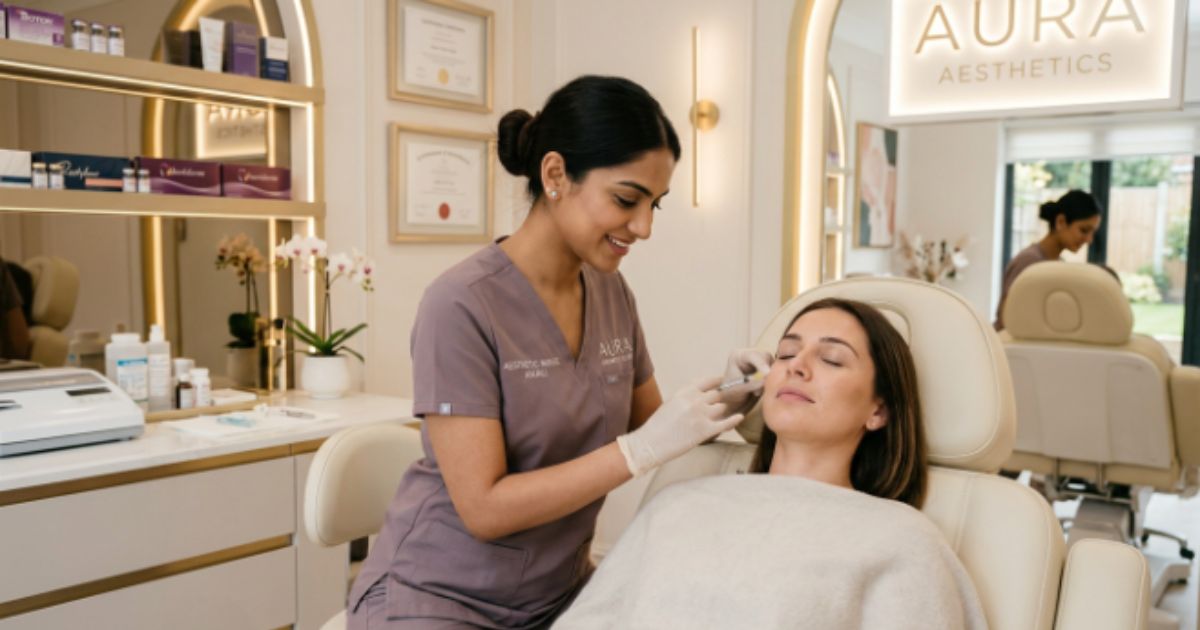
An aesthetic nurse plays a vital role in today’s growing beauty and healthcare industry by combining medical knowledge with artistic skill to help patients look and feel their best. These licensed professionals perform safe non-surgical cosmetic treatments, provide personalized patient consultation, and create customized care plans that deliver natural-looking results. Whether working in a medical spa, dermatology clinic, or cosmetic practice, they use advanced techniques to improve confidence while maintaining high standards of patient care.
If you’re exploring this rewarding profession or considering it as a career, this guide covers everything you need to know about becoming an aesthetic nurse, earning certifications, understanding salary expectations, and building a successful future.
What Is an Aesthetic Nurse?
Definition of an Aesthetic Nurse
An aesthetic nurse, sometimes called a cosmetic nurse or esthetic nurse, is a licensed healthcare professional who specializes in aesthetic medicine and medical aesthetics. These nurses help patients improve their appearance through safe and effective cosmetic procedures while maintaining high medical standards. Unlike traditional nursing roles that focus mainly on treating illness, an aesthetic nurse combines healthcare knowledge with artistic judgment. Every treatment requires precision, careful planning, and a deep understanding of facial anatomy. Patients trust these professionals because they want natural-looking results instead of dramatic changes. That trust makes communication just as important as technical ability. Most employers require candidates to become a registered nurse (RN) by completing an Associate Degree in Nursing (ADN), Associate of Science in Nursing (ASN), or Bachelor of Science in Nursing (BSN) before passing the NCLEX-RN and earning an active RN license. Strong nursing education, recognized nursing credentials, and continuous learning create the foundation for a rewarding aesthetic nursing specialty.
As the beauty industry continues to grow, the role of an aesthetic nurse has become more valuable than ever. These professionals work closely with patients who want subtle improvements instead of surgery. They focus on healthy skin, facial balance, and long-term confidence. Every patient receives a detailed patient assessment before treatment begins. During this process, the nurse reviews medical history, discusses expectations, explains possible contraindications, and develops personalized aesthetic treatment plans. This careful approach improves patient satisfaction while supporting ethical aesthetic practice. Many employers also expect strong medical documentation, excellent infection control habits, and a commitment to continuing education because new products and technologies appear every year.
Aesthetic Nurse vs. Cosmetic Nurse: Is There a Difference?
Many people wonder whether an aesthetic nurse and a cosmetic nurse are different careers. In everyday practice, both titles usually describe the same profession. Some employers prefer the term aesthetic nurse because it highlights medical expertise and patient care. Others use cosmetic nurse because it is familiar to patients. Regardless of the title, both professionals perform injectable treatments, provide cosmetic consultation, educate patients about post-treatment care, and support physicians during aesthetic procedures. Their daily work requires excellent facial anatomy knowledge, careful treatment planning, and outstanding communication skills.
A small difference may appear depending on the workplace. Some clinics use the title cosmetic nurse injector or nurse injector for professionals who mainly perform Botox injections, dermal fillers, and other cosmetic injectables. Others may use medical spa nurse, med spa nurse, plastic surgery nurse, or dermatology nurse to reflect a specific specialty. No matter the title, the goal remains the same. These nurses help patients achieve safe, natural-looking cosmetic enhancement while following medical guidelines and maintaining the highest standards of care.
Types of Treatments Aesthetic Nurses Perform
Modern aesthetic nurses perform a wide range of minimally invasive procedures that improve appearance without major surgery. Popular services include Botox injections, dermal fillers, chemical peels, microneedling, microdermabrasion, laser treatment, laser hair removal, tattoo removal, body contouring, thread lift, and weight loss injections. Many clinics also offer advanced laser therapies, anti-aging treatments, facial rejuvenation, and personalized skincare treatments designed to improve skin health over time. Every procedure begins with careful planning because even small treatments require excellent clinical judgment.
Successful results depend on more than technical ability. An experienced aesthetic nurse studies facial balance, skin quality, and patient goals before recommending treatment. For example, someone who wants smoother skin may benefit from chemical peels, while another patient may need microneedling combined with customized cosmetic skincare. This personalized approach creates better outcomes and helps patients feel confident about their decisions. The growing popularity of non-invasive treatments has also increased demand for professionals with advanced aesthetic medicine training and specialized aesthetic nurse certification.
Why Aesthetic Nursing Is One of the Fastest-Growing Nursing Careers
The demand for aesthetic nurse jobs continues to increase because more Americans are choosing elective cosmetic procedures instead of traditional surgery. Advances in laser technologies, improved advanced injectables, and shorter recovery times have made aesthetic treatments more accessible than ever. Patients no longer need lengthy hospital stays to enhance their appearance. Many procedures take less than an hour and allow people to return to work the same day. This shift has created exciting aesthetic career opportunities across the healthcare and beauty industries.
Another reason for this rapid growth is flexibility. An experienced aesthetic registered nurse can work in private practices, wellness centers, or even open an independent practice where state regulations allow. Many professionals later become an aesthetic nurse practitioner after earning a Master of Science in Nursing (MSN) and completing advanced licensing requirements. This career path offers excellent career advancement, higher earning potential, and greater independence. As demand continues to rise, employers actively seek nurses who combine medical expertise with compassion, creativity, and strong aesthetic nursing skills.
What Does an Aesthetic Nurse Do?
Daily Responsibilities and Patient Care
The daily work of an aesthetic nurse specialist involves much more than performing cosmetic treatments. Every day begins with meeting patients, reviewing health histories, and understanding personal goals. During each patient consultation, the nurse evaluates skin quality, discusses available options, explains realistic expectations, and answers questions. This careful process builds trust before any treatment begins. Throughout the day, nurses also prepare treatment rooms, sterilize equipment, maintain infection control, monitor patient comfort, and complete detailed medical documentation. Every task supports excellent patient safety while ensuring smooth clinic operations.
Communication plays a major role in every appointment. Patients often feel nervous before cosmetic treatments, so nurses explain every step using clear and simple language. They also provide complete patient education before and after each procedure. Whether recommending proper skincare recommendations, explaining recovery timelines, or discussing possible side effects, the goal is to help patients make informed decisions. This combination of clinical knowledge and compassionate care defines outstanding aesthetic nurse responsibilities and creates lasting patient relationships.
Common Cosmetic Procedures Performed
An aesthetic nurse performs many popular treatments that improve appearance without surgery. Common services include Botox injections, dermal fillers, neuromodulators, chemical peels, microneedling, microdermabrasion, laser treatment, laser hair removal, tattoo removal, body contouring, and thread lift procedures. Some clinics also provide liposuction support, weight loss injections, advanced skincare treatments, and customized facial rejuvenation plans. Every procedure requires careful preparation and a strong understanding of anatomy because even small injections demand precision.
The following table highlights some of the most common treatments performed by aesthetic nurses in the United States.
| Treatment | Main Purpose | Recovery Time |
| Botox injections | Reduce wrinkles | Minimal |
| Dermal fillers | Restore facial volume | Minimal |
| Chemical peels | Improve skin texture | A few days |
| Microneedling | Boost collagen production | 1–3 days |
| Laser treatment | Correct pigmentation and scars | Varies |
| Laser hair removal | Permanent hair reduction | Minimal |
| Body contouring | Shape targeted areas | Minimal |
| Tattoo removal | Fade unwanted tattoos | Multiple sessions |
Patient Consultation, Safety, and Aftercare
Every successful cosmetic procedure starts long before treatment begins. During the initial consultation, the nurse completes a detailed skin assessment, reviews medical history, identifies possible contraindications, and discusses treatment goals. This careful evaluation allows the nurse to recommend the safest option while creating realistic expectations. Honest communication helps patients understand both the benefits and limitations of every procedure. It also reduces unnecessary risks and supports better long-term results.
After treatment, the nurse continues caring for the patient through detailed post-treatment care instructions. Patients learn how to protect their skin, avoid complications, and recognize warning signs that require medical attention. Follow-up appointments help monitor healing and maintain results. This ongoing support separates outstanding aesthetic professionals from average providers. Excellent aftercare improves recovery, strengthens patient confidence, and contributes to long-term success in every aesthetic practice.
A Typical Day in the Life of an Aesthetic Nurse
No two days are exactly the same for an aesthetic nurse. One morning may begin with consultations for cosmetic enhancement, followed by several injectable treatments before lunch. The afternoon might include assisting a plastic surgeon, supporting a dermatologist, performing laser therapies, or creating customized aesthetic treatment plans for new patients. Every appointment requires attention to detail because patient goals and medical histories are different.
Many professionals describe this career as both rewarding and creative. Instead of treating illness alone, they help patients feel more confident about their appearance while protecting their health. The combination of science, artistry, and compassionate care makes cosmetic healthcare one of the most exciting areas of modern nursing. As new technologies continue to shape the beauty and wellness industry, the future of aesthetic nurse training, medical aesthetics career growth, and aesthetic nurse demand looks stronger than ever.
How to Become an Aesthetic Nurse (Step-by-Step Guide)
Becoming an aesthetic nurse takes commitment, education, and practical experience. You can’t become a specialist overnight. Like building a house, you need a strong foundation before adding the finishing touches. That foundation starts with quality nursing education, hands-on learning, and a passion for helping people feel confident. If your goal is to build a successful aesthetic nurse career, following the right steps will prepare you for long-term success in the growing world of aesthetic healthcare.
The path may look challenging at first, yet each step builds valuable knowledge and confidence. As you move forward, you’ll gain medical expertise, improve your communication skills, and learn advanced cosmetic techniques. By the time you complete your journey, you’ll have the qualifications employers look for and the skills patients trust.
Step 1: Earn an Accredited Nursing Degree (ADN or BSN)
Every successful aesthetic professional begins with a strong nursing background. The first step is earning a nursing degree through an accredited nursing program. Most students choose either an Associate Degree in Nursing (ADN), an Associate of Science in Nursing (ASN), or a Bachelor of Science in Nursing (BSN). While all three paths can lead to becoming a registered nurse (RN), many employers prefer applicants with a BSN because it provides broader medical knowledge, leadership training, and stronger clinical preparation.
During nursing school, students study anatomy, physiology, pharmacology, patient care, ethics, and emergency response. They also complete supervised clinical rotations in hospitals and healthcare facilities. This early clinical experience teaches future nurses how to assess patients, solve problems under pressure, and communicate effectively with healthcare teams. These skills later become essential in cosmetic nursing because every treatment begins with safe medical decision-making rather than appearance alone.
Step 2: Pass the NCLEX-RN and Become a Licensed Registered Nurse
After graduating, the next milestone is passing the NCLEX-RN examination. This national licensing exam measures whether graduates have the knowledge and judgment needed to practice safely. Passing the exam allows you to obtain your RN license, complete your nursing licensure, and officially begin working as a professional nurse in your state.
State licensing requirements may differ slightly across the United States, yet every nurse must maintain an active license and follow state regulations. Employers expect every candidate to hold valid nursing credentials before entering aesthetic practice. Without an active license, you cannot legally perform medical treatments or continue toward advanced aesthetic nurse certification.
Step 3: Gain Clinical Nursing Experience
Although new graduates can sometimes enter aesthetic clinics, most employers prefer candidates with real-world clinical experience. Working in emergency departments, surgical units, dermatology practices, outpatient centers, or plastic surgery clinics helps nurses strengthen their assessment and decision-making skills before moving into aesthetics.
Daily patient care develops confidence that cannot be learned in a classroom. Nurses become skilled at patient assessment, medication administration, communication, infection control, and complication management. These experiences prepare future aesthetic professionals to recognize medical concerns quickly while maintaining excellent patient safety during cosmetic treatments. Many successful nurses also gain experience working alongside a dermatologist or plastic surgeon, which provides valuable exposure to aesthetic medicine.
Step 4: Complete Specialized Aesthetic Nurse Training
Once you have nursing experience, it’s time to begin specialized aesthetic nurse training. General nursing programs don’t teach advanced cosmetic procedures in depth. Specialized courses focus on facial anatomy knowledge, patient evaluation, treatment planning, and safe injection techniques. They also provide practical instruction in hands-on injector training, giving students confidence before treating patients independently.
Most training programs cover Botox injections, dermal fillers, advanced injectables, laser therapies, chemical peels, microneedling, microdermabrasion, body sculpting, and other minimally invasive cosmetic procedures. Students also learn about cosmetic injector training, proper product selection, emergency response, and managing contraindications. Learning from experienced instructors through injector mentorship helps build both technical ability and clinical judgment.
Step 5: Earn Professional Certifications
Professional certification isn’t always legally required, yet it gives nurses a strong advantage in today’s competitive market. Employers often prefer candidates who demonstrate advanced knowledge through nationally recognized certifications. These credentials show dedication to professional excellence and ongoing learning.
Popular certifications include the Certified Aesthetic Nurse Specialist (CANS), Certified Plastic Surgery Nurse (CPSN), Dermatology Certified Nurse (DNC), and Dermatology Certified Nurse Practitioner (DCNP) for advanced professionals. Many nurses also complete Botox certification, filler certification, and laser certification programs to expand their skills. Earning an aesthetic certification increases credibility, supports career growth, and often leads to higher-paying aesthetic nurse jobs.
Step 6: Apply for Aesthetic Nurse Jobs and Build Your Career
Once your education, training, and certifications are complete, you’re ready to begin your professional journey. Opportunities exist in private cosmetic practices, luxury medical spas, dermatology clinics, plastic surgery centers, wellness clinics, and physician-owned aesthetic facilities. Many nurses begin in entry-level positions before specializing in advanced procedures or leadership roles.
As your experience grows, so do your opportunities. Some professionals become senior injectors, clinic educators, trainers, or practice managers. Others continue their education by earning a Master of Science in Nursing (MSN) to become an aesthetic nurse practitioner with expanded responsibilities. Continuous learning, excellent patient care, and strong technical skills create lasting success in this rapidly growing field.
Step-by-Step Career Path
| Career Step | Goal | Typical Time |
| Earn a nursing degree | Build nursing knowledge | 2–4 years |
| Pass the NCLEX-RN | Become a licensed registered nurse (RN) | After graduation |
| Gain clinical experience | Strengthen patient care skills | 1–2 years |
| Complete aesthetic nurse training | Learn cosmetic procedures | Several weeks to months |
| Earn aesthetic certification | Increase professional credibility | Varies |
| Begin an aesthetic nurse career | Work in aesthetic medicine | Ongoing |
Aesthetic Nurse Education, Certifications & Licensing
Education shapes every successful aesthetic nurse. While advanced cosmetic skills attract attention, strong medical knowledge protects patients and produces safe results. Every treatment requires careful judgment, accurate assessment, and the ability to respond quickly if unexpected complications occur. That is why employers value nurses who continue learning throughout their careers rather than stopping after graduation.
Professional development never truly ends in aesthetic nursing. New products, devices, and treatment methods enter the market every year. Nurses who stay updated through training and certification provide better care, earn greater trust from employers, and create stronger career opportunities for themselves.
Nursing Degrees Required for Aesthetic Nursing
Every career begins with the right education. Future aesthetic professionals usually complete an Associate Degree in Nursing (ADN), an Associate of Science in Nursing (ASN), or a Bachelor of Science in Nursing (BSN) before obtaining an RN license. Although an associate degree meets the minimum requirement in many states, employers increasingly favor BSN graduates because they receive broader clinical preparation and leadership training.
Some nurses continue their education by earning a Master of Science in Nursing (MSN). This advanced degree opens the door to becoming an aesthetic nurse practitioner, leading clinics, educating other nurses, or performing expanded medical responsibilities where state laws allow. Advanced education also supports long-term career advancement and increases earning potential.
Top Certifications for Aesthetic Nurses
Certification proves that a nurse has invested time in mastering advanced aesthetic techniques. While certification requirements vary by employer and state, many clinics prefer professionals who hold recognized credentials because they demonstrate competence and dedication.
The most respected credentials include the Certified Aesthetic Nurse Specialist (CANS), Certified Plastic Surgery Nurse (CPSN), Dermatology Certified Nurse (DNC), and Dermatology Certified Nurse Practitioner (DCNP). Additional programs offering Botox certification, filler certification, laser certification, and specialized injectables training help nurses perform cosmetic procedures with greater confidence and precision.
| Certification | Primary Focus | Career Benefit |
| Certified Aesthetic Nurse Specialist (CANS) | Medical aesthetics | Highly respected credential |
| Certified Plastic Surgery Nurse (CPSN) | Surgical patient care | Plastic surgery specialization |
| Dermatology Certified Nurse (DNC) | Skin conditions | Dermatology expertise |
| Dermatology Certified Nurse Practitioner (DCNP) | Advanced dermatology practice | Expanded clinical role |
| Botox certification | Cosmetic injectables | Injection expertise |
| Laser certification | Laser procedures | Broader treatment options |
State Licensing Requirements in the U.S.
Licensing requirements differ from one state to another, yet every aesthetic nurse must maintain an active RN license and comply with state nursing regulations. Some states require direct physician supervision for certain cosmetic procedures, while others allow greater independence depending on training and experience. Before accepting a position, nurses should always review local laws governing cosmetic practice.
Understanding legal considerations in aesthetic nursing is just as important as mastering injection techniques. State regulations determine which treatments nurses may perform, what level of supervision is required, and which certifications employers expect. Staying informed protects both patients and professionals while supporting an ethical and successful career.
Continuing Education and Certification Renewal
Healthcare changes quickly, and aesthetic medicine evolves even faster. New injectables, devices, and treatment methods appear every year. For that reason, experienced nurses participate in continuing education throughout their careers. Regular training improves confidence, sharpens technical skills, and keeps patient care aligned with current medical standards.
Many certifications require periodic renewal through additional coursework, examinations, or practical training. Attending workshops, conferences, and advanced clinical programs allows nurses to expand their expertise while staying competitive in the growing medical aesthetics career field. Lifelong learning remains one of the strongest investments any aesthetic professional can make.
Essential Skills Every Aesthetic Nurse Needs
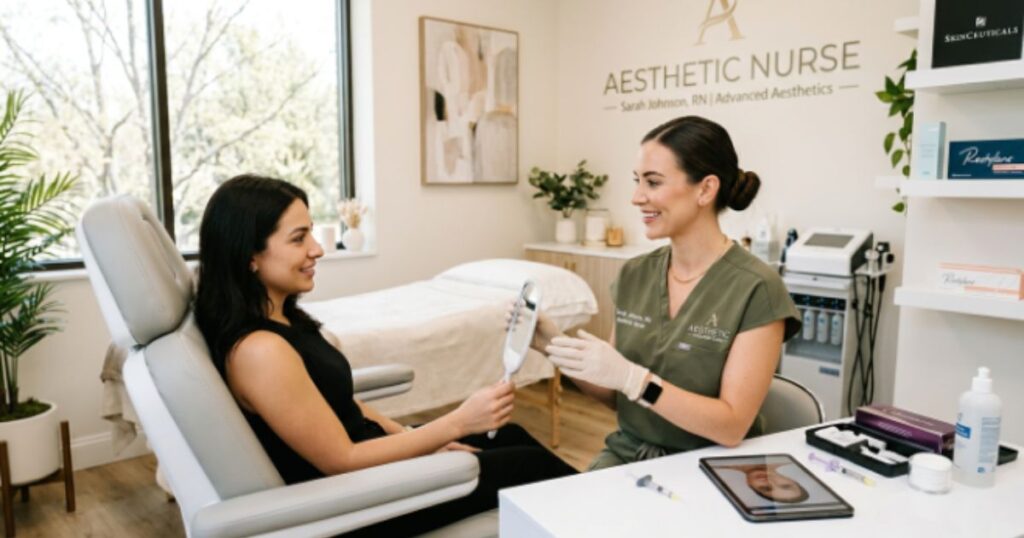
Success as an aesthetic nurse depends on much more than learning how to perform cosmetic treatments. Patients trust you with their appearance, health, and confidence. That trust is earned through knowledge, precision, and excellent communication. A great nurse understands that every face is different. The best treatment for one patient may not be the right choice for another. That is why every procedure starts with careful planning instead of rushing into treatment. Strong technical ability combined with compassion creates outstanding results and helps build a successful aesthetic nurse career.
Today’s aesthetic healthcare industry is highly competitive. Employers look for professionals who can deliver safe treatments while creating an excellent patient experience. Clinics want nurses who stay updated with new technologies, continue learning, and communicate clearly with patients. Whether you work as a medical spa nurse, plastic surgery nurse, dermatology nurse, or cosmetic nurse injector, developing these skills will help you stand out and build long-term success.
Clinical and Technical Skills
Every aesthetic nurse must master clinical skills before performing cosmetic procedures. Strong facial anatomy knowledge helps nurses understand muscles, nerves, blood vessels, and skin layers before giving Botox injections, dermal fillers, or other injectable treatments. Even a small mistake can affect results, so precision matters in every procedure. Nurses also need excellent skin assessment skills because healthy treatment plans begin with understanding each patient’s skin condition and medical history.
Technical ability continues to grow through hands-on injector training, injector mentorship, and regular aesthetic medicine training. Experienced nurses learn how to perform laser treatment, laser therapies, chemical peels, microneedling, microdermabrasion, body contouring, thread lift, laser hair removal, tattoo removal, and other minimally invasive procedures safely. As technology evolves, learning never stops. Continuous improvement keeps patients safe while expanding career opportunities.
Communication and Patient Relationship Skills
Excellent communication separates an average nurse from an exceptional one. During every patient consultation, nurses explain available treatment options, discuss expected results, answer questions honestly, and create realistic expectations. Patients appreciate professionals who listen carefully instead of simply recommending treatments. This personal approach builds trust and creates long-term relationships.
Strong communication also improves patient education before and after treatment. Nurses explain proper post-treatment care, provide detailed skincare recommendations, discuss possible side effects, and encourage patients to contact the clinic if concerns arise. When patients feel informed and supported, patient satisfaction naturally increases. Many successful aesthetic practices grow because happy patients recommend trusted nurses to family and friends.
Knowledge of Facial Anatomy and Skin Health
Every successful treatment depends on understanding the human face. A nurse who studies facial anatomy knows where muscles move, how blood vessels travel, and which areas require extra caution. This knowledge reduces risks while improving natural-looking results. Whether performing cosmetic injectables, advanced injectables, or facial rejuvenation, detailed anatomical knowledge protects both appearance and health.
Understanding skin health is equally important. Patients often seek help for wrinkles, acne scars, uneven pigmentation, sun damage, or aging skin. An experienced nurse knows when chemical peels, microneedling, laser therapies, or customized cosmetic skincare plans will provide the best results. This medical knowledge allows nurses to recommend personalized aesthetic treatment plans instead of one-size-fits-all solutions.
Attention to Detail, Ethics, and Safety Standards
Attention to detail can make the difference between an excellent result and an unhappy patient. Every treatment requires accurate measurements, careful product selection, detailed medical documentation, and close monitoring throughout the procedure. Experienced nurses also recognize contraindications, respond quickly during complication management, and follow strict infection control practices to maintain the highest level of patient safety.
Professional ethics are just as important as technical skill. Responsible nurses never recommend unnecessary treatments simply to increase sales. Instead, they focus on ethical aesthetic practice by recommending procedures that genuinely benefit the patient. Honest advice builds trust, protects professional reputation, and strengthens long-term success in the growing beauty and wellness industry.
Essential Skills Every Aesthetic Nurse Should Develop
| Skill | Why It Matters |
| Patient assessment | Creates safe treatment plans |
| Facial anatomy knowledge | Improves injection accuracy |
| Communication | Builds patient trust |
| Skin assessment | Identifies the right treatment |
| Medical documentation | Maintains accurate patient records |
| Complication management | Protects patient health |
| Patient education | Improves recovery and results |
| Infection control | Prevents medical complications |
| Treatment planning | Delivers personalized care |
| Professionalism | Supports long-term career growth |
Aesthetic Nurse Salary, Job Outlook & Career Growth
One of the biggest reasons nurses choose aesthetic nursing is the opportunity to earn an excellent income while enjoying a better work-life balance. The industry continues to expand because millions of Americans choose non-surgical cosmetic treatments every year. As demand grows, employers actively search for qualified professionals with advanced skills and recognized certifications. This creates exciting opportunities for nurses who want to build a rewarding career outside traditional hospital settings.
Although salary is important, career satisfaction often comes from helping people feel more confident. Many aesthetic nurses enjoy working in calm, modern clinics where appointments are planned instead of rushed emergency situations. This environment allows nurses to spend more time with patients while building lasting professional relationships.
Average Aesthetic Nurse Salary in the United States (2026)
The average aesthetic nurse salary in the United States continues to rise as demand increases. Most registered nurses entering aesthetic practice earn competitive salaries that often exceed traditional nursing roles after gaining experience and specialized certifications. Income varies depending on education, location, employer, and years of experience.
Experienced professionals who hold advanced certifications or work in high-end cosmetic clinics often earn significantly more. Nurses who become an aesthetic nurse practitioner after completing a Master of Science in Nursing (MSN) generally enjoy even higher earning potential because they can perform expanded clinical responsibilities where permitted by state law.
Estimated Aesthetic Nurse Salary in 2026
| Experience Level | Estimated Annual Salary |
| Entry-Level | $75,000–$90,000 |
| Mid-Level | $90,000–$115,000 |
| Senior Aesthetic Nurse | $115,000–$140,000+ |
| Aesthetic nurse practitioner | $130,000–$170,000+ |
Actual salaries vary by employer, certifications, and location.
Factors That Influence Salary
Several factors determine how much an aesthetic nurse earns. Education is one of the biggest influences. Nurses with a Bachelor of Science in Nursing (BSN) or Master of Science in Nursing (MSN) often qualify for higher-paying positions. Additional aesthetic certification, Botox certification, laser certification, and filler certification can also increase earning potential because employers value specialized expertise.
Location also plays a major role. Nurses working in large metropolitan areas or luxury cosmetic practices often earn more than those in smaller communities. Experience, reputation, advanced aesthetic nursing skills, and the ability to perform a wide range of procedures also contribute to higher aesthetic nurse income. Many clinics reward skilled professionals who consistently deliver excellent patient outcomes.
Highest-Paying States and Cities
States with strong cosmetic industries generally offer the highest salaries for aesthetic nurses. California, New York, Florida, Texas, Washington, and Massachusetts continue to provide outstanding employment opportunities because demand for medical aesthetics remains high. Large cities with thriving cosmetic markets often pay premium salaries to experienced professionals.
However, salary should never be the only factor when choosing a job. Cost of living, career growth, workplace culture, and access to ongoing training are equally important. Many nurses prefer working in supportive clinics where they can continue developing new skills rather than simply earning the highest paycheck.
Job Demand and Employment Outlook
The future of aesthetic nurse demand looks extremely promising. Americans continue spending more on anti-aging treatments, facial aesthetics, and cosmetic enhancement each year. New technologies have made many treatments safer, faster, and more affordable. As a result, the number of patients seeking cosmetic care continues to grow.
This trend creates a strong aesthetic nurse job outlook across the United States. Medical spas, dermatology offices, plastic surgery practices, and wellness centers continue expanding their services. Employers increasingly seek professionals with advanced training in cosmetic injectables, laser technologies, and personalized patient care. Nurses who invest in education today are likely to enjoy excellent employment opportunities for years to come.
Career Advancement Opportunities
One of the greatest advantages of aesthetic nursing is the wide range of career paths available. Many nurses begin as staff injectors before advancing into senior clinical roles, education, management, or business ownership. Some become trainers who teach cosmetic injector training programs, while others oversee aesthetic clinic management or supervise clinical teams.
Long-term growth often comes through professional development and lifelong learning. Nurses who complete advanced certifications, attend workshops, and continue expanding their expertise create more aesthetic career opportunities throughout their careers. Some eventually become clinic directors, independent consultants, or open their own aesthetic practices where state regulations allow. With dedication and continuous learning, medical spa careers, dermatology careers, and plastic surgery careers offer outstanding long-term potential.
Where Do Aesthetic Nurses Work?
One of the biggest advantages of becoming an aesthetic nurse is the variety of workplaces available. Unlike many nursing specialties that are limited to hospitals, aesthetic professionals can build their careers in many healthcare and cosmetic settings. Each workplace offers different treatments, patient needs, and career opportunities. Some nurses enjoy the fast pace of busy cosmetic clinics, while others prefer the calm environment of luxury wellness centers. This flexibility allows you to choose a workplace that matches your personality, career goals, and lifestyle.
As the demand for aesthetic healthcare continues to grow across the United States, employers are opening new clinics every year. Patients now seek cosmetic services in places that feel comfortable and welcoming rather than traditional hospitals. Whether you enjoy working with advanced technology, assisting physicians, or building long-term patient relationships, there is a workplace where your skills can thrive.
Medical Spas (Med Spas)
A medical spa is one of the most popular workplaces for an aesthetic nurse. Unlike a traditional day spa, a medical spa combines relaxation with professional medical care. Here, a medical spa nurse or med spa nurse performs treatments that require medical training while working under appropriate medical supervision. Patients visit these facilities for Botox injections, dermal fillers, laser treatment, chemical peels, microneedling, microdermabrasion, and customized skincare treatments designed to improve appearance without surgery.
Working in a medical spa allows nurses to build lasting relationships with patients because many clients return regularly for maintenance treatments. The environment is often quieter than a hospital, giving nurses more time for detailed patient consultation, personalized care, and follow-up appointments. This setting is ideal for professionals who enjoy combining healthcare with customer service while helping patients achieve natural-looking results.
Dermatology Clinics
A dermatology clinic focuses on diagnosing and treating skin conditions while also providing cosmetic services. An experienced dermatology nurse works closely with a dermatologist to care for patients with acne, rosacea, eczema, psoriasis, skin cancer concerns, and cosmetic skin problems. Many dermatology practices also offer laser hair removal, laser therapies, chemical peels, and facial rejuvenation procedures to improve skin appearance.
Working in dermatology provides valuable medical experience because nurses treat both cosmetic and medical conditions. Every appointment requires careful skin assessment, accurate patient assessment, and individualized treatment recommendations. Nurses learn to recognize skin disorders while helping patients improve confidence through safe and effective cosmetic skincare solutions.
Plastic Surgery Practices
Many aesthetic professionals choose to work in a plastic surgery clinic, where they support both surgical and non-surgical procedures. A plastic surgery nurse works alongside a plastic surgeon before, during, and after cosmetic surgery. Responsibilities may include preparing patients for surgery, assisting with procedures, monitoring recovery, providing post-treatment care, and educating patients about healing expectations.
Plastic surgery clinics also perform many non-invasive treatments that do not require surgery. Nurses often administer cosmetic injectables, assist with body contouring, provide thread lift treatments, and create personalized aesthetic treatment plans for patients seeking subtle improvements. This workplace offers excellent opportunities to develop advanced clinical skills while caring for patients throughout their entire cosmetic journey.
Cosmetic and Laser Clinics
An aesthetic clinic or laser center focuses primarily on modern cosmetic treatments that improve appearance without major surgery. These clinics invest heavily in advanced equipment and often specialize in laser technologies, laser treatment, laser hair removal, tattoo removal, body sculpting, and other minimally invasive cosmetic procedures. Many also provide weight loss injections, skin tightening treatments, and advanced anti-aging treatments.
Nurses working in cosmetic clinics become highly skilled in using specialized equipment and performing advanced procedures safely. Continuous training is common because technology changes rapidly. Many employers encourage staff to complete additional laser certification, aesthetic certification, and advanced injectables training to stay competitive and provide the highest quality patient care.
Wellness Centers and Private Practices
Wellness centers combine beauty, preventive healthcare, and healthy lifestyle services. These practices often provide nutritional counseling, hormone therapy, skincare programs, and cosmetic treatments under one roof. An aesthetic registered nurse working in this setting may perform injectable treatments, provide cosmetic consultation, develop long-term treatment plans, and educate patients about maintaining healthy skin throughout life.
Private practices also offer excellent career flexibility. Some experienced nurses eventually become clinic managers, educators, or business owners after gaining years of experience. Those who advance to an aesthetic nurse practitioner role may enjoy even greater independence depending on state regulations. These workplaces often provide excellent opportunities for professional development, leadership, and long-term career satisfaction.
Common Workplaces for Aesthetic Nurses
| Workplace | Common Treatments | Typical Team Members |
| Medical spa | Botox, fillers, skin rejuvenation | Physicians, nurses, estheticians |
| Dermatology clinic | Skin care, laser procedures | Dermatologist, nurses |
| Plastic surgery clinic | Surgical and cosmetic treatments | Plastic surgeon, nurses |
| Aesthetic clinic | Injectables, laser treatments | Cosmetic physicians, nurses |
| Wellness center | Preventive and cosmetic care | Healthcare providers |
| Outpatient surgery center | Same-day cosmetic procedures | Surgeons, nurses |
Benefits and Challenges of Being an Aesthetic Nurse
Choosing a career in aesthetic nursing can be both exciting and rewarding. Every day brings new patients, different treatment goals, and opportunities to make a positive difference in someone’s confidence. Unlike many hospital environments, aesthetic clinics usually operate during regular business hours. This schedule allows many nurses to enjoy a healthier work-life balance while continuing to build valuable clinical experience.
Like every healthcare profession, aesthetic nursing also comes with responsibilities and challenges. Patients expect excellent results because cosmetic treatments are personal investments. Success requires technical skill, patience, honesty, and continuous learning. Understanding both the rewards and challenges helps you decide whether this career is the right fit for your future.
Top Benefits of an Aesthetic Nursing Career
One of the greatest advantages of becoming an aesthetic nurse is the opportunity to combine healthcare with creativity. Every treatment is personalized because no two faces are exactly alike. Nurses help patients improve confidence through safe cosmetic enhancement, making the work both meaningful and professionally satisfying. Many professionals also enjoy working in modern clinics with predictable schedules instead of overnight hospital shifts.
The industry continues to grow every year, creating excellent medical spa careers, dermatology careers, and plastic surgery careers throughout the United States. Competitive salaries, career flexibility, and ongoing aesthetic career opportunities attract many nurses to this specialty. Professionals who continue investing in continuing education often qualify for leadership positions, advanced certifications, and higher income over time.
Common Challenges You Should Know
Although aesthetic nursing offers many rewards, it also demands a high level of responsibility. Cosmetic procedures may appear simple, yet every treatment carries some level of medical risk. Nurses must recognize contraindications, respond quickly during complication management, and always prioritize patient safety over cosmetic results. Even experienced professionals continue practicing and studying because medical techniques evolve constantly.
Managing patient expectations can also be challenging. Some patients expect unrealistic results after a single treatment. An experienced nurse explains what is possible through honest patient education and careful treatment planning. Strong communication prevents misunderstandings and helps patients make informed decisions. Building trust often matters just as much as performing the procedure itself.
Is Aesthetic Nursing the Right Career for You?
If you enjoy healthcare, creativity, and helping people feel more confident, aesthetic nursing may be an excellent career choice. Successful professionals are detail-oriented, patient, compassionate, and committed to lifelong learning. They understand that excellent cosmetic outcomes begin with excellent medical care. Technical skills alone are not enough. Great nurses also listen carefully, communicate honestly, and build strong patient relationships.
This career is especially rewarding for professionals who enjoy learning new technologies and adapting to industry changes. Nurses who invest in advanced training, maintain high ethical standards, and follow legal considerations in aesthetic nursing often build long-lasting and successful careers. Whether your goal is working in a luxury clinic or becoming an independent aesthetic nurse practitioner, dedication and continuous improvement will open many doors.
Benefits vs. Challenges of an Aesthetic Nursing Career
| Benefits | Challenges |
| Excellent aesthetic nurse salary potential | High patient expectations |
| Strong aesthetic nurse demand | Continuous learning required |
| Better work-life balance | Managing complications |
| Creative and rewarding work | Following changing regulations |
| Growing career opportunities | Maintaining technical precision |
| Flexible aesthetic nurse work settings | Keeping certifications current |
| Long-term career advancement | Building patient trust through experience |
How to Choose the Best Aesthetic Nurse Training Program
Choosing the right aesthetic nurse training program can shape your entire career. A quality program does more than teach injection techniques. It gives you the confidence to treat patients safely, solve problems professionally, and build lasting clinical skills. With so many courses available across the United States, it is important to look beyond advertisements and compare each program carefully. The best training combines medical knowledge, practical experience, and ongoing support after graduation.
A good training program should prepare you for real patients rather than just classroom discussions. It should strengthen your understanding of aesthetic nurse duties, improve your confidence with cosmetic procedures, and help you develop safe treatment habits from day one. Investing in high-quality education early can save years of frustration later and create stronger career opportunities.
Look for Accreditation and Industry Recognition
The first thing to check is whether the training provider has a strong reputation within the aesthetic industry. Programs connected with respected healthcare organizations or taught by experienced physicians and senior injectors usually provide better education. Choosing a course from a trusted institution also improves your credibility when applying for aesthetic nurse jobs because employers value recognized qualifications.
A respected program should also teach current industry standards instead of outdated techniques. Look for courses that include aesthetic certification, follow evidence-based medical practices, and provide updated education on cosmetic healthcare, aesthetic practice, and modern aesthetic nurse qualifications. High-quality education builds confidence and prepares you for long-term success.
Prioritize Hands-On Clinical Training
Reading textbooks is helpful, yet real learning happens through practice. A strong program should provide extensive hands-on injector training under the guidance of experienced professionals. Working with live models or supervised clinical patients allows students to understand proper injection techniques, facial balance, and patient communication in real situations.
Hands-on learning also improves confidence when performing Botox injections, dermal fillers, advanced injectables, laser treatment, and other cosmetic procedures. Programs that include injector mentorship allow students to receive personal feedback while improving their technical skills. This practical experience often makes the transition into professional practice much smoother.
Compare Online vs. In-Person Programs
Online education has become more popular because it offers flexibility for busy nurses. Many online courses provide excellent lessons covering anatomy, safety protocols, treatment planning, and patient communication. These programs are useful for learning theory and reviewing medical concepts from home.
However, cosmetic procedures require practical experience. For that reason, the best option is often a blended program that combines online education with supervised clinical practice. This approach allows students to study at their own pace while gaining valuable experience performing procedures safely under professional guidance.
Evaluate Course Costs, Certification, and Career Support
Price should never be the only factor when selecting a program. A low-cost course may provide very little practical training, while a slightly more expensive program may include live patient practice, mentoring, certification preparation, and career guidance. Looking at the complete value of the program helps you make a smarter investment.
Many leading schools also offer job placement assistance, networking opportunities, interview preparation, and connections with aesthetic clinics. These services can make finding your first position much easier. Programs that prepare students for Botox certification, filler certification, laser certification, and advanced cosmetic injector training often provide greater long-term value than short introductory workshops.
Questions to Ask Before Enrolling
Before choosing any training provider, ask important questions about the course. Find out who teaches the classes, how much clinical practice is included, whether students work with live patients, and what certifications are awarded after completion. You should also ask about class sizes, instructor experience, and ongoing support after graduation.
Taking time to research different programs protects both your investment and your future career. A trusted training provider should welcome your questions and provide clear answers. Remember that quality education builds confidence, improves patient safety, and creates stronger opportunities throughout your medical aesthetics career.
Checklist for Choosing the Best Training Program
| Feature | Why It Matters |
| Accredited or well-recognized provider | Builds employer confidence |
| Hands-on injector training | Develops practical skills |
| Experienced instructors | Improves learning quality |
| Live patient practice | Builds real clinical confidence |
| Injector mentorship | Provides professional guidance |
| Aesthetic certification | Strengthens your resume |
| Career support | Helps secure employment |
| Updated curriculum | Keeps pace with industry changes |
Conclusion
A career as an aesthetic nurse offers an exciting opportunity to combine medical expertise with creativity while helping patients feel confident about their appearance. From earning your nursing degree and obtaining an RN license to completing specialized aesthetic nurse training and advanced certifications, every step builds the knowledge and experience needed for long-term success. As cosmetic technology continues to evolve, professionals who invest in education, maintain high ethical standards, and prioritize patient care will remain in high demand across the United States.
Whether you dream of working in a luxury medical spa, a respected dermatology clinic, a busy plastic surgery clinic, or eventually becoming an aesthetic nurse practitioner, the future of this profession has never looked brighter. By continuing to learn, improving your clinical skills, and putting patients first, you can build a rewarding career that offers excellent income, professional growth, and the chance to make a meaningful difference in people’s lives every day.
FAQ’s About Aesthetic Nurse
What does an aesthetic nurse do?
An aesthetic nurse performs cosmetic treatments like Botox, dermal fillers, laser procedures, and skin rejuvenation while educating patients on proper aftercare.
How many years does it take to be an aesthetic nurse?
It typically takes 2 to 5 years, depending on whether you earn an ADN or BSN, pass the NCLEX-RN, and gain clinical experience.
What is the lowest ranked nurse?
A Certified Nursing Assistant (CNA) is generally considered the entry-level nursing role, providing basic patient care under the supervision of licensed nurses.
Do aesthetic nurses make more than nurses?
Yes, many aesthetic nurses earn more than general registered nurses, especially with experience, certifications, and work in high-demand cosmetic clinics.
Is aesthetic nursing hard?
Aesthetic nursing can be challenging because it requires strong clinical skills, attention to detail, and knowledge of facial anatomy, but it is highly rewarding for dedicated professionals.
People Read Also: 250+ Birthday Wishes for Girlfriend (Romantic, Sweet, Heart-Touching, Funny & Long-Distance)

My name is M.Adil, I am specialize in creating thoughtful digital content that informs, inspires, and engages readers worldwide. Every piece is written with care and originality.