

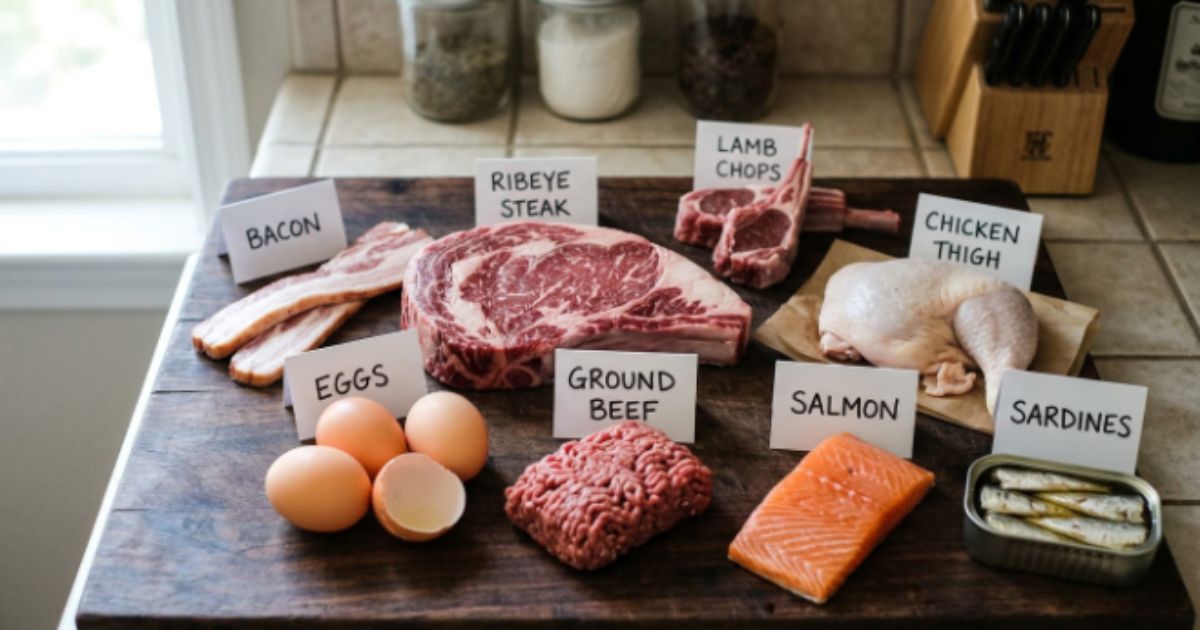
The carnivore diet food list is the foundation of a successful meat-based eating plan. If you’re wondering what you can and can’t eat, this guide makes everything simple to understand. Whether you’re starting a carnivore diet for beginners or looking to improve your current routine, knowing the right foods can help you stay on track. A well-planned carnivore diet shopping list includes nutrient-rich meats, seafood, eggs, and healthy animal fats while avoiding plant-based foods.
This complete guide also explains foods to eat on carnivore diet, common foods to avoid, meal ideas, shopping tips, and practical advice to help you confidently follow this unique eating style and make informed food choices every day.
What Is the Carnivore Diet?
The carnivore diet is a way of eating that includes only animal-based foods while removing nearly every plant food from your plate. Many people describe it as a stricter version of the ketogenic diet because it cuts out almost all carbohydrates instead of simply reducing them. On this eating plan, your meals mainly consist of beef, steak, ground beef, burger patties, lamb, pork, chicken, seafood, eggs, and animal fats. Foods such as vegetables, fruits, grains, bread, pasta, rice, beans, lentils, nuts, and seeds are completely excluded. This animal-based diet focuses on protein and fat as the body’s primary fuel sources. As your carb intake drops, your body begins producing ketones, allowing it to enter ketosis, a metabolic state where stored fat becomes the main source of energy. Many followers believe this change supports fat burning, improves metabolism, and helps control insulin and blood sugar levels.
Although the diet sounds simple, it remains one of the most debated nutrition plans today. Some people report higher energy, better focus, and impressive carnivore diet weight loss results after following a strict carnivore diet or even the more restrictive lion diet, which usually includes only beef, salt, and water. Others point to concerns about fiber deficiency, micronutrient deficiency, high saturated fat, and possible increases in LDL cholesterol. Research on long-term safety is still limited, so experts continue studying its effects on heart health, digestive health, cardiovascular disease, type 2 diabetes, and autoimmune disease. Before making a major dietary change, it is wise to understand both the science and your personal health needs.
How the Carnivore Diet Works
Unlike traditional eating plans, the zero carb diet removes almost every source of sugar and starch from daily meals. Without enough carbohydrates, your body can no longer rely on glucose for fuel. Instead, it converts stored fat into ketones, which provide energy for your muscles and brain. This natural process often reduces hunger because higher protein intake and healthy animal fats keep you feeling full for longer. Many people also compare keto vs carnivore and paleo vs carnivore when choosing a lifestyle. While keto allows some low-carb plant foods and paleo includes fruits and vegetables, the carnivore approach keeps the menu almost entirely animal-based. Because of its simplicity, many followers appreciate that meal planning becomes easier and daily food choices require less effort.
| Feature | Carnivore Diet | Ketogenic Diet | Paleo Diet |
| Main Foods | Animal products only | Low-carb mixed foods | Whole natural foods |
| Carbohydrates | Almost zero | Low | Moderate |
| Fruits | No | Limited | Yes |
| Vegetables | No | Yes | Yes |
| Dairy | Optional | Often allowed | Limited |
| Goal | Animal-only nutrition | Ketosis | Whole-food eating |
Complete Carnivore Diet Food List (What You Can Eat)
The heart of every **carnivore diet food list is high-quality animal food. Choosing nutrient-rich meat, seafood, eggs, and healthy fats gives your body the protein and calories it needs without relying on plant foods. A typical carnivore diet menu includes ribeye steak, brisket, chuck roast, ground beef, burger patties, lamb chops, pork chops, pork ribs, pork shoulder, bacon, sausage, chicken breast, chicken thighs, turkey, duck, and other types of wild game such as venison, bison, and elk. Many experienced followers also include nutrient-dense organ meats like liver, kidney, heart, tongue, and oxtail because they naturally provide important vitamins and minerals that support overall carnivore diet nutrition.
Seafood also plays a valuable role because it offers healthy fats and variety. Popular choices include salmon, trout, tuna, mackerel, sardines, shrimp, lobster, crab, scallops, oysters, mussels, clams, and other shellfish. Alongside meat, many people enjoy eggs, butter, ghee, beef tallow, and lard as everyday cooking fats. Depending on personal preference, some versions of the diet also allow cheese, cheddar cheese, parmesan, gouda, cottage cheese, Greek yogurt, heavy cream, milk, and other full-fat dairy products, although stricter followers may avoid them. Adding bone broth and bone marrow can provide extra flavor and nutrients while helping maintain good hydration during the early transition period.
Carnivore Diet Foods You Can Eat Every Day
The best foods allowed on carnivore diet are simple, filling, and easy to prepare. Many people build their daily meals around fresh meat, seafood, eggs, and natural animal fats because these foods fit almost every version of the diet. Whether you’re creating your first carnivore diet meal plan, planning carnivore breakfast, carnivore lunch, or carnivore dinner, focusing on minimally processed foods usually delivers the best results. Many beginners also use a printable carnivore diet foods list PDF, a complete carnivore grocery list, or a detailed carnivore diet shopping guide to simplify weekly meal prep and grocery shopping. As you gain experience, you’ll discover your favorite carnivore meal ideas, experiment with homemade carnivore diet recipes, and keep convenient carnivore diet snacks available for busy days without compromising your healthy eating goals.
Carnivore Diet Food List Table
| Food Category | Recommended Foods |
| Red Meat | Beef, ribeye steak, brisket, ground beef, chuck roast, burger patties |
| Pork | Pork, pork chops, pork ribs, pork shoulder, bacon, sausage |
| Poultry | Chicken, chicken breast, chicken thighs, turkey, duck |
| Seafood | Salmon, trout, tuna, mackerel, shrimp, lobster, crab, oysters, mussels, clams, scallops, shellfish, sardines |
| Organ Meats | Liver, kidney, heart, tongue, oxtail, bone marrow |
| Dairy (Optional) | Cheese, cheddar cheese, parmesan, gouda, cottage cheese, Greek yogurt, heavy cream, milk, full-fat dairy |
| Animal Fats | Butter, ghee, beef tallow, lard |
| Drinks | Water, sparkling water, bone broth |
| Flavoring | Sea salt, simple seasoning if tolerated |
Foods to Avoid on the Carnivore Diet
Following the carnivore diet means removing every food that comes from plants, even those that many people consider healthy. The goal is to eat only animal products while avoiding anything that adds unnecessary carbohydrates or plant compounds. That means saying goodbye to vegetables, fruits, grains, bread, pasta, rice, legumes, beans, lentils, nuts, seeds, avocado, honey, and foods made with sugar. Many packaged items also contain hidden ingredients that don’t fit a strict carnivore diet, including vegetable oils, seed oils, artificial flavors, and preservatives. Reading food labels becomes an important habit because even products that appear meat-based may include plant ingredients.
Many people wonder why these foods are removed when some of them are rich in vitamins and fiber. Carnivore supporters believe that eliminating plant foods gives the digestive system a break and may help reduce inflammation for certain individuals. Critics, however, point out that removing entire food groups can increase the risk of fiber deficiency, micronutrient deficiency, and other nutrient deficiencies over time. Because of this, some people use carnivore diet supplements to replace nutrients that may become difficult to obtain from a meat-only diet alone. Whether you follow the diet for a few weeks or much longer, understanding the foods to avoid on carnivore diet is just as important as knowing the foods you can enjoy.
Why These Foods Are Not Included
Plant foods naturally contain fiber, starches, and sugars that increase your daily carbohydrate intake. Since the zero carb diet aims to keep carb intake extremely low, these foods no longer fit the plan. For example, bread, pasta, and rice quickly raise blood sugar, while foods such as beans, lentils, and many vegetables provide carbohydrates that can interrupt ketosis for some people. Sweet foods like honey and products containing sugar can also reduce fat burning by encouraging your body to use glucose instead of stored fat. Many processed snacks include processed foods, vegetable oils, and additives that don’t align with the goals of a clean animal-based diet, making them poor choices for anyone following a beginner carnivore diet or a long-term carnivore lifestyle.
Foods to Avoid Table
| Food Group | Examples | Why They Are Avoided |
| Fruits | Fruits, berries, apples, bananas | High in natural sugars and carbohydrates |
| Vegetables | Vegetables, potatoes, carrots, spinach | Plant-based and contain carbs and fiber |
| Grains | Bread, pasta, rice, oats | High carbohydrate content |
| Legumes | Beans, lentils, peas | Rich in starch and fiber |
| Nuts & Seeds | Nuts, seeds | Plant foods with carbs and plant compounds |
| Sweet Foods | Honey, sugar | Prevents maintaining ketosis |
| Oils | Vegetable oils, seed oils | Plant-derived fats |
| Drinks | Soda, juice, alcohol | Added sugars or plant-based ingredients |
| Packaged Foods | Frozen meals, snacks, desserts | Often classified as processed foods |
Can You Eat These Foods on the Carnivore Diet?
One of the biggest questions people ask before starting the carnivore diet is whether certain foods fit the rules. The answer often depends on which version you follow. A strict carnivore diet focuses almost entirely on meat, animal fat, salt, and water. A more flexible version allows selected dairy products and a few animal-derived foods. This difference explains why online advice can sometimes seem confusing. If your goal is an elimination diet or the lion diet, you’ll likely keep your meals very simple. If you’re following a moderate approach, you may include a few extra foods while still staying close to a low carb diet.
The easiest way to decide is to ask one simple question: Does the food come from an animal, and does it contain very few carbohydrates? Foods that meet both conditions are usually accepted. Others may technically come from animals but still contain sugars or plant ingredients that move them outside true carnivore guidelines. Building your own carnivore food guide helps you stay consistent without feeling overwhelmed. Over time, you’ll learn which foods work best for your body while creating a practical carnivore diet menu that supports your goals.
Common Carnivore Diet Food Questions Answered
Many beginners search questions like can you eat cheese on carnivore diet, can you drink coffee on carnivore diet, can you eat yogurt on carnivore diet, can you drink milk on carnivore diet, can you eat vegetables on carnivore diet, can you eat beans on carnivore diet, can you eat avocado on carnivore diet, can you eat pork rinds on carnivore diet, can you eat mayonnaise on carnivore diet, can you eat honey on carnivore diet, can you eat bacon on carnivore diet, and can you eat beef jerky on carnivore diet. In general, cheese, cheddar cheese, parmesan, gouda, cottage cheese, Greek yogurt, heavy cream, and milk may be included on moderate versions, although many strict followers avoid them because of lactose. Bacon and plain beef jerky are usually acceptable if they contain no added sugar or plant fillers. Homemade mayonnaise made with animal fats can work, but most store-bought versions contain vegetable oils. Coffee remains controversial because it comes from a plant, while vegetables, beans, avocado, and honey are generally excluded since they don’t match the principles of a true carnivore approved foods list.
Carnivore Diet Food List for Beginners
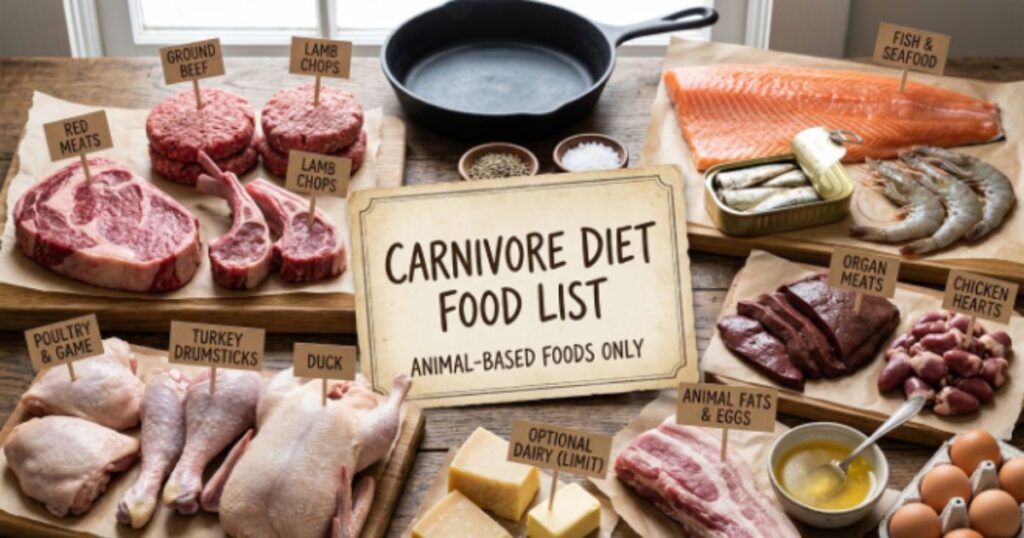
Starting a carnivore diet for beginners may feel challenging during the first few days, especially if you’re used to eating plenty of plant foods. The easiest way to succeed is to keep your meals simple instead of trying complicated recipes. Build your plate around fresh meat, seafood, eggs, and natural animal fats. A beginner doesn’t need expensive ingredients or gourmet cooking. Simple meals made with beef, chicken, pork, or salmon are enough to get started. Many people experience temporary fatigue while their body switches from burning carbohydrates to producing ketones. This adjustment period is normal and often improves after the first week as your body becomes more efficient at using fat for energy.
Planning ahead also makes the transition much easier. Preparing meals before a busy week reduces the temptation to order fast food or eat foods outside your plan. Many beginners create a simple carnivore grocery list, prepare meat in batches, and keep ready-to-eat carnivore diet snacks in the refrigerator. Drinking enough water and maintaining good hydration are equally important because lowering carbohydrate intake can cause your body to lose water and minerals more quickly. Paying attention to electrolyte imbalance during the first few weeks can help reduce headaches, muscle cramps, and tiredness while supporting a smoother transition into your new carnivore lifestyle.
Beginner-Friendly Foods and Simple Meal Ideas
The best foods to eat on carnivore diet are those that are affordable, filling, and easy to cook. Many people start with ground beef, burger patties, steak, chicken thighs, chicken breast, pork chops, bacon, eggs, and butter because these foods are widely available across the United States. Adding bone broth between meals may help support digestive health and improve hydration during the first week. If your version of the diet allows dairy, moderate amounts of cheese, heavy cream, or other full-fat dairy products can add variety. Keep your meal prep simple and focus on consistency instead of perfection. Over time, you can explore more carnivore meal ideas, homemade carnivore diet recipes, and a personalized carnivore diet menu that matches your goals.
Beginner Carnivore Food Table
| Meal | Easy Food Choices |
| Carnivore breakfast | Eggs, bacon, butter, sausage |
| Carnivore lunch | Ground beef, burger patties, chicken thighs, bone broth |
| Carnivore dinner | Ribeye steak, salmon, pork chops, lamb chops |
| Snacks | Hard-boiled eggs, plain beef jerky, cheese (if allowed) |
| Drinks | Water, sparkling water, bone broth |
7-Day Carnivore Diet Meal Plan
A well-balanced carnivore diet meal plan helps remove the guesswork from your first week. Instead of wondering what to cook every day, you already know what’s on the menu. This makes shopping easier and reduces the chance of eating foods outside the plan. The meals below use common ingredients found in most American grocery stores while providing plenty of protein and healthy fats. You can adjust portion sizes based on your hunger, activity level, and personal goals. Remember that the carnivore diet doesn’t require calorie counting for most people. Many followers simply eat until comfortably full and stop when satisfied.
Variety also matters, even on a meat-only diet. Rotating different meats and seafood gives your body access to a wider range of nutrients while making meals more enjoyable. Including fish like mackerel, trout, and sardines several times each week provides healthy fats that support overall heart health. Organ meats such as liver or heart can also improve carnivore diet nutrition because they naturally contain vitamins and minerals that muscle meat alone may not provide. If you’re following a moderate version of the diet, small amounts of full-fat dairy may also fit into your weekly routine.
Sample 7-Day Carnivore Diet Menu
The sample 7-day meal plan below is designed for beginners who want a practical starting point. It includes simple meals that require minimal preparation while helping you stay consistent with your healthy eating goals.
| Day | Breakfast | Lunch | Dinner |
| Monday | Eggs cooked in butter with bacon | Burger patties | Ribeye steak |
| Tuesday | Sausage and eggs | Chicken breast | Salmon |
| Wednesday | Eggs with cheese | Ground beef | Pork chops |
| Thursday | Bacon and eggs | Turkey | Lamb chops |
| Friday | Eggs with beef tallow | Chicken thighs | Trout |
| Saturday | Sausage and eggs | Brisket | Shrimp and scallops |
| Sunday | Eggs with bone broth | Chuck roast | Pork ribs |
Simple Snack and Meal Prep Tips
Even though many people feel less hungry on a high-protein diet, it’s helpful to keep convenient foods available for busy days. Plain beef jerky without added sugar, hard-boiled eggs, leftover steak, bone broth, and small portions of cheese can make excellent carnivore diet snacks if your version of the diet allows dairy. Spending one day each week on meal prep by cooking larger portions of brisket, ground beef, chicken, or pork shoulder saves time and keeps your weekly meal plan on track. This simple habit also makes it easier to follow your carnivore diet shopping guide while reducing food waste and unnecessary grocery trips.
Carnivore Diet Shopping List
A well-planned carnivore diet shopping list makes following this eating style much easier. Instead of walking through every grocery aisle, you can focus on fresh meat, seafood, eggs, and animal fats. This approach saves time and helps you avoid foods that don’t fit your plan. Whether you’re following a beginner carnivore diet or have years of experience, buying high-quality ingredients whenever your budget allows can improve both taste and nutrition. Many people shop once each week and organize their freezer with different cuts of meat so they always have something ready to cook. This simple habit supports better meal prep and makes sticking to your carnivore lifestyle much less stressful.
Building a smart carnivore grocery list also helps you save money. Buying family-size packs of ground beef, chicken thighs, or pork shoulder often costs much less than purchasing smaller portions every few days. Frozen seafood can be another budget-friendly choice because it stays fresh for longer and still provides valuable nutrients. Many experienced followers also keep bone broth, eggs, and butter on hand because they are versatile ingredients that work in almost every meal. With a little planning, your carnivore diet grocery essentials can support a full week of satisfying meals without making grocery shopping complicated.
Essential Carnivore Grocery List
Your weekly shopping list should focus on whole animal foods that are easy to prepare and rich in nutrients. Stocking your kitchen with quality proteins, healthy animal fats, and simple seasoning makes everyday cooking much easier. If you prefer variety, rotate different meats and seafood throughout the week while keeping your freezer well supplied. This practical approach works well for both families and individuals who want a reliable carnivore diet shopping guide.
Benefits and Risks of the Carnivore Diet
Many people begin the carnivore diet because they hope to improve their health or lose weight. One of the biggest carnivore diet benefits is its simplicity. You don’t need to count complicated ingredients or prepare elaborate meals. Since the diet removes refined processed foods and almost all carbohydrates, some people notice better appetite control, improved blood sugar stability, and steady weight loss. High protein intake also helps many followers stay full for longer, making it easier to reduce unnecessary snacking. Some individuals report increased focus, steady energy, and reduced inflammation, although more long-term scientific research is still needed to confirm these experiences.
At the same time, understanding the carnivore diet risks is just as important. Removing every plant food can increase the chance of fiber deficiency, micronutrient deficiency, and other nutrient deficiencies if meals are not carefully planned. Some people experience temporary carnivore diet side effects such as constipation, diarrhea, headaches, or fatigue while adapting to the diet. Others may see changes in cholesterol, including higher LDL cholesterol, especially if they eat large amounts of fatty processed meat. Individuals with cardiovascular disease, diabetes, type 2 diabetes, kidney disease, or other long-term medical conditions should always speak with a healthcare professional before making major dietary changes. In some cases, healthcare providers may recommend regular blood tests or appropriate supplements to monitor overall health.
What Current Research Says About the Carnivore Diet
Research on the carnivore diet healthy debate is still developing. Most published studies focus on low-carbohydrate eating patterns rather than a true meat-only diet, so scientists continue investigating the long-term effects. Some evidence suggests that reducing processed carbohydrates may improve insulin sensitivity and support fat burning, while other research raises concerns about excessive saturated fat, limited vitamin C, low calcium, inadequate magnesium, and possible electrolyte imbalance over time. Experts generally agree that food quality matters. Choosing fresh meat, seafood, and minimally processed animal products is likely healthier than relying on heavily processed meats. Monitoring your body’s response and working with a qualified healthcare provider can help you decide whether this eating pattern fits your personal health goals.
Potential Benefits and Possible Risks
| Potential Benefits | Possible Risks |
| Supports weight loss for some people | Fiber deficiency |
| May improve blood sugar control | Micronutrient deficiency |
| High protein intake increases fullness | High LDL cholesterol in some individuals |
| Removes many processed foods | Possible constipation or diarrhea |
| Simple meal planning | Limited long-term research |
| Encourages whole animal foods | Risk of electrolyte imbalance |
| May support ketosis and fat burning | May require supplements for some people |
Tips for Starting the Carnivore Diet Successfully
Starting the carnivore diet does not have to feel overwhelming. The best approach is to keep things simple and give your body enough time to adjust. Instead of changing everything overnight, many people gradually reduce carbohydrates over several days before switching completely to animal foods. This slower transition may reduce tiredness and help your body adapt to using ketones for energy. Planning your meals before the week begins also makes a big difference. When your refrigerator is stocked with carnivore approved foods, you’re less likely to reach for foods outside your plan. A simple routine built around quality meat, seafood, eggs, and healthy animal fats often leads to better long-term consistency than trying to follow complicated rules.
Listening to your body is equally important. Everyone responds differently to dietary changes, so pay attention to your energy, digestion, and overall well-being. Drink plenty of water because proper hydration supports your body as it adapts to a lower-carb eating pattern. If you notice signs of electrolyte imbalance, such as headaches, muscle cramps, or fatigue, increasing fluids and adding enough sea salt to your meals may help. Some people also benefit from carefully selected supplements, especially when following the diet for an extended period. If you have diabetes, kidney disease, or a history of cardiovascular disease, always consult your healthcare provider before making significant dietary changes.
Practical Tips for Long-Term Success
Success on the carnivore diet often comes from preparation rather than perfection. Build your weekly routine around a reliable shopping list, cook several meals in advance, and keep easy protein options ready for busy days. Rotating foods such as beef, chicken, pork, seafood, and organ meats helps improve carnivore diet nutrition while preventing meal boredom. Many experienced followers also recommend tracking how you feel instead of focusing only on the number on the scale. Better sleep, improved energy, stable hunger levels, and consistent eating habits are all meaningful signs of progress. Most importantly, remember that a sustainable lifestyle is easier to maintain than chasing quick results.
| Success Tip | Why It Helps |
| Plan your meals ahead | Reduces unhealthy food choices |
| Follow a weekly shopping list | Keeps approved foods available |
| Cook in batches | Saves time during busy days |
| Drink enough water | Supports hydration |
| Add sea salt if needed | Helps maintain electrolytes |
| Choose whole animal foods | Improves overall nutrition |
| Monitor your progress | Helps you make smart adjustments |
| Consult a healthcare provider | Supports safe long-term changes |
Conclusion
The carnivore diet food list offers one of the simplest ways to approach eating by focusing almost entirely on animal-based foods. For many people, removing processed carbohydrates and building meals around quality meat, seafood, eggs, and healthy fats makes meal planning easier while supporting goals such as weight loss, better appetite control, and improved blood sugar management. At the same time, this eating style is highly restrictive and requires careful planning to reduce the risk of nutrient deficiencies and other potential health concerns.
Whether you’re exploring the carnivore diet for beginners or comparing it with a ketogenic diet or another low carb diet, the key is to make informed decisions based on reliable information and your personal health needs. Use this complete carnivore diet shopping list, carnivore diet meal plan, and carnivore food guide as a practical starting point. Choose high-quality foods, stay hydrated, monitor how your body responds, and seek professional medical advice whenever necessary. A thoughtful approach will always deliver better long-term results than following trends without understanding the bigger picture.
FAQ’s About Carnivore Diet Food List
What do I eat 7 full days of eating on a carnivore diet?
Eat simple meals made with beef, chicken, pork, fish, eggs, and animal fats. Rotate different meats each day to add variety and support balanced nutrition.
How long does it take to lose 20 pounds on carnivore?
Weight loss varies by age, activity level, and metabolism. Some people may lose 20 pounds within a few months, while others lose weight more gradually.
What are the top 10 foods for a carnivore diet?
The top choices include beef, steak, eggs, salmon, chicken, pork, lamb, organ meats, butter, and bone broth because they provide protein, healthy fats, and key nutrients.
What to eat on day 1 of a carnivore diet?
Start with simple meals like eggs and bacon for breakfast, a beef burger or steak for lunch, and salmon or chicken for dinner while drinking plenty of water.
What happens after 1 week of carnivore diet?
Some people notice reduced cravings, steady energy, and early weight loss, while others may experience temporary fatigue or digestive changes as the body adapts to burning fat for fuel.
People Read Also: Gyatt Meaning: What It Means, Origin, TikTok Slang & How to Use It

My name is M.Adil, I am specialize in creating thoughtful digital content that informs, inspires, and engages readers worldwide. Every piece is written with care and originality.