

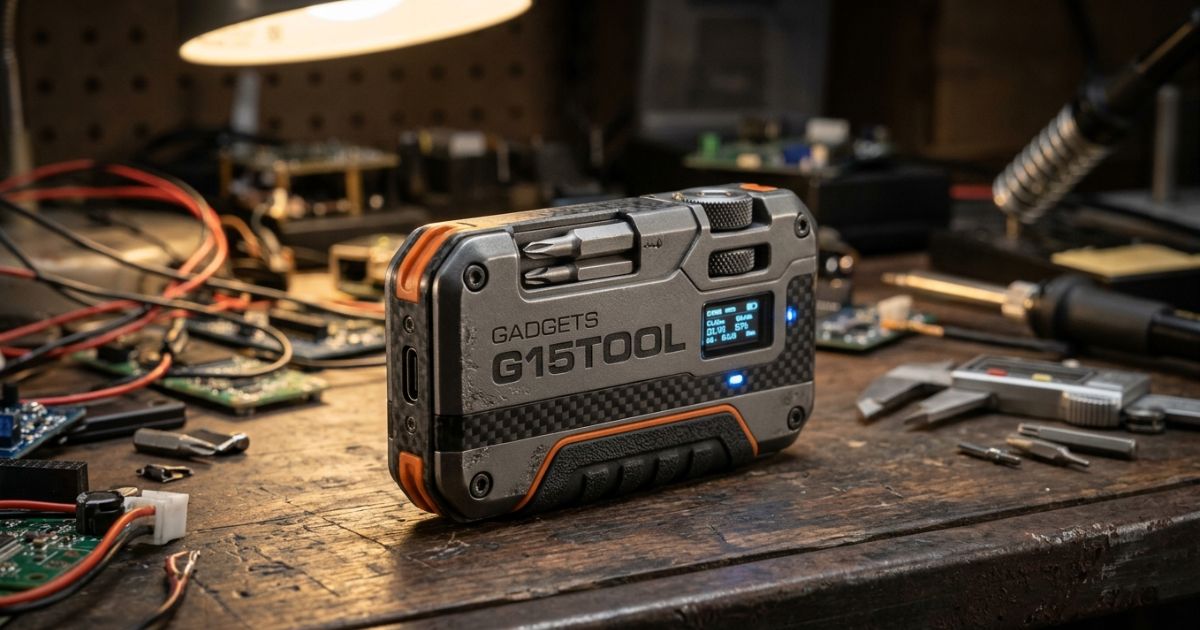
Gadgets G15Tool are attracting attention from people looking for practical tools and technology that simplify everyday tasks. Whether you need equipment for home repairs, travel, outdoor activities, or small technical projects, understanding the available options can help you make a smarter choice. However, the term “G15Tool” does not clearly identify one verified product range, so checking product details before buying is essential.
This guide explores the multi-purpose gadgets, features, materials, and potential benefits associated with gadgets g15tool. You’ll also discover how to compare portable tools, evaluate tool durability, and choose everyday carry tools that suit your needs, budget, and lifestyle in 2026.
What Are Gadgets G15Tool and How Do They Work?
The term gadgets g15tool does not identify one clearly established product category by itself. Some online articles use the name to describe compact tools, while others discuss technology and digital utilities. Therefore, readers should identify the exact website, manufacturer, or model before assuming that a particular device belongs to an official G15Tool product range. This simple step prevents confusion and helps you find accurate specifications, instructions, and warranty details.
Understanding how G15Tool gadgets work starts with the type of device you want to use. Physical tools may help with simple repairs, while electronic gadgets can measure conditions, store information, or connect with other devices. Some multi-purpose gadgets combine several functions in one body. However, their features vary by design. A product listing should explain its intended use, operating requirements, limitations, and safety instructions. Never assume that Bluetooth support, digital sensors, or multiple tools come with every product using this name.
Understanding the Meaning of Gadgets G15Tool
A compact gadget usually solves a specific problem without requiring bulky equipment. For example, a small screwdriver set can help tighten loose screws, while a portable light can improve visibility during a repair. These everyday carry tools appeal to commuters, homeowners, hobbyists, and people who prefer keeping useful equipment nearby. However, a general example does not confirm that G15Tool sells that particular item.
How Multi-Purpose Gadgets Work in Everyday Situations
The basic idea behind multi-function tools is convenience. Instead of carrying several separate items, you can use one device for a few related tasks. Some compact products combine opening mechanisms, screwdrivers, lights, or measuring functions. Others focus on digital features. Before choosing pocket-sized gadgets, check whether their combined functions work well enough for your needs. A smaller design may save space, but it can also limit power, reach, and precision.
Why Are Gadgets G15Tool Gaining Attention in 2026?
Interest in useful technology often comes from one simple need: saving time without making everyday tasks harder. People want portable tools, reliable accessories, and devices that fit into busy routines. For example, a homeowner may prefer a compact screwdriver set over a large toolbox for minor repairs. A traveler may value a small charging accessory that takes up little room. These examples explain the appeal of practical gadgets, but they don’t establish verified sales growth for G15Tool specifically. When researching G15Tool gadgets in 2026, separate general consumer trends from claims about a particular brand or website.
Another reason people explore G15Tool gadgets for everyday use is convenience. A well-designed product can reduce clutter, simplify routine work, and make essential equipment easier to carry. Remote workers may need portable work equipment, while campers may look for dependable outdoor and safety gear. Still, convenience shouldn’t outweigh reliability. Check product documentation, compatibility, replacement parts, and warranty coverage before deciding whether a gadget deserves a place in your daily routine. A useful product solves a real problem. A flashy product that rarely gets used simply takes up space.
Growing Interest in Compact and Multi-Purpose Gadgets
Compact equipment appeals to people who value flexibility. Daily-use pocket tools can help with minor adjustments, opening packages, and other simple tasks. Likewise, compact multi-tools combine several functions in one design. However, the best option depends on the job. A tiny screwdriver may suit an occasional household fix, while repeated repair work requires a more comfortable, purpose-built tool. Think about what you actually do each week rather than buying something because it looks clever.
How Portable Technology Supports Work, Travel, and Hobbies
Portable technology makes it easier to work away from a permanent desk. For example, a laptop stand, rechargeable light, or compact charger can support a temporary workspace. G15Tool gadgets for travel should be lightweight, easy to pack, and suitable for your destination. If you plan to fly within or from the United States, check the airline’s rules for batteries and restricted items. Travelers should also consider charging standards, durability, and the availability of replacement accessories before packing electronic equipment.
Convenience, Space Savings, and Everyday Practicality
The main appeal of multi-purpose gadgets is reducing the number of separate items you need. A combined tool can save storage space and keep related functions together. However, putting more features into one device can create trade-offs. A compact handle may feel uncomfortable during long jobs, while a combined tool may perform less effectively than a dedicated alternative. Compare the actual functions and ergonomics before buying. Convenience matters most when the device works reliably and remains comfortable to use.
Types of Gadgets G15Tool and Their Best Uses
The types of G15Tool gadgets depend on what the term refers to in the listing or article you are researching. Broadly, gadget-related searches may involve physical tools, consumer electronics, repair accessories, or digital utilities. These categories serve different purposes, so they shouldn’t be treated as a single confirmed product lineup. A useful comparison begins with the task you want to complete, the environment where you’ll use the device, and the features the manufacturer actually documents. This approach also helps you avoid confusing general product examples with verified G15Tool models.
For household tasks, G15Tool gadgets for home repairs might lead you to research screwdrivers, measuring devices, portable lights, or compact repair equipment. For outdoor use, G15Tool gadgets for outdoor activities may lead you toward camping lights, emergency whistles, or other safety accessories. Meanwhile, technicians often need precision repair tools and portable repair instruments suited to specific components. These examples illustrate possible categories rather than confirmed G15Tool products. Before choosing anything, verify the model, intended use, technical limits, and manufacturer instructions.
Everyday Carry Gadgets and Pocket-Sized Tools
Everyday carry (EDC) equipment includes small items people keep close for routine needs. A pocket flashlight, compact measuring tape, or multi-tool may help during a commute or minor repair. Good pocket-sized gadgets balance size, usefulness, and safe handling. If a product contains blades or sharp edges, consider local rules and workplace restrictions. For frequent use, check whether the grip feels secure and whether the moving parts lock safely. A tiny device isn’t automatically practical simply because it fits in your pocket.
Electronic Gadgets and Connected Devices
Electronic gadgets include chargers, digital meters, smart accessories, and other devices that rely on electrical power. Some connected digital devices exchange information with a phone or computer. Certain wireless gadgets also use Bluetooth or Wi-Fi to support particular functions. However, don’t assume every product supports these features. Read the official specifications and check operating-system compatibility. If an app is required, confirm that the developer provides a legitimate download and explains what permissions the app needs.
Precision Repair Tools and Technical Accessories
Repair work often demands accuracy and the right equipment. Precision electronics repair tools may include small drivers, tweezers, opening picks, and tools designed for delicate components. For electronics, the wrong tool can strip a screw, damage a connector, or cause electrostatic damage. Choose compact repair equipment that matches the device you intend to repair. Check screw sizes, material quality, and any electrostatic discharge precautions. If a repair involves dangerous voltages or sealed batteries, follow professional guidance instead of relying on a general-purpose gadget.
Outdoor, Camping, and Emergency Gadgets
Outdoor equipment needs to withstand the conditions in which you’ll use it. Useful outdoor emergency tools may include a flashlight, whistle, first-aid supplies, or a reliable way to signal for help. Multi-purpose gadgets for camping can save packing space, but they should never replace essential safety equipment. A small tool might help with a minor campsite task, yet it cannot replace a proper first-aid kit, adequate shelter, or a suitable navigation method. Choose equipment based on your route, weather, experience, and emergency plan.
Digital Utilities and Technology Resources
Not every gadget-related search leads to a physical device. Some websites publish software tutorials, online tools, gaming information, or general technology guides. In that situation, a page about G15Tool may serve as an information resource rather than a product catalogue. Before downloading software or sharing personal information, verify the website address and the developer. A legitimate-looking article does not prove that a downloadable file is safe. Use official app stores or the developer’s verified website whenever possible.
Key Features and Materials That Affect G15Tool Gadget Quality
The features of G15Tool gadgets should match the work you expect them to handle. For a physical tool, check the grip, dimensions, working capacity, and moving parts. For an electronic device, examine battery life, charging requirements, supported connections, and software compatibility. A product with many features isn’t always better than a simpler alternative. The goal is to find a reliable device that performs its main task well. Compare manufacturer specifications with independent testing whenever possible, especially if you plan to use the gadget regularly.
The materials used in G15Tool gadgets also affect comfort, strength, weight, and long-term maintenance. Stainless steel gadgets may offer useful strength and corrosion resistance, while titanium multi-tools can reduce weight without sacrificing much strength. Aluminum alloy tools are often lightweight, and high-grade polymer tools may suit applications where low weight and resistance to moisture matter. These are general material characteristics, not confirmed specifications for G15Tool products. A sensible gadget material comparison considers the exact alloy or polymer, product design, manufacturing quality, and intended working conditions.
Essential Features to Check Before Buying Gadgets G15Tool
Start with the specifications that affect everyday performance. Check dimensions, weight, operating limits, included accessories, and compatibility with your intended task. If you’re comparing electronic products, review charging time, battery capacity, supported connections, and software requirements. For smart measuring devices, look for stated accuracy, measurement range, and calibration instructions. Reliable documentation should explain how the manufacturer tested its claims. Avoid paying extra for features you won’t use or specifications that a seller cannot substantiate.
Stainless Steel, Titanium, Aluminum, and Polymer Materials
Material choice involves trade-offs rather than a single winner. Stainless steel can provide strength and useful corrosion resistance, although its weight varies by design and grade. Titanium offers a strong strength-to-weight ratio, but it usually costs more. Aluminum alloy is light and useful in many housings, yet some alloys may dent or deform under heavy loads. Polymer performance depends on its formulation and construction. When evaluating product materials and corrosion resistance, consider coatings, joints, exposure to moisture, and the manufacturer’s care instructions.
Battery Life, Charging, and Power Requirements
Battery performance matters whenever a gadget depends on stored energy. Check the stated battery capacity, charging method, expected runtime, and replacement options. Actual runtime can change with workload, temperature, screen brightness, and wireless connections. Some products combine portable charging and digital sensors, but those features should be confirmed in the model’s official specifications. Avoid damaged cables or unapproved chargers. For products with rechargeable lithium batteries, follow the manufacturer’s charging, storage, and disposal instructions.
Bluetooth Connectivity, App Support, and Compatibility
Bluetooth connectivity features can make compatible devices easier to configure or monitor. Some app-connected measuring devices may display readings or store results on a phone. Other Bluetooth-enabled tools may offer settings or notifications, depending on the model. Before buying, check supported operating systems, app availability, update history, and the permissions the app requests. Connected tool accessories can be convenient, but their usefulness depends on stable pairing and ongoing support. Never assume an advertised connection guarantees compatibility with every phone or computer.
Build Quality, Ergonomics, and Long-Term Durability
A well-built gadget should feel secure and suit the way you intend to use it. Ergonomic tool design can reduce hand strain by providing a comfortable grip and accessible controls. However, comfort depends on hand size, task duration, and the tool’s weight distribution. Lightweight and durable tools can be useful for travel, but low weight alone doesn’t prove strength. Examine joints, fasteners, finishes, and replaceable parts where relevant. These details influence tool durability and the likely tool lifespan far more than a product’s appearance alone.
How to Choose the Right Gadgets G15Tool for Your Needs
The smartest way to approach how to choose G15Tool gadgets is to start with a real problem. Do you need a tool for occasional household repairs, an accessory for travel, or a device for technical work? Write down the essential functions and compare products that meet them. A homeowner might value easy handling and a useful warranty, while a technician may need precise specifications and replaceable parts. The benefits of G15Tool gadgets depend on the actual product, so don’t assume every device offers the same convenience or performance.
A practical gadget buying guide should also cover price, support, and long-term costs. Compare the full package rather than focusing on the headline price. A cheaper gadget may lack replacement accessories, while a more expensive product may include a useful warranty or better documentation. Read independent product reviews and reliability reports, but look for detailed testing instead of vague praise. Before paying, verify the seller’s identity, delivery terms, return window, and warranty coverage. These G15Tool gadgets buying considerations help you make an informed decision without relying on marketing alone.
Identify Your Needs and Intended Use
Match the gadget to the task, not the other way around. G15Tool gadgets for professionals may need stronger performance, dependable support, and specifications that suit repeated use. G15Tool gadgets for beginners should be easy to understand and safe to operate. If you only need to tighten a loose cabinet handle twice a year, a basic screwdriver may be enough. If you regularly repair electronics, a dedicated precision set may offer better control and value.
Compare Specifications, Quality, and Practical Features
Use the same criteria when comparing similar products. Check dimensions, weight, power requirements, working capacity, warranty, and included accessories. For electronic devices, compare supported operating systems and update policies. For mechanical tools, check material details, moving parts, and replacement options. If a seller lists impressive performance figures, look for a manual or independent test that confirms them. A fair comparison uses verified information instead of assuming that an unfamiliar brand outperforms established alternatives.
Check Compatibility With Your Existing Devices
Compatibility can determine whether a gadget works as expected. A digital accessory may support only certain operating systems, connection standards, or device models. A physical tool may require a specific bit size, fitting, or adapter. Check the manufacturer’s compatibility list before ordering. For connected products, confirm that the companion app remains available and receives support. These simple checks can prevent wasted money and avoidable setup problems.
Read Independent Reviews and Verify Product Claims
Useful reviews explain how a product performs during real tasks. Look for details about comfort, accuracy, battery life, reliability, and problems that appeared after extended use. Be cautious when every review sounds alike or offers praise without examples. Independent testing, manufacturer documentation, and verified customer feedback provide different kinds of evidence. If these sources disagree, investigate further rather than choosing the most flattering claim. This is especially important when the product has no clear manufacturer or model number.
Choose Between Portability and Performance
Compact designs are convenient, but size can limit what a tool can do. A short handle may provide less leverage, while a tiny battery may require more frequent charging. Larger equipment may weigh more but perform better during demanding work. Consider where you’ll store the gadget, how often you’ll carry it, and how much force or accuracy your tasks require. The right choice balances portability, comfort, performance, and price.
Gadgets G15Tool vs. Budget Alternatives: Which Is Better?
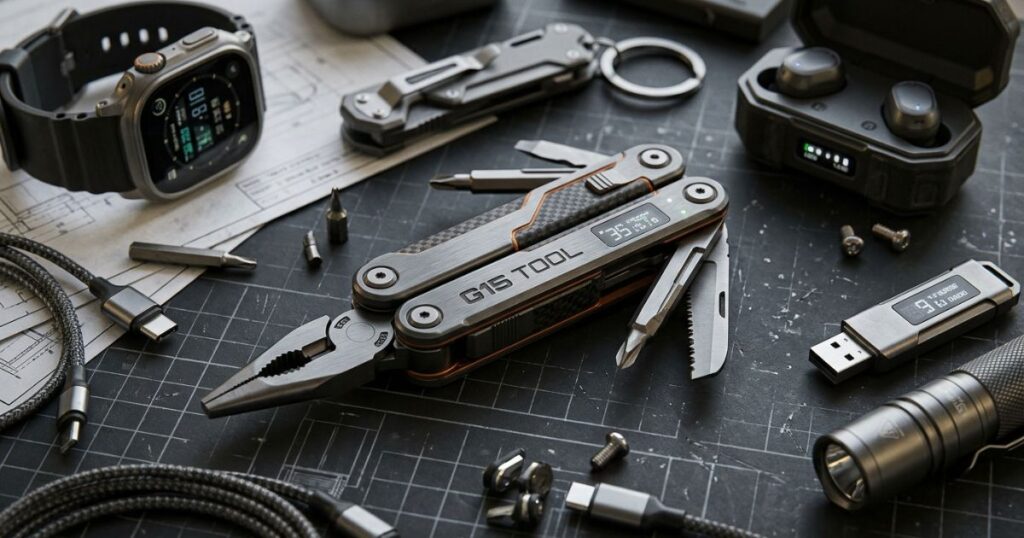
When comparing G15Tool gadgets vs budget alternatives, focus on performance rather than price alone. A low-cost gadget may handle occasional tasks perfectly well, while a more expensive model may offer better comfort, support, or replaceable components. However, a higher price does not automatically mean better quality. Because the exact G15Tool product range isn’t established by the keyword alone, there is no reliable basis for claiming that all G15Tool devices outperform competing products. Compare specific models using verified specifications and independent test results.
The best way to judge gadget value for money is to consider the full cost of ownership. Include the purchase price, replacement accessories, batteries, maintenance, and possible repair costs. Think about how often you’ll use the device and whether a simpler product would do the job. Good budget tool alternatives may provide everything you need without expensive extras. For professional work, a well-supported product could justify a higher price if its performance and durability meet your requirements.
Comparing Features and Everyday Performance
A fair comparison looks at how well each device performs its main task. For example, a compact screwdriver set should fit its intended screws securely, while a digital meter should provide documented accuracy within its stated range. Compare similar products under similar conditions. Check independent tests and manufacturer specifications rather than relying on broad claims about speed or power. If a seller promises dramatic time savings, ask whether those figures come from a repeatable test or an unsupported marketing statement.
Durability, Repairability, and Expected Lifespan
Durability depends on materials, design, workmanship, and usage conditions. A frequently used tool faces more wear than one kept for emergencies. Check whether the manufacturer sells replacement parts and explains routine maintenance. For electronic gadgets, look at battery replacement, software support, and repair options. G15Tool gadgets durability and lifespan cannot be judged accurately without product-specific evidence. Avoid claims that a device lasts a fixed number of years unless reliable testing or a clear warranty supports that figure.
Upfront Price vs. Long-Term Value
A cheaper device may cost less today but require more replacements later. An expensive model may last longer, although that isn’t guaranteed. Consider a simple example: one $30 tool used for several years could provide better value than a $15 tool that fails quickly. However, this comparison only works if the lifespan estimates are realistic. Calculate the purchase cost alongside expected repairs, accessories, and frequency of use. Choose the option that meets your needs without paying for unnecessary features.
When a Budget Gadget Makes More Sense
Budget products make sense when the task is simple, occasional, and low-risk. A basic flashlight or screwdriver may be enough for light household work. Spending more can be worthwhile when accuracy, safety, comfort, or reliable technical support matters. Before choosing a low-cost item, inspect its specifications and return policy. Saving money should never mean accepting unsafe electrical components, poor battery protection, or unclear product information.
How to Compare Products Without Relying on Marketing Claims
Use a consistent comparison method. Record each product’s price, main function, verified specifications, warranty, and replacement-part availability. Check whether independent reviews support the advertised performance. If a feature appears only in promotional copy, treat it as unverified until you find stronger evidence. This method works for unfamiliar gadgets and established brands alike. It helps you separate practical benefits from attractive but unproven claims.
| Comparison factor | What to check |
| Price | Total cost, including essential accessories |
| Performance | Verified specifications and independent tests |
| Materials | Manufacturer details and suitability for the task |
| Durability | Repair options, warranty, and real-world feedback |
| Compatibility | Supported devices, fittings, or operating systems |
| Safety | Clear instructions and relevant certifications |
| Long-term value | Maintenance, replacement costs, and support |
How to Use and Maintain Gadgets G15Tool Properly
Good care can help a suitable gadget remain useful for longer. The right gadget maintenance tips depend on whether you’re dealing with a mechanical tool, rechargeable accessory, measuring device, or software utility. Physical tools may need cleaning and dry storage, while electronics require sensible charging and protection from moisture. Always follow the product manual because maintenance methods vary between materials and designs. If you cannot find reliable instructions for an unfamiliar device, contact the seller or manufacturer before attempting repairs.
Learning how to maintain G15Tool gadgets also means recognizing when something needs attention. Loose parts, damaged cables, swollen batteries, inaccurate readings, or unusual heat can signal a problem. Stop using a potentially unsafe device until you understand the cause. Keep software updated through legitimate sources and review app permissions when using connected equipment. Regular tool maintenance and storage can prevent avoidable damage, but maintenance cannot compensate for poor design or defective components.
Getting Started With a New Gadget
Before using a new device, read its manual and inspect the included parts. Confirm that the model matches your order and check for visible damage. For electronic products, use the recommended charger and review setup instructions before connecting an app. For mechanical equipment, understand its working limits and locking mechanisms. Test the device on a suitable, low-risk task before relying on it for important work. These steps are especially helpful for first-time users.
Cleaning, Storage, and Routine Maintenance
Knowing how to clean multi-purpose tools starts with identifying their materials and moving parts. Remove dirt with a suitable cloth or brush and dry the device according to its instructions. Apply lubricant only when the manufacturer recommends it. Store tools in a dry place where sharp edges and delicate parts remain protected. Avoid soaking electronics or using harsh cleaners on coated surfaces. These habits help reduce corrosion, wear, and damage during storage.
Battery Care and Software Updates
Follow the manufacturer’s advice for charging and storing rechargeable devices. Keep charging ports clean and avoid damaged cables, excessive heat, or unsuitable power adapters. If the gadget relies on software, check for updates through the official developer or app store. Review release notes and compatibility information before updating older hardware. For connected products, check whether the manufacturer still provides security updates. These steps can improve reliability, although they cannot guarantee that every device will remain supported indefinitely.
Common Gadget Problems and Troubleshooting
Common issues include weak batteries, loose connections, incorrect settings, pairing failures, and inaccurate measurements. Start with simple checks: review the manual, inspect the power source, confirm compatibility, and restart the device if the manufacturer recommends it. Never open a sealed battery or bypass a safety feature just to get the gadget working. If a problem continues, contact qualified support. Keep records of error messages and troubleshooting steps because they can help a technician identify the cause.
Safety Tips for Physical Tools and Connected Devices
Follow the safety precautions designed for the specific product. Wear suitable protective equipment when the task requires it and never use a tool beyond its rated capacity. Damaged batteries, exposed wires, and unstable locking mechanisms need special care. For connected products, review privacy settings and install apps only from trusted sources. If a tool requires advanced electrical work, use a qualified professional. Safe operation matters more than finishing a task quickly.
Where to Find Gadgets G15Tool and How to Verify Their Reliability
Finding where to buy gadgets G15Tool starts with identifying what the name represents. A website that publishes technology articles isn’t necessarily a retailer or manufacturer. The available online descriptions of G15Tools.com vary, so readers should not assume that every gadget mentioned in an article is an official product. You can begin with the to examine its published content, then look for a clearly identified manufacturer or seller for any product you want to purchase. Check the exact model, product documentation, and current availability before spending money.
For USA buyers, a trustworthy purchase should come with clear pricing, delivery terms, return conditions, and warranty information. Check whether the seller provides a real business identity and a way to contact customer support. Search for independent reviews that describe actual use rather than repeating promotional language. If the listing lacks a manufacturer name or meaningful specifications, pause before ordering. These checks are particularly important for unfamiliar websites, unusually cheap products, and downloads advertised as essential tools. A little research can prevent an expensive mistake.
How to Identify the Official Website and Product Information
Start by checking the website address and its About or Contact page. Then look for the manufacturer’s product catalogue, user manual, and support information. A genuine product listing should identify the model and explain what it does. If a page describes G15Tool as a physical gadget but provides no verifiable product documentation, treat that description cautiously. An article can introduce a product category without proving that a specific item exists or that the website sells it directly.
Check the Manufacturer, Model Number, and Technical Documentation
A model number helps you distinguish similar products and find accurate instructions. Look for dimensions, power requirements, compatibility details, operating limits, and safety information. For electronic devices, check whether the manufacturer identifies relevant certifications for the product and its intended market. In the United States, applicable requirements vary by product type. Don’t assume a product is certified simply because the seller uses words such as professional, premium, or industrial-grade.
Compare Authorized Retailers and Reputable Online Marketplaces
Compare listings from the manufacturer and established retailers when possible. Review the seller’s identity, shipping costs, delivery estimates, return window, and warranty coverage. Marketplace listings may come from independent third-party sellers, so the marketplace’s reputation alone doesn’t verify every product. Use payment methods with appropriate buyer protections and keep your order confirmation. Avoid sellers who demand unusual payment methods or pressure you to complete a purchase immediately.
Verify Customer Reviews, Warranty Terms, and Return Policies
Useful reviews explain what happened during actual use. Look for specific details about performance, durability, compatibility, and customer support. A large number of short, repetitive reviews offers less insight than a smaller set of detailed experiences. Read the warranty carefully to understand what it covers and who handles repairs. Before buying an unfamiliar gadget, confirm the return deadline and whether you must pay return shipping. These details matter if the product arrives damaged or doesn’t match its description.
Warning Signs of Misleading Gadget Listings
Be cautious when a listing makes extraordinary claims but offers little supporting evidence. Missing model numbers, contradictory specifications, copied images, and unclear warranty terms all deserve closer inspection. For software downloads, avoid unknown installers that ask you to disable security protection. For physical products, don’t assume that a professional-looking website guarantees quality. One warning sign alone doesn’t prove fraud, but several together should encourage you to look for a better-documented seller.
Conclusion
Gadgets G15Tool is a keyword that can lead readers toward different types of gadget and technology content. The best approach is to identify the exact product or service before comparing features, materials, or prices. Multi-purpose gadgets, portable accessories, and digital tools can make everyday tasks easier, but their value depends on performance, safety, and reliability.
Before making a purchase, verify the manufacturer’s information, read independent reviews, and compare the total cost with suitable alternatives. Don’t pay extra for features you cannot confirm or don’t need. A useful gadget should solve a real problem, fit your routine, and provide reasonable value for money. With careful research, you can make a more informed decision about gadgets g15tool in 2026.
FAQ’s About Gadgets G15tool
What are gadgets used for?
Gadgets are used to make everyday tasks easier, faster, and more convenient, such as communication, learning, working, and entertainment.
What are the negative effects of using gadgets?
Excessive gadget use can cause eye strain, poor sleep, reduced physical activity, and difficulty concentrating.
What is the difference between gizmos and gadgets?
Gadgets are useful electronic or mechanical devices designed for specific tasks, while gizmos is an informal term for interesting or unusual devices, often when their exact name is unknown.
What are the main uses of gadgets?
The main uses of gadgets include communication, education, entertainment, productivity, navigation, and solving everyday problems.
What are some examples of gadgets?
Examples of gadgets include smartphones, smartwatches, tablets, digital cameras, wireless earbuds, fitness trackers, and portable chargers.
People Read Also: FeedBuzzard Advertise: Complete Guide to Features, Costs, Strategies, and Results (2026)

My name is M.Adil, I am specialize in creating thoughtful digital content that informs, inspires, and engages readers worldwide. Every piece is written with care and originality.
1 thought on “Gadgets G15Tool: Types, Features, Benefits, and Buying Guide (2026)”