

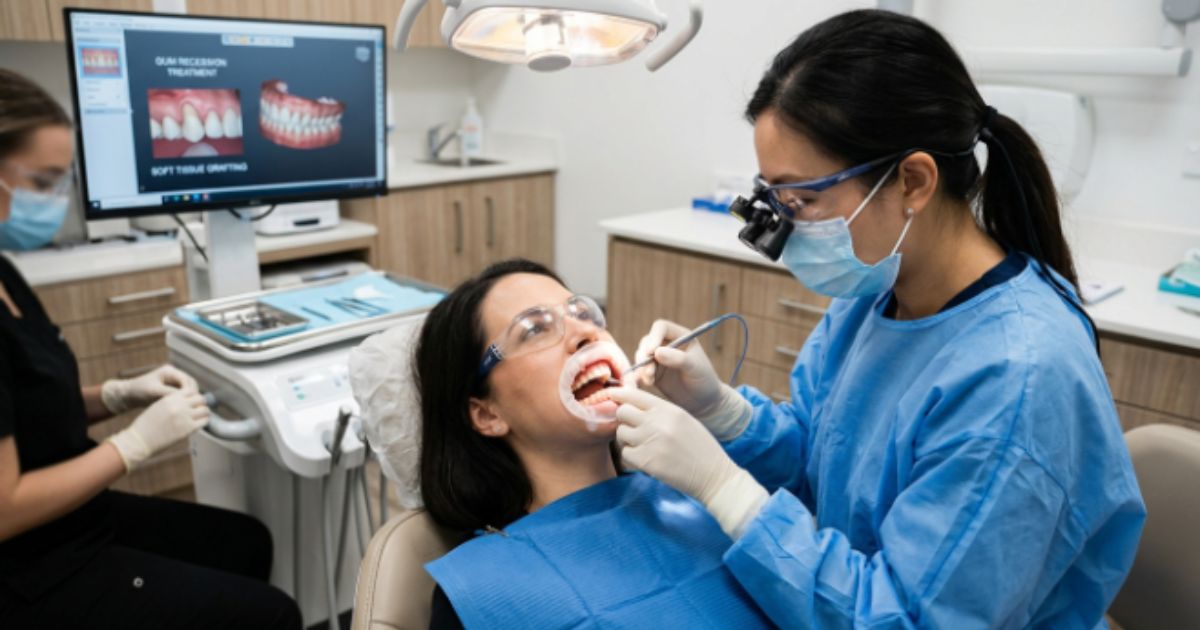
Gum recession treatment is essential for protecting your teeth, restoring healthy gums, and preventing long-term dental problems. When receding gums expose the roots of your teeth, you may experience discomfort, sensitivity, and a higher risk of decay or infection. The good news is that modern dental care offers effective solutions, from scaling and root planing to advanced gum graft surgery, depending on the severity of the condition.
Understanding the causes, symptoms, and treatment options helps you take action before the problem worsens. This guide explains everything you need to know about periodontal treatment, helping you maintain a healthy smile and improve your overall oral health.
What Is Gum Recession?
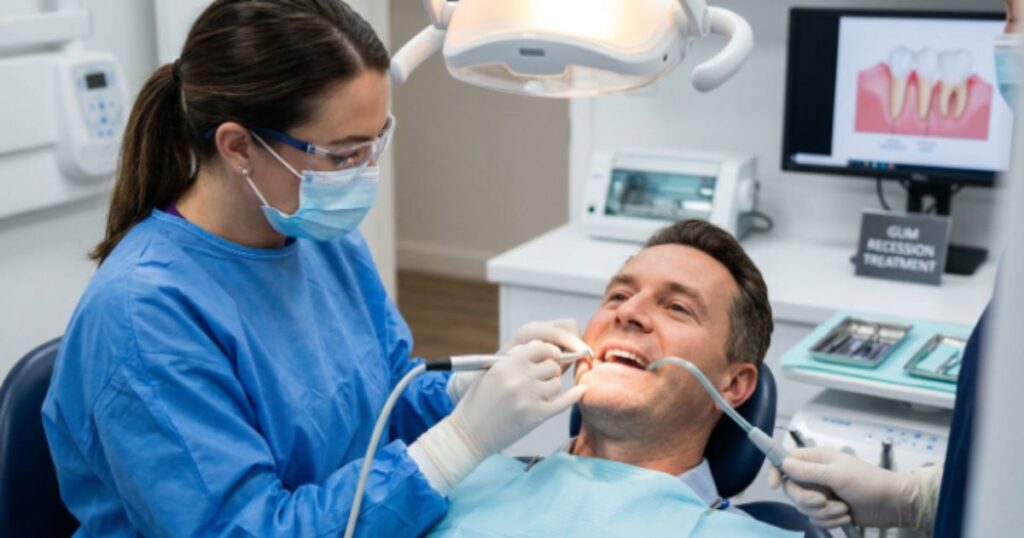
Gum recession happens when the gum tissue surrounding your teeth slowly moves away from the tooth surface. As the gumline shrinks, more of the tooth becomes visible. In many cases, the exposed tooth roots lose the natural protection that healthy gums provide. Unlike tooth enamel, root surfaces are much softer and more vulnerable to damage. This increases the risk of root decay, tooth sensitivity, and infection. Many people first notice a receding gumline when one tooth appears longer than the others or when cold drinks suddenly become uncomfortable. Although the process usually develops slowly, it shouldn’t be ignored because gum tissue does not grow back naturally once it has receded.
The condition affects more than appearance. It also threatens your long-term dental health. As the gums continue to pull away, harmful bacteria collect below the gumline and create periodontal pockets that are difficult to clean with regular brushing. Over time, this may weaken gum attachment, reduce gum support, and increase the chance of loose teeth or even tooth loss. Early gum recession treatment focuses on controlling the underlying cause before permanent damage occurs. Whether the recession is mild or advanced, timely periodontal care can stop gum recession, protect exposed roots, improve comfort, and help you maintain a confident, healthy smile.
How Gum Recession Affects Your Teeth and Overall Oral Health
Your gums work like a protective collar around each tooth. When they begin to recede, they expose delicate root surfaces that were never designed to face hot coffee, cold drinks, or daily chewing pressure. As a result, everyday activities may become painful because tooth root exposure often leads to sharp sensitivity. At the same time, oral bacteria and dental plaque collect around these newly exposed areas more easily, increasing the chance of gum infection and chronic gum inflammation.
The effects extend beyond your mouth. Untreated gum recession management problems can make it harder to clean your teeth properly, allowing plaque and tartar buildup to progress into more serious infections. Research has also shown that advanced gum disease may be linked with certain health conditions, including diabetes and heart disease. Keeping your gums healthy supports better long-term oral health and may contribute to overall well-being.
Why Receding Gums Should Never Be Ignored
Many people assume receding gums are only a cosmetic concern. In reality, the condition often signals an underlying dental problem that needs professional attention. Ignoring early gum recession symptoms allows bacteria to spread deeper below the gumline where routine brushing cannot reach. What begins as mild gum recession can slowly develop into moderate gum recession or even severe gum recession, making treatment more complex.
Think of your gums as the foundation of a house. A small crack may not seem serious today, yet it can grow into a major structural problem over time. The same principle applies to your mouth. Prompt gum recession treatment protects your teeth, reduces future expenses, and greatly lowers the risk of prevent tooth loss.
Can Gum Recession Be Reversed Naturally?
This is one of the most common questions dentists hear. Unfortunately, gum tissue does not grow back after it has receded. While healthy habits can reduce inflammation and prevent additional damage, they cannot replace lost tissue. However, early treatment can stop gum recession, reduce discomfort, and improve your overall gum health before more advanced procedures become necessary.
Professional care offers the best chance to restore gum coverage when recession has become significant. Depending on your condition, your dentist or periodontal specialist may recommend non-surgical treatment, soft tissue grafting, or gum graft surgery to rebuild the gumline and improve both function and appearance.
| Gum Recession Stage | What Usually Happens | Recommended Care |
| Mild | Slight gumline changes and occasional sensitivity | Better home care, professional dental cleaning, regular monitoring |
| Moderate | Noticeable exposed roots, deeper pockets, increased sensitivity | Scaling and root planing, gum disease treatment, possible medication |
| Severe | Significant tissue loss, loose teeth, root exposure | Surgical treatment, gum graft, long-term periodontal maintenance |
What Causes Gum Recession?
Understanding the real cause is the first step toward successful gum recession treatment. Most cases develop because several risk factors work together instead of one single problem. For example, someone who brushes too hard and also grinds their teeth places far more stress on their gums than someone with only one of those habits. Your dentist will perform a complete periodontal evaluation to identify the exact reason behind your gumline recession before creating a customized treatment plan. Treating the symptom without correcting the cause often leads to recurring problems.
One of the leading causes is periodontal disease, a serious bacterial infection that damages the tissues supporting your teeth. Other common contributors include aggressive brushing, using a hard-bristled toothbrush, poor oral hygiene, smoking, tobacco use, teeth grinding, bruxism, genetics, hormonal changes, and uneven bite pressure. In many cases, multiple factors work together to weaken the gums over time. Early diagnosis allows your periodontist to choose the most effective gum recession treatment before irreversible damage develops.
Gum Disease (Periodontitis) and Bacterial Infection
Among all gum recession causes, periodontal disease remains the most common. The condition begins when dental plaque collects around the gumline. If it isn’t removed through daily brushing and flossing, it hardens into tartar. Harmful bacteria then trigger inflammation that slowly destroys the tissues supporting your teeth.
As the infection progresses, periodontal pockets deepen and bacteria spread beneath the gums. Without prompt gum disease treatment, the body gradually loses bone and connective tissue around each tooth. Professional periodontal treatment removes infection and helps preserve healthy tissue before permanent damage occurs.
Aggressive Brushing and Poor Oral Hygiene Habits
Many people believe brushing harder means cleaning better. The opposite is true. Years of aggressive brushing with a hard-bristled toothbrush can wear away delicate gum tissue just like sandpaper slowly wears down wood. Dentists recommend using a soft-bristled toothbrush along with a gentle proper brushing technique to clean effectively without causing injury.
Poor cleaning habits also play a major role. Skipping floss or failing to floss daily allows bacteria to accumulate where toothbrushes cannot reach. Over time, plaque and tartar buildup irritates the gums and increases the risk of recession. Good dental hygiene habits combined with regular dental checkups remain one of the simplest ways to support healthy gums.
Teeth Grinding, Misaligned Teeth, and Bite Problems
Excess pressure on the teeth doesn’t always come from chewing. Many people unconsciously clench their jaws during sleep because of bruxism or daily stress. This constant force places strain on the gums and supporting bone, increasing the likelihood of recession. A nightguard for teeth grinding often helps reduce this pressure and protects the teeth while you sleep.
Misaligned teeth may also contribute to gum problems. Teeth positioned outside the natural arch receive uneven chewing forces that can gradually weaken surrounding tissues. In some situations, orthodontic treatment improves alignment and reduces stress on vulnerable gums. This approach often becomes part of a broader personalized periodontal care plan.
Smoking, Genetics, Hormonal Changes, and Other Risk Factors
Not every cause can be controlled. Some people naturally have thinner gums because of inherited traits, making them more likely to experience thinning gums even with excellent oral hygiene. Hormonal changes during pregnancy or menopause may also increase gum sensitivity and inflammation.
Lifestyle choices still make a major difference. Smoking and other forms of tobacco use reduce blood flow to the gums, delay healing, and increase the risk of gum inflammation. Quitting tobacco improves circulation and supports healthier healing after any professional periodontal treatment.
Signs and Symptoms of Gum Recession
Many people overlook the earliest signs because gum recession symptoms usually develop slowly. At first, you might notice mild discomfort while drinking something cold or brushing your teeth. Others see that one tooth suddenly looks longer than the rest. These subtle changes often indicate that the gums have already started pulling away from the teeth. Recognizing these warning signs early gives your dentist more opportunities to provide conservative gum recession treatment before the condition worsens.
As recession advances, additional symptoms become easier to recognize. You may develop bleeding gums, swollen gums, persistent bad breath, notches near the gumline, or increasing tooth mobility. In more advanced cases, chewing may become uncomfortable because the supporting tissues have weakened. Seeking a timely dental consultation allows your dental specialist to determine the severity of the condition and recommend the most appropriate evidence-based dental treatment.
Early Warning Signs You Shouldn’t Ignore
The earliest signs often seem harmless. You may notice occasional sensitivity while eating ice cream or drinking hot coffee. Some people also observe a slight change in the gumline without any pain at all. These early symptoms often signal the beginning of mild gum recession.
Early action makes a remarkable difference. Routine examinations, improved brushing habits, and professional dental cleaning frequently slow the progression before more advanced treatment becomes necessary.
Common Symptoms of Moderate to Severe Gum Recession
As the condition progresses into moderate gum recession or severe gum recession, symptoms become more noticeable. Teeth may appear unusually long because more of the root surface becomes visible. Increased tooth sensitivity, frequent bleeding, and discomfort while chewing often follow.
Advanced cases may also produce exposed roots, loose teeth, and obvious changes in the shape of your smile. At this stage, your dentist may recommend advanced gum recession management, including deep cleaning for gums, localized antibiotics, or gum graft surgery, depending on the amount of tissue loss.
When to See a Periodontist or Dentist Immediately
You shouldn’t wait until severe pain develops. If you notice exposed tooth roots, ongoing sensitivity, bleeding that continues after brushing, or changes in your bite, schedule a professional evaluation as soon as possible.
A skilled periodontist can identify the cause, perform a complete gum recession diagnosis, and recommend the right treatment before permanent damage occurs. Early care not only saves teeth but also helps maintain healthy gums, supports gum restoration, and improves the chances of lasting smile restoration.
How Is Gum Recession Diagnosed?
Finding the real cause of gum recession treatment begins with a careful diagnosis. A dentist or periodontist doesn’t simply look at your gums and make a quick decision. Instead, they perform a complete examination to understand how much gum tissue has been lost and why the problem developed in the first place. Every case is different. One person may have recession because of periodontal disease, while another may have damage caused by aggressive brushing, bruxism, or naturally thinning gums. A proper diagnosis helps your dentist create a customized treatment plan that treats the cause instead of only the symptoms.
During your visit, the dental team will evaluate your overall oral health, measure the amount of gum attachment that remains, and look for signs of infection or bone loss. They may also ask questions about your brushing habits, smoking history, medical conditions, and family history because these factors often contribute to gum recession causes. Early gum recession diagnosis gives you more treatment choices and greatly improves the chances of protecting your natural teeth.
Dental Examination and Periodontal Evaluation
A complete periodontal evaluation is much more detailed than a routine dental cleaning. The dentist carefully examines every tooth, checks the gumline, and looks for bleeding gums, swollen gums, and areas of gum inflammation. Special instruments measure the depth of the spaces between your teeth and gums. Healthy gums usually have shallow pockets, while deeper pockets often indicate infection.
Your dental specialist also checks for tooth mobility, bite problems, and signs of teeth grinding. If necessary, your dentist may recommend seeing a periodontal specialist who focuses on diseases affecting the gums and supporting bone.
Gum Pocket Measurements and Dental X-Rays
Pocket measurements provide valuable information about the severity of gum disease. Deeper periodontal pockets often contain oral bacteria, making them difficult to clean with brushing alone. These measurements help determine whether non-surgical treatment will be enough or if more advanced care is needed.
Dental X-rays allow the dentist to see below the gums. They reveal hidden bone loss, root surfaces, and damage that cannot be seen during a visual exam. Together, the examination and X-rays create a complete picture of your gum condition.
Determining the Severity and Underlying Cause
After gathering all the information, your dentist determines whether you have mild gum recession, moderate gum recession, or severe gum recession. This step is essential because treatment varies depending on the amount of tissue loss and bone support.
Instead of guessing, your dental team combines clinical findings, X-rays, and your medical history to recommend the best gum recession treatment. This personalized approach produces better long-term results and reduces the risk of future problems.
| Diagnostic Method | Purpose | What It Detects |
| Visual Examination | Examines the gumline | Gum recession and inflammation |
| Periodontal Probe | Measures pocket depth | Periodontal pockets and attachment loss |
| Dental X-Rays | Checks supporting bone | Bone loss and root surfaces |
| Medical History | Identifies risk factors | Systemic conditions and habits |
Best Gum Recession Treatment Options
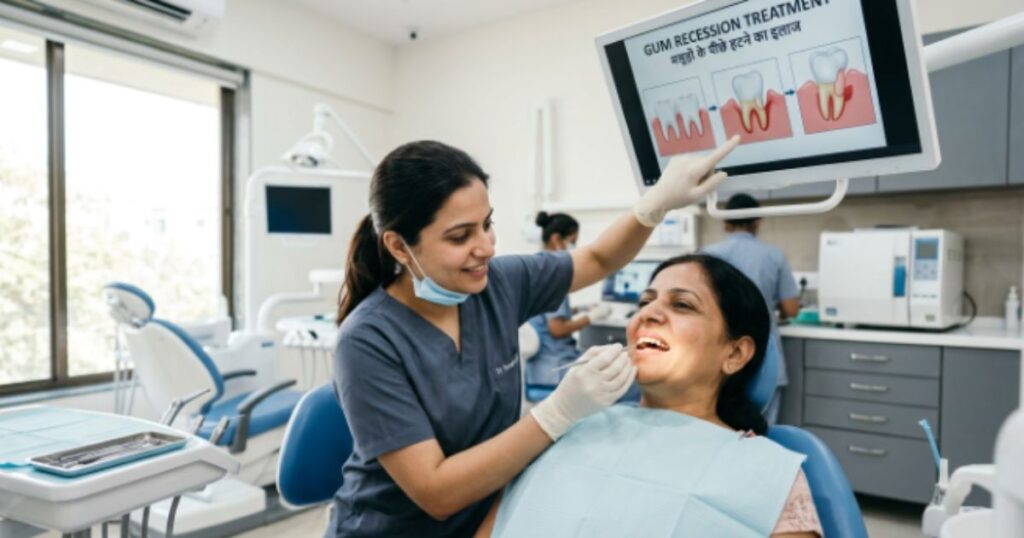
The right gum recession treatment depends on the cause, severity, and overall condition of your mouth. There isn’t a single solution that works for everyone. Someone with early recession caused by plaque may only need scaling and root planing, while another person with significant tissue loss may require gum graft surgery. The main goal is always the same. Your dentist wants to remove infection, stop gum recession, protect the roots, and preserve your natural teeth for as long as possible.
Modern dentistry offers several highly successful treatment methods. Some treatments focus on eliminating bacteria, while others rebuild lost tissue or reduce sensitivity. Your periodontist will explain every option and recommend the one that best fits your condition. Starting treatment early often means less discomfort, lower costs, and better long-term success.
Scaling and Root Planing (Deep Cleaning)
One of the most effective early treatments is scaling and root planing, often called deep cleaning for gums. During this procedure, the dentist removes plaque and tartar buildup from below the gumline and smooths the tooth roots. Smooth root surfaces make it harder for bacteria to collect again and encourage healthier gum attachment.
Although this treatment doesn’t replace missing gum tissue, it significantly reduces infection and slows disease progression. Many patients notice healthier gums and less bleeding within a few weeks after treatment.
Antibiotics and Antibacterial Treatments
If harmful bacteria remain after cleaning, your dentist may recommend localized antibiotics or an antibacterial mouthwash. These treatments help reduce infection inside deep gum pockets where toothbrushes cannot reach.
Antibiotics usually work best when combined with professional cleaning rather than used alone. Together, they lower bacterial levels, reduce inflammation, and support faster healing.
Desensitizing Products for Exposed Tooth Roots
When recession exposes the roots, many people experience sharp pain while eating hot or cold foods. Fortunately, desensitizing toothpaste and fluoride treatment can greatly reduce tooth sensitivity by protecting vulnerable root surfaces.
These products don’t reverse recession, but they improve comfort while your dentist treats the underlying problem. Many patients find daily activities much easier after using these products consistently.
Dental Bonding for Root Protection
For small areas of recession, dentists sometimes recommend dental bonding. A tooth-colored resin covers exposed tooth roots and provides extra tooth root protection against sensitivity and decay.
Bonding also improves appearance by making teeth look more even. Although it doesn’t replace lost gums, it can be an excellent cosmetic and protective solution for selected cases.
Orthodontic Treatment for Bite and Alignment Issues
Sometimes recession develops because teeth are positioned incorrectly. Teeth that stick out too far or receive uneven chewing pressure place constant stress on surrounding tissues.
In these situations, orthodontic treatment gently moves the teeth into healthier positions. Better alignment reduces pressure on the gums and lowers the chance of additional recession.
Which Gum Recession Treatment Is Right for You?
Every patient has different needs. Age, gum thickness, bone support, medical history, and lifestyle all influence the best treatment choice.
Your periodontist will recommend the most suitable option after completing a full examination. Following the recommended plan early gives you the best opportunity to preserve your teeth and maintain excellent gum health.
| Treatment Option | Best For | Main Benefit |
| Scaling and root planing | Early gum disease | Removes bacteria below the gumline |
| Antibacterial mouthwash | Mild infection | Controls bacterial growth |
| Localized antibiotics | Deep pockets | Reduces infection |
| Desensitizing toothpaste | Root sensitivity | Improves comfort |
| Dental Bonding | Minor recession | Covers exposed roots |
| Orthodontic treatment | Bite problems | Reduces pressure on gums |
Surgical Gum Recession Treatments
When non-surgical methods cannot restore enough protection, your dentist may recommend surgical treatment. These procedures rebuild damaged areas, cover exposed roots, and strengthen the gumline. While surgery may sound intimidating, modern techniques are far more comfortable than many people expect. Most procedures use local anesthesia, and many patients return to normal daily activities within a few days.
Surgical procedures are usually recommended for patients with severe gum recession, persistent sensitivity, or advanced tissue loss. The goal isn’t simply to improve appearance. Surgery helps restore gum coverage, strengthen gum tissue, improve chewing comfort, and prevent future gum recession. With proper care, these treatments often provide long-lasting results.
Gum Graft Surgery Explained
Gum graft surgery remains the gold standard for treating advanced recession. During the procedure, the dentist places healthy connective tissue over the affected area to create stronger gum coverage. The graft may come from the roof of your mouth or from carefully selected donor tissue.
A successful gum graft can protect exposed roots, decrease sensitivity, improve gum tissue volume, and greatly enhance the appearance of your smile. Most patients experience excellent healing with proper aftercare.
Connective Tissue Grafts vs. Free Gingival Grafts
Several grafting methods are available depending on your needs. Soft tissue grafting using connective tissue is the most common because it produces natural-looking results and excellent root coverage.
Free gingival grafts are often recommended when patients have very thinning gums that require additional tissue thickness. Your periodontal specialist selects the best approach based on your individual condition.
Pinhole Surgical Technique (PST)
The pinhole surgical technique offers a minimally invasive alternative for selected patients. Instead of removing tissue from another part of the mouth, the dentist creates a tiny opening and gently repositions existing gum tissue over the exposed roots.
Many patients appreciate this technique because it often results in less swelling and a shorter recovery period. However, not everyone qualifies for this procedure, so a professional evaluation is necessary.
Benefits, Risks, and Success Rate of Gum Surgery
Modern periodontal surgery has a very high success rate when performed by an experienced periodontist. Patients often enjoy less sensitivity, healthier gums, and a more balanced smile after treatment.
Like any surgical procedure, some temporary swelling and discomfort are normal. Careful follow-up visits and excellent home care greatly improve recovery after gum graft, support healing after gum surgery, and help maintain healthy gums for many years.
| Surgical Procedure | Primary Purpose | Main Advantage |
| Gum graft surgery | Cover exposed roots | Long-lasting root protection |
| Soft tissue grafting | Increase tissue thickness | Stronger gums and natural appearance |
| Connective tissue graft | Root coverage | Excellent cosmetic results |
| Free gingival graft | Increase gum thickness | Better protection for thin gums |
| Pinhole surgical technique | Reposition existing tissue | Less invasive with quicker recovery |
How Much Does Gum Recession Treatment Cost?
The cost of gum recession treatment depends on several factors, including the severity of the condition, the type of procedure you need, and where you live in the United States. A simple professional dental cleaning or scaling and root planing costs much less than advanced gum graft surgery. Your dentist will also consider how many teeth require treatment, whether bone loss is present, and if additional procedures are necessary. While treatment may seem expensive at first, delaying care often leads to bigger dental problems and much higher costs in the future.
Most dental offices provide a complete estimate after your dental consultation and periodontal evaluation. Many also offer payment plans to make treatment more affordable. Investing in early gum recession treatment not only protects your smile but also reduces the chance of needing tooth replacement later. Taking care of the problem now is usually less costly than treating advanced periodontal disease or replacing missing teeth.
Average Gum Recession Treatment Cost in the USA
Prices vary across the country, yet national averages provide a helpful starting point. Non-surgical procedures generally cost less than surgery because they require fewer appointments and less specialized care.
| Treatment | Estimated Cost (USA) |
| Dental Exam and Evaluation | $75–$250 |
| Scaling and root planing | $200–$400 per quadrant |
| Antibacterial mouthwash | $20–$50 |
| Localized antibiotics | $35–$150 per site |
| Dental Bonding | $300–$600 per tooth |
| Gum graft surgery | $600–$3,000 per tooth |
| Soft tissue grafting | $800–$3,500 per procedure |
Note: Prices are estimates and vary by location, dentist experience, and treatment complexity.
Factors That Affect Treatment Pricing
Every patient has different needs. Someone with mild gum recession may only require a deep cleaning and regular monitoring. Another person with severe gum recession may need surgery, medications, and several follow-up visits.
The final cost often depends on the number of teeth involved, the amount of gum tissue lost, whether bone damage exists, the dentist’s experience, and your geographic location. Large cities usually have higher treatment costs than smaller communities.
Does Dental Insurance Cover Gum Recession Treatment?
Many dental insurance plans cover medically necessary procedures, especially when treatment prevents additional damage. Coverage often includes examinations, X-rays, professional dental cleaning, and part of the cost of periodontal treatment.
However, cosmetic procedures may receive little or no coverage. Contact your insurance provider before treatment begins so you understand your benefits and any out-of-pocket expenses.
Is Gum Recession Treatment Worth the Cost?
The answer is almost always yes. Healthy gums support healthy teeth. Ignoring recession increases the risk of root decay, infection, and tooth loss, which are far more expensive to treat.
Think of it like repairing a small roof leak. Fixing it early costs much less than replacing the entire roof after water damage spreads. Early gum recession treatment follows the same principle.
Recovery After Gum Recession Treatment
Healing after gum recession treatment depends on the procedure you receive. Patients who undergo non-surgical treatment usually recover within a few days. Those who have gum graft surgery or soft tissue grafting may need one to two weeks for the gums to heal comfortably. During this time, following your dentist’s instructions plays a major role in your success. Small daily choices often determine how quickly your gums recover.
Your mouth naturally begins repairing itself immediately after treatment. New tissue forms, inflammation decreases, and your gums gradually become stronger. Avoiding unnecessary pressure on the treated area helps strengthen gum tissue and encourages healthy healing. Most patients return to normal routines quickly while following a few temporary precautions.
What to Expect During the Healing Process
Some swelling and mild discomfort are normal after treatment. These symptoms usually improve within a few days as your gums begin healing.
Patients who receive gum graft surgery often notice reduced sensitivity once healing is complete because the graft provides better protection for vulnerable root surfaces.
Foods to Eat and Activities to Avoid
Soft foods make recovery easier. Yogurt, soup, mashed potatoes, scrambled eggs, oatmeal, smoothies, and cooked vegetables place very little stress on healing gums.
Avoid crunchy chips, popcorn, hard candy, spicy foods, and extremely hot drinks until your dentist confirms proper healing. Smoking should also be avoided because it slows recovery and increases the risk of complications.
Oral Care Tips for Faster Recovery
Gentle cleaning remains important even after surgery. Your dentist may recommend a soft-bristled toothbrush, antibacterial mouthwash, or special cleaning instructions while the gums heal.
Good dental hygiene habits, regular follow-up appointments, and careful home care help prevent future gum recession and improve long-term treatment success.
Possible Side Effects and When to Call Your Dentist
Most patients recover without problems. Mild swelling, slight bleeding, and temporary sensitivity are common during the first few days.
Contact your dentist immediately if you experience heavy bleeding, severe pain, increasing swelling after several days, fever, or signs of infection. Prompt care helps protect your results and supports successful healing after gum surgery.
| Recovery Stage | What You Can Expect |
| First 24 Hours | Mild swelling and tenderness |
| Days 2–7 | Gradual healing and reduced discomfort |
| Weeks 2–4 | Improved gum stability and comfort |
| One Month and Beyond | Stronger gums and healthier appearance |
How to Prevent Gum Recession from Getting Worse
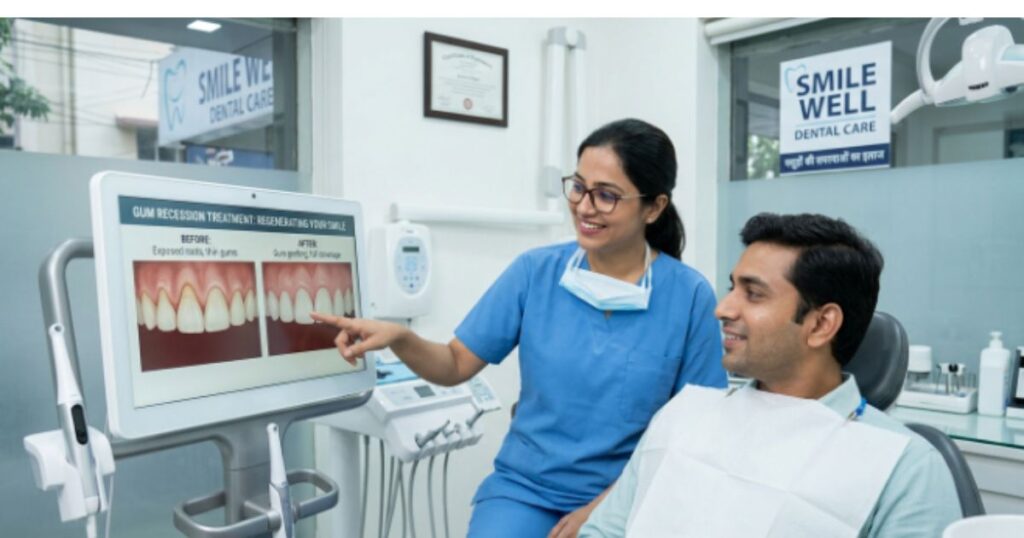
The best gum recession prevention begins long before surgery becomes necessary. Healthy daily habits protect your gums from damage and reduce the chance of future recession. Even if you’ve already completed treatment, prevention remains essential because repaired gums still require ongoing care. Consistency matters far more than perfection. Small habits practiced every day create healthier gums over time.
Protecting your gums doesn’t require complicated routines. Brushing gently twice a day, floss daily, eating a balanced diet, and visiting your dentist regularly provide excellent protection. Your dentist may also recommend additional preventive steps based on your individual risk factors. Following these recommendations helps preserve your results and supports lifelong gum health.
Build a Daily Oral Care Routine That Protects Your Gums
Use a soft-bristled toothbrush and brush gently with the correct proper brushing technique. Brushing harder doesn’t clean better. Instead, it wears away delicate gum tissue over time.
Daily flossing removes bacteria between teeth before it causes inflammation. Combined with regular professional dental cleaning, these simple habits greatly reduce the risk of future gum problems.
Lifestyle Changes That Keep Your Gums Healthy
Your lifestyle has a direct impact on your gums. Smoking, tobacco use, uncontrolled diabetes, poor nutrition, and unmanaged stress all increase the likelihood of gum disease.
If you suffer from bruxism, wearing a nightguard for teeth grinding protects your teeth and reduces excessive pressure on your gums while you sleep.
Why Regular Dental Checkups Matter
Routine dental checkups allow your dentist to detect problems before they become serious. Small areas of recession are much easier to treat than advanced tissue loss.
Regular examinations also allow your dental team to remove tartar, monitor gum health, and adjust your customized treatment plan whenever necessary.
Long-Term Tips to Maintain Healthy Gums
Long-term success depends on consistency. Continue practicing excellent oral hygiene even after treatment has finished.
Healthy habits, routine periodontal maintenance, balanced nutrition, and professional care work together to maintain healthy gums, support gum restoration, and preserve your healthy smile for years to come.
| Healthy Habit | Benefit |
| Brush with a soft-bristled toothbrush | Protects delicate gums |
| Floss daily | Removes plaque between teeth |
| Visit your dentist twice a year | Detects problems early |
| Quit smoking | Improves healing and circulation |
| Wear a nightguard | Reduces damage from teeth grinding |
| Eat a balanced diet | Supports healthy gum tissue |
Conclusion
Gum recession treatment is about much more than improving the appearance of your smile. Healthy gums protect your teeth, support your jawbone, and play an important role in your overall oral health. While receding gums don’t heal on their own, today’s dental treatments can successfully stop gum recession, reduce discomfort, and restore function before serious complications develop. Whether your dentist recommends scaling and root planing, gum disease treatment, or advanced gum graft surgery, early care always offers the best chance of preserving your natural teeth.
The key to lasting success is acting before small problems become major ones. Pay attention to changes such as tooth sensitivity, bleeding gums, or a receding gumline, and don’t delay seeking professional advice. Combined with good daily habits, regular dental checkups, and ongoing periodontal care, the right treatment plan can protect your gums, strengthen your smile, and help you enjoy healthy teeth for many years to come.
FAQ’s About Gum Recession Treatment
How do you treat receding gums?
Treatment depends on the cause and may include deep cleaning, improved oral hygiene, medication, or gum graft surgery for advanced cases.
Can gums grow back after receding?
No, receded gums do not grow back naturally. However, professional treatments can restore gum coverage and protect your teeth.
What’s the worst thing for receding gums?
Ignoring the condition, smoking, aggressive brushing, and poor oral hygiene can make gum recession worse and increase the risk of tooth loss.
Is gum recession normal?
Gum recession is common, especially with age, but it isn’t considered normal and should be evaluated by a dentist.
What is Stage 4 receding gums?
Stage 4 refers to advanced periodontal disease with severe gum and bone loss, loose teeth, and a high risk of tooth loss if left untreated.
People Read Also: 250+ Good Morning Messages for Him to Make Him Smile, Feel Loved & Start His Day Right

My name is M.Adil, I am specialize in creating thoughtful digital content that informs, inspires, and engages readers worldwide. Every piece is written with care and originality.