


Inventive LWMFCrafts brings creativity to life through simple, affordable, and enjoyable DIY projects. You don’t need expensive tools or expert skills to turn ordinary household items into something special. From colorful decorations and handmade gifts to fun family activities, these creative projects offer something for everyone. Whether you’re a beginner, a parent, or a crafting enthusiast, you can explore new ideas while saving money and reducing waste.
Try easy DIY projects for beginners, experiment with recycled craft ideas, or create beautiful DIY home decor for your living space. With creative crafting ideas and sustainable crafting, you can transform everyday materials into unique creations.
What Is Inventive LWMFCrafts and Why Is It Inspiring Creative DIY Ideas?
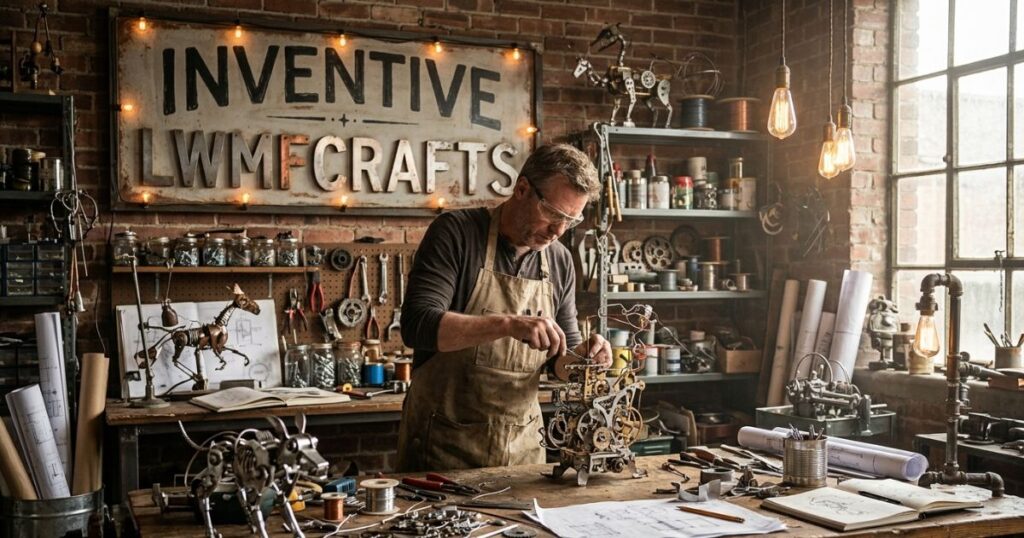
Inventive LWMFCrafts describes a creative approach to making crafts with simple materials and fresh ideas. It focuses on turning ordinary objects into attractive, useful, or entertaining creations. For example, you can decorate a jar to hold pencils or turn cardboard into a small toy house. These projects make creativity feel accessible. You don’t need to be an expert to get started. Crafting is about trying new ideas, learning from mistakes, and enjoying the process. Some readers may also encounter the name LookWhatMomFound when exploring family craft inspiration online. However, Inventive LWMFCrafts should not automatically be treated as the official name of a specific platform without reliable confirmation.
The appeal of Inventive LWMFCrafts ideas for beginners comes from their flexibility. You can choose a small project when you have little time or plan a larger activity for the weekend. Many projects use Crafts using everyday household materials, which helps keep costs low. Crafting can also support Crafting for relaxation because it gives you something enjoyable to focus on away from daily distractions. A simple painting session, paper project, or handmade decoration can become a rewarding break. The best part is that each creation can reflect your own taste, needs, and imagination.
The Creative Philosophy Behind Inventive LWMFCrafts
The main idea behind inventive crafting is to look at ordinary objects differently. A cardboard tube might become a pencil holder, a toy telescope, or a small animal figure. A clean jar might become a flower vase or a desk organizer. You can even combine paper, fabric, and paint to create something entirely new. This approach encourages Creative thinking and helps you explore different ways to solve simple problems. Instead of following every instruction exactly, you can change colors, shapes, and materials to suit your ideas.
Why DIY Crafting Appeals to Modern Families
Modern families often look for affordable ways to spend time together. Crafting offers a chance to talk, laugh, and create something as a team. Parents can introduce children to simple projects, while adults can explore more detailed designs. These Family crafting activities also provide useful Screen-time alternatives without making learning feel like homework. A handmade card, family collage, or painted decoration can become a keepsake. The goal is not to produce a perfect result. It is to enjoy the time spent creating and learn something along the way.
Easy Inventive LWMFCrafts Projects for Beginners and Busy People
You don’t need a large workspace to enjoy crafting. Many Easy DIY projects for beginners require only paper, glue, scissors, and a few coloring supplies. You could make a bookmark, decorate a notebook, paint a small flowerpot, or create a greeting card. These projects help you practice basic skills before moving to more detailed designs. Choose one idea, gather your supplies, and follow a few simple steps. Starting small can help you build confidence without spending too much money.
If your schedule is busy, try Quick crafts for busy people that take around 10 to 15 minutes. You might decorate a gift tag, make a paper flower, or turn a clean jar into a simple storage container. These Quick DIY crafts for busy weeknights fit well after work or school. Keep your basic supplies together so you can begin without searching through drawers. The best Easy Inventive LWMFCrafts projects to make at home are the ones that match your skill level, available time, and interests.
Quick Inventive LWMFCrafts Ideas You Can Finish in 15 Minutes
A handmade bookmark is a simple place to start. Cut a strip from Cardstock, decorate it with colored pencils or Acrylic paints, and let it dry before using it. You can also create gift tags, decorate a notebook cover, or paint a few smooth stones. Use Paintbrushes for small details and choose Non-toxic paints when children are involved. These quick projects need little preparation and can use supplies you already own. You can make several at once and keep them ready for birthdays or other special occasions.
Beginner DIY Projects That Look Creative and Professional
Simple projects can look polished when you pay attention to small details. A painted flowerpot, a decorated picture frame, or a handmade clay dish can become an attractive display item. Air-dry clay is useful for making small ornaments and Clay trinket dishes, although you should follow the product instructions for drying and sealing. Smooth rough edges, choose colors that work well together, and allow each layer to dry fully. These steps help your work look neat without requiring advanced skills. Practice also helps you discover the techniques you enjoy most.
Creative Indoor Craft Activities for Kids, Families, and Adults
Indoor craft activities can turn an ordinary afternoon into an enjoyable experience. They are useful during rainy days, school holidays, and weekends when outdoor plans are not possible. Children can make Paper bag puppets, Paper plate masks, and colorful collages. Adults may prefer painting, paper decorations, or small home projects. These Fun indoor crafting activities for families can suit different ages and skill levels. Choose materials that are easy to handle, prepare a comfortable workspace, and allow everyone to make their own creative choices.
Crafting also gives families a chance to enjoy Screen-free activities for kids without relying on television or mobile devices. Younger children can explore colors, shapes, and textures, while older children can design their own projects. Adults can join in instead of acting only as supervisors. This shared time encourages Family bonding and gives everyone a chance to learn from each other. For young children, Sensory crafts for toddlers can include supervised play with large paper shapes, washable colors, and textured materials. Avoid small objects that could cause choking, and always choose activities that match each child’s age and abilities.
Fun and Playful LWMFCrafts Activities for Different Age Groups
Toddlers often enjoy simple activities that involve touching, sorting, and exploring safe materials. Preschoolers can try large paper collages, finger painting with suitable products, and basic shape matching. Elementary-school children may enjoy Bead bracelets, paper animals, and simple cardboard buildings with adult help when needed. Teenagers can explore more detailed designs, room decorations, and personalized accessories. Adults can try painting, clay modeling, or creative upcycling. Matching the project to each age group helps everyone participate without feeling frustrated or overwhelmed.
Fast Indoor Crafts for Rainy Days and Family Weekends
A family craft session does not need a complicated plan. Put paper, crayons, glue sticks, and clean reusable materials on a table. Each person can create a greeting card, a paper animal, or a colorful picture. You can also make a shared collage that includes everyone’s drawings. These Screen-free creative activities for rainy days work well because they need little preparation. Keep the activity relaxed and allow each person to choose their own design. The experience matters more than making identical results.
DIY Home Decor and Functional Crafts You Can Make at Home
DIY home decor allows you to add personal style to your living space without buying every decoration from a store. You can paint flowerpots, create paper wall art, decorate picture frames, or design small centerpieces. These Handmade home decor ideas on a budget work well in bedrooms, living rooms, and home offices. Choose colors that match your existing furniture and use materials that suit the space. For example, a painted jar can hold artificial flowers, while a decorated frame can display a favorite photograph. Simple details can make a room feel more personal.
Crafting can also produce Functional crafts for everyday use. A cardboard desk organizer can hold pens and notes, while a decorated container can store craft supplies. More advanced makers may try Rope-wrapped mirrors or Macramé plant hangers. Always check that your materials and construction methods are suitable for the intended use. A decorative item does not need to be expensive to look attractive. Careful finishing, thoughtful colors, and a clear purpose can turn basic materials into useful household pieces.
Inventive LWMFCrafts Ideas for Stylish Home Decor
Paper art is a practical way to create attractive decorations. Layered paper designs can become Paper-cut shadow boxes, while painted canvases can add color to empty walls. You can also use Air-dry clay to create small decorative shapes or make simple ornaments for shelves. If you prefer natural textures, consider wooden beads, clean twigs, or fabric details. These Decorative handmade items allow you to explore different styles without changing your entire room. Before starting, measure the area where you plan to display the finished piece.
Practical DIY Crafts That Make Everyday Life Easier
Useful crafts can help you organize a home while adding a personal touch. Cover a sturdy box with decorative paper to create a storage container, or divide a larger box into sections for stationery. Clean jars can hold buttons, paintbrushes, or small office supplies. Fabric scraps can become simple pouches when sewn securely. These projects demonstrate the Creative reuse of household items. Choose strong materials for items that will be handled often, and avoid using weak cardboard for heavy objects. A practical design should look good and work reliably.
Sustainable Inventive LWMFCrafts Using Recycled and Everyday Materials
Sustainable crafting makes creative use of materials that might otherwise become waste. Before buying new supplies, look around your home for clean cardboard, paper, fabric, and containers that can serve another purpose. Recycled materials for crafts may include Cardboard tubes, Empty glass jars, Egg cartons, Recycled containers, and Paper rolls. These materials can become organizers, decorations, toys, and handmade gifts. This approach can reduce unnecessary spending and help you think more carefully about the objects you use every day.
Eco-friendly DIY projects can also teach children why reusing materials matters. For example, a sturdy cardboard box can become a miniature shop, while fabric scraps can decorate a notebook cover. Clean containers can hold art supplies, and paper offcuts can be used in collages. These Recycled crafts for kids and adults do not require every material to be brand new. However, check items before reuse. Avoid sharp edges, dirty containers, unknown chemicals, and materials that may contain unsafe residues. Glass needs extra care around children, and any cutting or hot-glue work should be handled by a suitable adult.
Recycled Craft Ideas Using Common Household Items
Cardboard is especially useful because it can be cut, folded, painted, and layered. Simple Cardboard craft ideas include toy houses, desk organizers, photo frames, and miniature vehicles. Egg cartons can become flower shapes or small sorting trays when they are clean and undamaged. Empty glass jars can hold craft supplies or become decorative containers, provided they have no cracks or sharp edges. Old fabric can be used for patchwork, simple decorations, or reusable gift wrapping. The best material depends on the project, so check its strength and condition before you begin.
How to Make Eco-Friendly Crafts Without Spending Much
You can build a useful craft collection without buying everything at once. Save clean packaging, paper offcuts, fabric remnants, and sturdy boxes when you know you can reuse them. Keep these Sustainable materials organized by type so they remain easy to find. Avoid collecting more than you can reasonably store, and recycle items that have no practical use. For projects that need glue, paint, or other supplies, buy only what you need and follow the product directions. Small choices can make your crafting routine more resourceful and less wasteful.
Educational Benefits of LWMFCrafts for Children and Teens

Crafting can support learning by giving children practical ways to explore ideas. When children cut shapes, fold paper, thread beads, or paint small details, they practice Fine motor skills and Hand-eye coordination. Building a cardboard structure can also develop Problem-solving skills because children must decide how pieces fit together. These activities encourage Creative thinking without requiring one correct answer. Crafting does not replace formal teaching, but it can complement learning at home, in classrooms, and during after-school activities.
Parents and teachers can use crafts to introduce simple science, math, art, and environmental topics. Children might sort objects by shape, compare the lengths of paper strips, or build a model using recycled packaging. These Educational craft activities for children make abstract ideas easier to explore through hands-on work. For example, a paper bridge challenge can introduce balance and structure, while color mixing can help children observe how shades change. Adults should choose suitable supplies and offer guidance without doing every step for the child. Letting children make decisions helps them learn through experience.
Educational DIY Projects That Combine Creativity and Learning
A simple geometry project can use paper shapes to explore circles, triangles, and squares. Children can also build towers from clean cardboard tubes and compare which designs remain stable. Nature collages can introduce leaves, patterns, and seasonal changes. A color-mixing activity can show how two paints create a new shade. These projects combine practical activity with observation and discussion. Ask children what they notice, what they would change, and why one design works better than another. Their answers can reveal what they have learned and encourage further questions.
How Family Crafting Encourages Teamwork and Confidence
Group projects give children a chance to share materials, discuss ideas, and divide simple tasks. One person might prepare paper shapes, while another chooses colors or arranges the final design. This can build communication and cooperation in a relaxed setting. Family bonding becomes more meaningful when everyone contributes something to the finished project. Praise effort, patience, and creative choices rather than focusing only on appearance. When a project goes wrong, help children identify what happened and try another approach. Learning to adjust a plan is an important part of creative work.
Seasonal, Holiday, and Nature-Inspired Craft Ideas for Every Occasion
Seasonal and holiday crafts give you new project ideas throughout the year. In spring, you can make paper flowers and colorful decorations. Summer is a good time for painted stones and outdoor-inspired art. Autumn offers fallen leaves, pinecones, and warm colors, while winter brings ornaments, paper snowflakes, and handmade cards. In the United States, families can also create projects for Halloween, Thanksgiving, Christmas, Easter, Valentine’s Day, and Independence Day. These activities make decorations more personal and can become enjoyable traditions.
Nature-inspired crafts use natural shapes, colors, and textures as creative inspiration. Leaves can create prints, pinecones can become simple decorations, and smooth stones can be painted with patterns. You can also make Nature-inspired wall hangings from suitable natural materials and string. Collect natural items responsibly, and avoid taking protected plants or disturbing wildlife. Make sure collected materials are clean and dry before using them indoors. With a little imagination, you can create seasonal decorations without purchasing a large collection of themed supplies.
Holiday and Seasonal Inventive LWMFCrafts Projects
For Halloween, try paper bats, pumpkin decorations, or homemade costume accessories. Thanksgiving projects can include leaf-print cards and handmade table decorations. During Christmas, you might make paper ornaments, gift tags, or personalized decorations for the tree. Valentine’s Day is a good opportunity for heart-shaped cards, while Easter projects can feature paper eggs and colorful flowers. For Independence Day, red, white, and blue paper garlands can decorate a family gathering. These projects can be adjusted to suit different ages, budgets, and available materials.
Nature-Inspired Crafts for Outdoor Adventures
A walk in a park or garden can provide inspiration for your next craft. Collect fallen leaves, small twigs, and other suitable items from places where collection is allowed. Press leaves between sheets of paper before using them in cards or collages. You can paint smooth stones with simple patterns or arrange dried leaves into a wall decoration. Children can also create pictures based on the colors and shapes they notice outdoors. These projects encourage observation and help connect creative activities with the natural world.
Essential Craft Supplies, Tools, and Tips for Better Results
Having the right Craft supplies and tools makes projects easier to complete. Beginners can start with paper, Cardstock, pencils, rulers, glue sticks, Paintbrushes, and Acrylic paints. A pair of Child-safe scissors can help younger children cut paper with adult supervision. More advanced projects may require stronger adhesives, fabric tools, or Air-dry clay. You do not need to buy everything immediately. Start with the materials your first few projects require, then add tools as your interests develop.
Good preparation also improves the final result. Cover your work surface, gather your supplies, and read any instructions before starting. Keep paint containers closed when not in use, and allow glue and paint to dry fully. Store sharp tools safely and use a Hot glue gun only with appropriate adult supervision because hot glue can cause burns. Choose suitable Non-toxic paints for children’s projects, but remember that a product labeled non-toxic is not meant to be eaten. Clear storage boxes and labeled containers can improve Craft organization and make future projects easier to begin.
A Beginner-Friendly Craft Supply Checklist
A useful starter collection includes paper, cardstock, pencils, a ruler, glue sticks, child-safe scissors, and washable coloring supplies. You can add paintbrushes, acrylic paints, string, fabric scraps, and recycled cardboard when a project requires them. Small containers can hold beads and other craft pieces, but keep choking hazards away from young children. Store materials in a dry place and check packaging for age recommendations. A simple supply collection is often enough to complete many Easy DIY projects for beginners without filling your home with unused products.
Smart Crafting Tips for Cleaner and More Professional Results
Measure carefully before cutting, and test paint or glue on a spare piece of material when possible. Work in stages instead of trying to finish everything at once. Allow each layer to dry before adding more details, and remove loose threads or rough paper edges when appropriate. Use colors that complement each other rather than adding every color at once. If a project includes hanging parts, make sure the finished item can support its own weight safely. These small habits help your work look neater and last longer.
How to Turn Inventive LWMFCrafts Ideas Into Handmade Products to Sell
A creative hobby can sometimes grow into a small business. Makers may sell personalized cards, seasonal decorations, clay accessories, gift boxes, or useful home organizers. However, a craft that looks attractive does not automatically have a profitable market. Start by researching what customers want and reviewing similar products. Look for a clear reason someone might choose your item, such as personalization, unusual design, careful finishing, or practical use. Handmade products to sell should offer value to customers while remaining realistic for you to produce.
You can test your products at local craft fairs, through social media, or on suitable Online craft marketplaces. Take clear photographs and write honest descriptions that explain size, materials, colors, and care instructions. Good Product photography helps shoppers understand what they are buying, while suitable Craft packaging protects the item during delivery. Keep track of material costs, labor, shipping, and selling fees before setting a price. Handmade businesses take time to develop, so begin with a manageable collection and improve it using customer feedback.
Handmade Craft Ideas With Potential for Online Sales
Personalized ornaments, handmade greeting cards, decorative jars, clay dishes, and small organizers can appeal to different buyers. Seasonal products may attract interest around holidays, while personalized gifts can suit birthdays, weddings, and housewarmings. Before producing large quantities, make a few samples and check whether people respond positively. Consider how long each item takes to make and whether you can produce it consistently. Creative handmade gifts for birthdays can be a useful product category when you offer clear customization options, attractive presentation, and reliable quality.
Pricing, Packaging, and Selling DIY Crafts Online
Handmade product pricing should account for more than the cost of raw materials. You also need to consider the time spent making each item, packaging, platform fees, shipping supplies, and other business expenses. For example, a handmade decoration that uses inexpensive materials may still require an hour of careful work. If the selling price does not cover these costs, the business may struggle. Compare similar products, calculate your expenses, and test a price that reflects both your effort and the value offered. Keep records so you can see which products perform best.
A simple pricing example can help you understand the process:
| Cost category | Example cost |
| Materials | $4.00 |
| Labor | $8.00 |
| Packaging | $2.00 |
| Overhead and selling costs | $3.00 |
| Total estimated cost | $17.00 |
| Example selling price | $25.00 |
| Amount remaining before other taxes or expenses | $8.00 |
These figures are examples, not recommended market prices. Your actual costs will depend on the product, time required, location, and selling platform. Before launching a shop, review the marketplace’s current rules and fees. Easy crafts to sell online from home are most useful when you can produce them safely, price them realistically, and deliver consistent quality.
Practical Tips to Make Your Inventive LWMFCrafts Projects Unique and Enjoyable
The best crafts often include a personal detail that makes them different from store-bought products. You can change the colors, add a name, combine textures, or use materials in an unexpected way. For example, a plain notebook can become a personalized journal with a decorated cover. A basic jar can become a themed pencil holder, and a simple card can include a handmade paper design. These Personalized handmade gifts show thought and effort. Learning How to make unique handmade crafts at home begins with experimenting, observing what works, and adding your own ideas.
Keep the process enjoyable by choosing projects that match your available time, space, and experience. A small craft bin can hold your most-used materials, while a notebook or digital document can store project ideas. Alternate quick activities with larger projects so crafting does not feel like another task on a busy schedule. Reuse suitable leftover materials and avoid buying supplies for every new idea. Most importantly, accept that mistakes are part of learning. You may need to repaint a surface or change a design, but these adjustments often lead to better results.
Common Crafting Mistakes and How to Avoid Them
One common mistake is choosing a project that requires tools or skills you do not yet have. Read the instructions first and check the difficulty level before gathering supplies. Another mistake is rushing the drying process, which can cause paint to smudge or glued parts to come loose. Using too much adhesive can also make a project messy. Plan each stage, test unfamiliar materials, and follow safety directions. If your first attempt does not work, identify the problem and adjust one step at a time instead of abandoning the entire idea.
How to Build a Sustainable and Enjoyable Crafting Routine
Set aside a regular time for crafting, even if you only have twenty minutes. Keep your main supplies together and choose projects before you begin. You could make one seasonal decoration each month or reserve weekends for family projects. This routine makes creative activities easier to maintain. Reuse suitable materials, organize unfinished work, and keep notes about techniques you want to try again. Over time, crafting can become a useful creative habit that supports relaxation, personal expression, and practical learning.
Conclusion
Inventive LWMFCrafts shows how simple materials can inspire enjoyable, practical, and meaningful projects. You can create decorations, explore DIY gift-making, enjoy activities with your family, or reuse materials that might otherwise become waste. You can also explore more advanced projects and consider selling your creations when your skills improve. The key is to start with an idea that matches your time, budget, and experience.
You do not need expensive supplies or perfect skills to begin. Choose one small project, gather what you already have, and give yourself time to experiment. Try Creative DIY crafts using everyday household items, explore Eco-friendly crafts using recycled materials, or make something personal for a friend. Every project offers a chance to learn and improve. Start today, enjoy the process, and let your imagination turn ordinary materials into something special.
FAQ’s About Inventive Lwmfcrafts
What is the newest craft craze?
In 2026, junk journaling, crochet, embroidery, bag charms, and personalized keepsakes are popular craft trends. Upcycling old clothes and making handmade items are also gaining attention.
What are some creative things I can make at home?
You can make decorated glass jars, handmade greeting cards, crochet bags, beaded jewelry, painted flowerpots, wall art, and recycled cardboard organizers. Most require only basic supplies.
What crafts are in high demand?
Personalized gifts, handmade jewelry, crochet accessories, home decor, custom ornaments, and embroidered items are promising options. Demand varies by audience, season, price, and quality.
What crafts are selling in 2026?
Popular selling ideas include custom jewelry, crochet products, embroidered bags, bag charms, handmade decor, and personalized gifts. Digital craft designs and printable planners are also worth exploring.
What is the hottest-selling craft item?
There is no single craft item that sells the most everywhere. Personalized jewelry, such as name necklaces and birthstone pieces, is a strong option, alongside handmade gifts and crochet accessories.
People Read Also: BetterThisFacts by BetterThisWorld: Facts, Tips, Benefits & How It Works [2026]

My name is M.Adil, I am specialize in creating thoughtful digital content that informs, inspires, and engages readers worldwide. Every piece is written with care and originality.
1 thought on “Inventive LWMFCrafts: Creative DIY Projects, Easy Crafts, and Fun Activities for Everyone”