

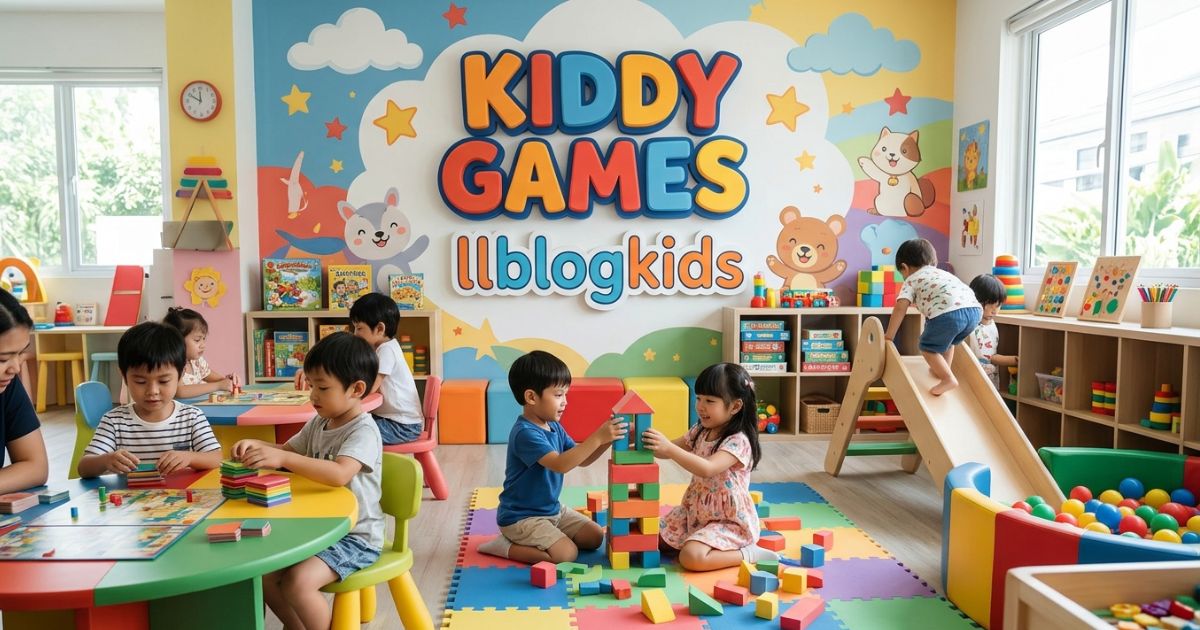
Kiddy games LLBlogKids brings fun and learning together through creative games and engaging activities for children. From colorful puzzles and memory challenges to storytelling and outdoor adventures, these activities make everyday learning more enjoyable. Parents can use educational games for kids to encourage curiosity, creativity, and essential skills without making playtime feel like a classroom lesson.
Whether your child enjoys drawing, counting, building, or exploring nature, the right activities can support healthy development. This guide explores LLBlogKids educational activities, age-appropriate games, and simple ideas families can enjoy at home. Discover how learning through play and child development activities can make every playtime more meaningful.
What Are Kiddy Games LLBlogKids?
Kiddy games llblogkids refers to the idea of combining children’s games with educational activities and playful learning. Parents can explore different activities that encourage children to think, move, communicate, and create. These activities may include puzzles, matching games, counting challenges, storytelling, drawing, and outdoor adventures. The main purpose is to make learning enjoyable through simple experiences. The phrase LLBlogKids is associated with this topic, while LoveLolaBlog may appear in related searches about children’s learning and family activities. However, the keyword alone does not confirm that a specific official game app, platform, or collection exists. It is better to treat it as a topic for discovering useful play ideas rather than assuming every game is hosted on one website.
The best kiddy games give children something interesting to explore while helping them practice useful abilities. A child might sort colorful blocks, complete a picture puzzle, or invent a story about imaginary characters. Each activity offers a different experience. Some games support early number skills, while others encourage teamwork or creative expression. Parents can choose activities based on a child’s age, interests, and abilities. These LLBlogKids learning games can also become part of everyday family life. You do not need expensive toys or complicated equipment. Household objects, picture books, paper, crayons, and safe outdoor spaces can provide plenty of opportunities for enjoyable learning.
Understanding the Kiddy Games LLBlogKids Concept
The idea behind these activities is simple: children learn by exploring the world around them. They touch objects, ask questions, test ideas, and discover how things work. This process supports child learning because children can connect new information with real experiences. For example, a child who builds a tower with blocks can learn about size, balance, shapes, and patterns. A storytelling game can encourage children to describe characters and events in their own words. These experiences make educational content easier to understand because children actively participate instead of only listening.
Main Types of Kiddy Games for Children
Children can enjoy many different types of games at home, school, or outdoors. Memory and matching games encourage children to recognize pictures and remember where objects appear. Puzzles introduce shapes and patterns, while counting games help children practice early mathematics. Drawing and craft activities encourage imagination. Building challenges introduce planning and design. Outdoor games provide opportunities for movement and discovery. These activities can support different learning needs without following a strict classroom structure.
Why Parents Search for LLBlogKids Games and Activities
Parents often look for practical ways to keep children entertained while supporting their development. They may want affordable activities that do not require expensive equipment or long preparation. Others want alternatives to constant screen use. Searches such as Training LLBlogKids for parents and LLBlogKids training hacks by LoveLolaBlog may reflect an interest in guidance about children’s activities and learning routines. In this context, training should mean encouraging useful habits through patient guidance, practice, and positive experiences. It should never mean pressuring children to perform or forcing them to complete activities they dislike.
Why Learning Through Play Matters for Children’s Development
Learning through play gives children a natural way to explore new ideas. They can experiment, make mistakes, and try again without feeling that every activity is a test. A puzzle encourages them to search for the correct pieces. A building game lets them discover why some structures fall while others stay upright. These small experiences can support cognitive development, creativity, and independent thinking. Play also helps children understand everyday situations. For example, pretending to run a shop introduces simple conversations, counting, taking turns, and decision-making. These experiences can make early childhood education more engaging because children learn while doing something they enjoy.
Play also supports social and emotional growth. When children share toys, follow simple rules, or work together, they practice important life skills. They learn that other people may have different ideas and feelings. A group game can also teach patience when someone else takes a turn first. These experiences support emotional development, social awareness, and healthy relationships. Research from the American Academy of Pediatrics explains that play supports children’s development and strengthens relationships with caregivers. Harvard’s Center on the Developing Child also discusses how playful activities can help children practice important thinking skills. Parents can explore these resources through the American Academy of Pediatrics and Harvard University websites.
Cognitive Development and Problem-Solving
Puzzles, matching cards, building blocks, and sorting games encourage children to think carefully. These are useful problem-solving activities for children because they ask young learners to notice details and find solutions. A child completing a puzzle may turn a piece several times before finding its correct position. This process encourages critical thinking and problem-solving skills. It also gives children opportunities to practice memory skills, attention span, and working memory. Parents can support this process by asking simple questions instead of immediately providing answers.
Social and Emotional Development
Playing with siblings, parents, or friends gives children opportunities to practice communication skills. They learn to explain their ideas, listen to others, and follow shared rules. These experiences also support self-control because children must sometimes wait, share, or accept a different result. A cooperative game can teach children to work toward one goal rather than compete against each other. Parents should encourage respectful behavior and explain that losing a game is not a failure. Every activity offers another chance to learn.
Creativity, Imagination, and Independent Thinking
Creative games give children freedom to invent their own ideas. They can draw imaginary animals, build unusual structures, or create stories about different characters. This type of imaginative play encourages creative thinking and independent decisions. Pretend play is especially useful because children can act out familiar situations, such as visiting a shop or preparing a meal. They may also invent new situations that have no connection to everyday life. Parents can support these activities by providing simple materials and allowing children to guide the story.
Physical Development and Coordination
Physical games help children practice balance, movement, and body control. Running, jumping, throwing, dancing, and climbing can improve physical coordination when children participate in safe activities suited to their abilities. Drawing, stacking blocks, and handling age-appropriate craft materials can support fine motor skills. These abilities involve smaller movements of the hands and fingers. Parents can introduce simple movement games, such as freeze dance or a safe obstacle course. The goal is to make movement enjoyable rather than turn every activity into a competition.
Best Educational Games and Activities on LLBlogKids
The best Educational games for kids combine enjoyment with opportunities to practice useful skills. Children do not need a formal lesson to learn something new. A matching game can introduce colors and visual patterns. A family storytelling activity can encourage language development. Building blocks can introduce basic mathematics and simple engineering ideas. These Fun learning activities for children can fit into ordinary family routines. Parents can choose one activity at a time and adjust its difficulty according to the child’s response. The most important thing is to keep the experience interesting and suitable for the child’s age.
There are many ways to organize LLBlogKids educational activities around different interests. Children who enjoy pictures may prefer puzzles and drawing. Those who like movement may enjoy treasure hunts or outdoor challenges. Children interested in stories may enjoy role-playing and reading games. These activities are examples of general educational play ideas, not a confirmed list of games officially hosted by LLBlogKids. Parents can also combine several activities. For example, a child might read a story about animals, draw a favorite animal, and then create a small animal home using building blocks. This approach makes learning more connected and memorable.
Memory and Matching Games for Kids
Memory games are simple to prepare and easy to adjust. Parents can place several picture cards face down and ask children to find matching pairs. Younger children can begin with only a few cards, while older children can handle larger sets. Another option is a memory tray. Place several familiar objects on a tray and let the child study them for a short time. Cover the tray and ask the child to remember what was there. These activities support visual recognition, observation, and memory practice.
Math, Counting, and Number Games
Number and counting games help children understand basic mathematical ideas through real objects. Parents can ask children to count toys, sort buttons by color, or group blocks according to size. Older children can practice simple addition using household objects. For example, placing three toy cars beside two more cars creates an easy counting challenge. These mathematical skills develop through repeated practice. Parents should begin with simple numbers and introduce more difficult challenges when children feel comfortable.
Reading, Letters, and Vocabulary Games
Reading activities for children can make books more interesting. Parents can ask children to identify pictures, predict what happens next, or describe their favorite characters. Alphabet matching and rhyming games can also support early reading. A child might search for objects that begin with the letter B or think of words that rhyme with cat. These games encourage language development, vocabulary development, and reading comprehension. Reading together regularly can also help children develop positive reading habits.
Creative Drawing, Building, and Art Activities
Creative activities for kids do not need expensive supplies. Paper, crayons, cardboard, and safe building materials can provide hours of exploration. Children can draw a dream house, create paper animals, or build a bridge using blocks. These creative building games encourage planning and imagination. They also give children opportunities to solve small problems. If a tower falls, a child can try a wider base or a different arrangement. Parents should focus on the child’s ideas rather than expecting every project to look perfect.
Science and Discovery Games for Children
Simple science activities can introduce children to everyday discoveries. Parents can help children observe how shadows change, watch seeds grow, or compare objects that float and sink. These activities encourage questions and careful observation. A nature walk can become a discovery game when children look for leaves, birds, or different textures. Always choose safe materials and supervise experiments according to the child’s age. Avoid dangerous chemicals, hot equipment, and small objects that may create choking risks.
Cooperative and Family Learning Games
Family games can combine learning with connection. Parents and children can complete a puzzle together, create a shared story, or organize a simple treasure hunt. These cooperative games encourage teamwork because everyone contributes to the same activity. They also provide useful social skills activities for kids. Children learn to listen, share ideas, and respect different opinions. Parents can make the experience more enjoyable by allowing each family member to contribute something.
Fun Indoor and Outdoor Games for Kids
Families do not need a large playroom or expensive playground equipment to enjoy useful activities. Indoor games for kids can turn an ordinary afternoon into a creative experience. Children can build towers, solve puzzles, play guessing games, or create stories with their favorite toys. Outdoor activities provide different opportunities. Children can run, explore nature, play with a ball, or enjoy simple movement challenges. Both settings offer valuable experiences. Parents should choose games based on available space, weather, children’s abilities, and the level of supervision required.
Outdoor games for children can also help families spend more time together. A short walk can become a nature discovery activity. A playground visit can include climbing, balancing, and social interaction. Families without a garden can use a nearby park or suitable open space. When outdoor play is not possible, indoor activities can still provide creativity and movement. These fun indoor and outdoor games for kids should be flexible. A simple game can change according to the number of children, available materials, and the time families have.
Indoor Kiddy Games for Rainy Days
Rainy days provide a good opportunity to explore creative indoor activities. Children can enjoy a picture scavenger hunt, where they search for objects with certain colors or shapes. Building blocks can become a tower challenge. Parents can also arrange a storytelling game in which each person adds one sentence to a shared story. These activities encourage imagination and communication. For movement, families can try a simple dance game or create a safe path using soft, stable objects. Keep walkways clear and avoid slippery surfaces.
Outdoor Games for Active Children
Outdoor play gives children space to move and explore. Hopscotch, ball games, nature walks, and simple relay races are easy options for many families. Parents can introduce a color hunt by asking children to find objects with different colors. Older children may enjoy a nature journal or a simple map-based treasure hunt. Choose safe locations and suitable equipment. Check the weather before outdoor activities and provide drinking water when needed. Children should also use appropriate protection from the sun and follow playground safety rules.
Group Games for Friends and Siblings
Group activities can help children learn how to cooperate. Simon Says, charades, follow-the-leader, and group storytelling are simple choices. A treasure hunt can also become a team challenge when children work together to find clues. These games encourage listening and turn-taking. Parents should explain the rules clearly and make sure every child gets a chance to participate. If children have different ages or abilities, adjust the game so everyone can enjoy it.
No-Equipment Games Parents Can Start Anywhere
Some of the best games require nothing more than conversation. I Spy encourages children to notice colors and objects. Word chains help older children practice vocabulary. Animal guessing games encourage descriptive language. Families can also count passing cars, name objects in a room, or create stories during a journey. These simple child-friendly activities are useful when parents have limited time or supplies. They show that learning opportunities can appear almost anywhere.
How to Choose the Right Kiddy Games for Different Age Groups
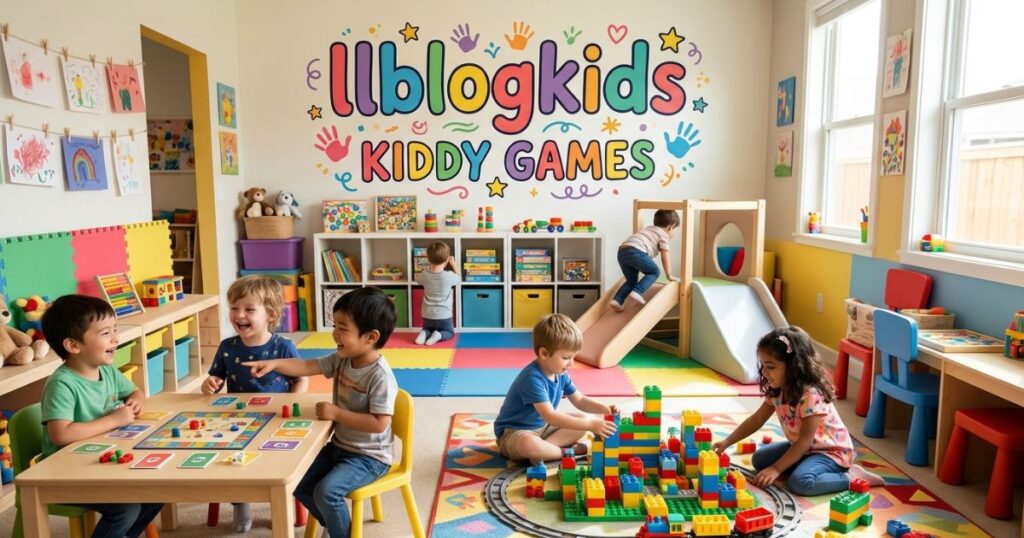
Choosing age-appropriate games for kids helps make play enjoyable and manageable. A game that works well for a nine-year-old may frustrate a toddler. Younger children often need simple instructions, large safe materials, and close supervision. Older children may enjoy more complicated puzzles, strategy games, and independent projects. However, age is only a starting point. Every child develops at a different pace. Parents should also consider interests, confidence, physical abilities, and attention needs when selecting activities.
The following table provides general ideas for different age groups. It is not a strict developmental guide. Parents can simplify or increase the difficulty of each activity according to the child’s abilities. The CDC provides developmental milestone information that can help families understand common changes in children’s movement, communication, and learning. If parents have concerns about a child’s development, they should discuss them with a qualified healthcare professional. Choosing suitable activities should support confidence rather than create pressure.
| Age group | Suggested games | Skills children can practice |
| 1–3 years | Stacking, sorting, picture books, songs | Exploration, recognition, and coordination |
| 3–5 years | Pretend play, counting, simple puzzles | Imagination, early mathematics, and communication |
| 6–8 years | Board games, word games, building challenges | Reasoning, teamwork, and problem-solving |
| 9–12 years | Strategy games, complex puzzles, creative projects | Planning, independent thinking, and collaboration |
Games for Toddlers (Ages 1–3)
Toddlers usually enjoy activities that involve movement, sounds, colors, and familiar objects. Stacking large blocks, looking at picture books, singing songs, and sorting safe toys can provide enjoyable experiences. Parents can name objects and encourage children to point toward familiar pictures. Keep activities short and simple. Avoid small parts and materials that may create choking risks. Close adult supervision is important at this age because toddlers explore objects by touching and sometimes putting them in their mouths.
Educational Games for Preschoolers (Ages 3–5)
Preschoolers often enjoy pretend play, drawing, counting, and simple puzzles. A pretend shop can introduce numbers, conversations, and everyday situations. Children can also sort objects by color, identify basic shapes, or create stories with toys. These fun activities for preschoolers encourage imagination and early learning. Parents should give simple instructions and allow children to explore at their own pace. Repeating a favorite activity is normal and can help children become more confident.
Learning Games for Early Elementary Kids (Ages 6–8)
Children in this age group may enjoy games with clear rules and small challenges. Word games, beginner board games, number puzzles, and building activities can provide useful practice. A simple scavenger hunt can encourage reading and observation when children follow written or picture clues. Parents can also introduce basic science activities with safe materials. Give children enough time to try solutions independently. Offer help when needed without taking control of the activity.
Challenging Games for Older Children (Ages 9–12)
Older children may enjoy more detailed challenges. Strategy board games, complex puzzles, creative writing, building projects, and beginner coding activities can encourage independent thinking. Group challenges can also help them practice collaboration. Parents should consider the child’s interests when selecting activities. Some children enjoy science experiments, while others prefer art, reading, sports, or technology. A suitable challenge should encourage effort without making the child feel overwhelmed.
Adapting Games to Individual Interests and Abilities
Not every child enjoys the same activity. One child may love puzzles, while another prefers movement or storytelling. Parents can adjust rules, use visual instructions, provide extra time, or change materials. A child who finds a large puzzle difficult might begin with fewer pieces. A child who enjoys drawing might create pictures to explain a story. These small changes make age-appropriate activities more accessible and enjoyable. The aim is to help children participate with confidence.
How Kiddy Games LLBlogKids Help Develop Essential Skills
The value of kiddy games llblogkids comes from the different skills children can practice through play. A single activity may involve several abilities at once. Building a tower can encourage planning, creativity, hand control, and problem-solving. A family guessing game can involve memory, communication, and listening. A nature walk can encourage observation and curiosity. These child development activities offer practical experiences that connect learning with everyday life. They do not guarantee specific results, but regular opportunities to practice can support children’s growing abilities.
Parents can make these experiences more useful by observing how children respond. If a child enjoys an activity, allow time for exploration. If the task becomes frustrating, simplify it or offer a break. Encourage children to explain their ideas and try different solutions. These parent-child learning activities can also strengthen family relationships. A calm and supportive approach helps children feel comfortable asking questions and making mistakes. Over time, such experiences can support positive learning habits and confidence.
Communication and Language Skills
Storytelling, role-playing, and guessing games encourage children to express themselves. Parents can ask children to describe a picture, explain a rule, or tell what happened during a game. These activities provide opportunities to practice communication skills and language development. Reading together can also introduce new words and improve understanding. Parents should listen patiently and give children time to finish their thoughts. Simple conversations during play can become valuable learning experiences.
Memory, Attention, and Concentration
Matching games, puzzles, and sequencing activities encourage children to remember information. A child may need to remember where a picture card appeared or which step comes next. These activities provide practice for memory skills, working memory, and concentration. Parents can begin with short games and gradually introduce more complex challenges. Avoid expecting children to focus for long periods when they are tired or uninterested. Breaks are part of a healthy learning experience.
Critical Thinking and Problem-Solving
Children practice critical thinking when they compare choices and decide what to do next. A building challenge may require them to find a stable design. A riddle may encourage them to consider different answers. Parents can ask questions such as, “What else could you try?” or “Why do you think that happened?” These prompts encourage children to explore solutions instead of waiting for instructions. They also help children understand that mistakes can provide useful information.
Fine Motor Skills and Hand-Eye Coordination
Drawing, coloring, stacking blocks, and handling suitable craft materials involve controlled movements. These activities can help children practice fine motor skills and hand-eye coordination. Younger children may enjoy large building pieces, while older children can try more detailed creative projects. Parents should select materials that match the child’s age and abilities. Provide enough space and time for children to complete their work without rushing.
Teamwork, Patience, and Emotional Control
Games with shared rules offer opportunities to practice patience and cooperation. Children learn to wait for turns, listen to other players, and respond when something does not go as planned. These experiences can support self-control, social awareness, and emotional understanding. Parents can model calm behavior when disagreements happen. Instead of focusing only on who wins, recognize helpful actions such as sharing, listening, and encouraging others.
Digital Games vs. Traditional Play: Which Is Better for Children?
The discussion about Digital games vs. traditional games does not have one simple answer. Digital activities can introduce children to interactive puzzles, educational videos, drawing tools, and learning apps. Traditional activities include board games, books, building blocks, outdoor play, and imaginative games. Both formats can offer useful experiences when parents choose carefully. The quality of the activity matters more than the device or toy itself. Parents should consider the child’s age, interests, privacy, and daily routine before choosing digital entertainment.
A healthy balance can give children access to different learning experiences. For example, a child might use an age-appropriate app to explore animal pictures and then read an animal book. Another child might complete a digital puzzle before building a similar design with blocks. These digital games vs traditional play activities do not need to compete with each other. Parents can combine them while making room for movement, sleep, family interaction, and independent play. The American Academy of Pediatrics offers guidance to help families make thoughtful media choices based on children’s needs and ages.
Benefits of Digital Educational Games
Digital games can offer interactive feedback and adjustable difficulty. Some apps introduce letters, numbers, shapes, music, and problem-solving challenges. Children may also enjoy drawing tools and creative programs. However, parents should check whether an app provides meaningful learning experiences. Look for clear instructions, suitable content, limited advertising, and appropriate privacy practices. Review in-app purchases and communication features before allowing children to use a new app. Digital learning tools should support other activities rather than replace every form of play.
Benefits of Traditional Games and Hands-On Activities
Traditional play gives children direct opportunities to touch, move, build, and communicate. Board games can encourage turn-taking. Building blocks can introduce shapes and balance. Outdoor games provide physical movement and opportunities to explore nature. Books and storytelling encourage language and imagination. These experiences can support hands-on learning because children interact with real objects and people. Traditional activities also make it easier for families to participate together without relying on a screen.
Screen Time and Healthy Digital Habits
Parents should think about the type of screen activity, not only the amount of time spent using a device. An educational app used with an adult offers a different experience from watching random videos for long periods. Families can create clear media rules that protect sleep, meals, movement, and family time. This is part of effective screen time management. The American Academy of Pediatrics recommends considering a child’s age, content, and family circumstances when making media plans. Parents should review current guidance rather than assume one time limit suits every child.
How to Balance Screen-Based and Offline Play
A simple way to balance digital and traditional activities is to connect them. After using an educational game about shapes, children can search for those shapes around the home. After watching an age-appropriate nature lesson, they can draw a plant or observe leaves outside. These activities connect screen-based information with real experiences. Parents can also keep books, puzzles, art supplies, and building toys available. A varied routine helps children explore different interests.
How Parents Can Make Playtime More Educational and Meaningful
Parents do not need special teaching skills to make playtime meaningful. They can support learning by listening, asking questions, providing suitable materials, and showing interest in children’s ideas. A simple drawing activity can become a conversation about colors, shapes, and stories. Cooking together can introduce counting and measurements. A short walk can become an opportunity to observe plants and animals. These educational activities at home show children that learning can happen beyond school. The best approach is to encourage curiosity without turning every activity into a formal lesson.
The phrase How to play with a child LLBlogKids can be understood as a search for practical ways to join children’s activities. Parents can sit beside a child, follow their ideas, and participate when invited. They can also use How to train children LLBlogKids and How to train a child LLBlogKids as search variations for guidance about encouraging positive learning habits. However, children do not need strict training to enjoy educational play. Patient guidance, repetition, encouragement, and suitable activities are more helpful than pressure. Parents should allow children to make choices and learn at their own pace.
Let Children Choose Their Favorite Activities
Giving children choices can make playtime more enjoyable. Parents might offer drawing, building blocks, reading, or an outdoor game and let the child select one. This small decision encourages independence and gives parents a better understanding of the child’s interests. Children may also become more involved when they help choose the activity. Parents should still make sure the options are safe and suitable for the child’s age.
Use Open-Ended Questions During Play
Questions can encourage children to explain their ideas. Instead of asking only whether an answer is correct, parents can ask, “What do you think will happen next?” or “How could we make this tower stronger?” These questions encourage observation and creative thinking. They also provide opportunities to practice communication. Give children time to answer. Sometimes a quiet moment helps them think more carefully.
Turn Everyday Tasks Into Learning Games
Ordinary household activities can become simple learning experiences. Children can count apples while helping with groceries, identify colors during laundry, or sort toys before bedtime. Cooking with adult supervision can introduce measurements and simple sequences. Gardening can encourage observation and nature exploration. These home learning ideas for kids require little preparation. Parents should choose safe tasks and give children responsibilities that match their ages and abilities.
Encourage Effort Instead of Focusing Only on Winning
Children need encouragement when they try something difficult. Parents can recognize patience, creativity, teamwork, and persistence. For example, praise a child for trying a different puzzle strategy instead of focusing only on finishing first. This is a form of positive reinforcement that highlights useful behavior. It can help children feel more confident about trying new activities. Avoid comparing siblings or making every game a competition.
Make Time for Independent and Family Play
Children benefit from both shared and independent activities. Family play provides opportunities for conversation and connection. Independent play gives children time to explore their interests and create their own games. Parents can remain nearby while allowing children to lead safe activities. The right balance depends on age, maturity, and the type of game. Younger children generally need more direct supervision.
Safety Tips and Common Mistakes to Avoid During Children’s Playtime
A good play activity should be enjoyable and suitable for the child’s abilities. Parents should check toys, materials, and surroundings before starting a game. Small parts can create choking risks for young children. Unstable furniture, sharp objects, and slippery surfaces can cause injuries. Outdoor activities also require attention to weather, traffic, playground equipment, and water safety. A safe learning environment allows children to explore while adults manage risks. Supervision should match the child’s age and the activity involved.
Parents should also avoid making playtime too demanding. A game that is too difficult can create frustration instead of enjoyment. Constant correction can make children less willing to experiment. Digital activities need attention too. Some apps collect personal information, show advertisements, or encourage purchases. Parents should review these features before allowing children to use them. Good safety habits protect both physical and emotional well-being. They also help families create more positive experiences with kiddy games and educational activities.
Choose Age-Appropriate Toys and Game Materials
Always check toy labels and age recommendations before giving children new materials. Look for small pieces, sharp edges, loose parts, and other possible hazards. Younger children should not play with objects that could cause choking. Craft supplies should also match the child’s age and abilities. Parents should follow product instructions and remove damaged toys from the play area. When choosing games, safety should come before appearance or popularity.
Prepare a Safe Indoor and Outdoor Play Area
Before starting an activity, clear the area of sharp objects and unnecessary obstacles. Make sure furniture and equipment are stable. Outdoor spaces should have suitable surfaces and enough room for movement. Parents should inspect playground equipment before children use it. Water activities require close supervision. Weather conditions also matter. Provide suitable clothing, drinking water, and sun protection when necessary.
Avoid Overly Complicated Games and Unrealistic Expectations
Children should not feel pressured to complete every activity perfectly. If a game becomes confusing, explain the rules again or make the task simpler. Some children need more time to understand instructions. Others may lose interest quickly and prefer a different activity. Parents should avoid comparing children’s abilities. A supportive approach helps children enjoy learning without unnecessary stress.
Supervise Children During Riskier Activities
Activities involving water, climbing, cooking, tools, or unfamiliar equipment need suitable adult supervision. The level of supervision depends on the child’s age and experience. Never assume that a child understands every possible danger. Parents should explain basic safety rules before starting. Use child-safe equipment and follow instructions carefully. For younger children, stay close enough to respond immediately when needed.
Protect Children’s Privacy During Digital Play
Parents should review privacy settings before children use online games or apps. Check whether a service collects names, photos, location information, or other personal details. Be careful with chat features and contact from strangers. Review advertising and in-app purchases too. Children should understand that they should not share personal information online without permission. Good digital habits are an important part of responsible educational technology use.
Recognize When a Child Needs a Break
Children may become tired, frustrated, or overstimulated during play. They might stop paying attention, become upset, or lose interest in an activity. Parents should recognize these signs and offer a break. A quieter activity, a snack, or some rest may help. There is no need to force a child to finish a game. Play should remain a positive experience.
How to Create a Daily Learning and Play Routine for Kids
A daily play routine for children can help families make room for learning, movement, creativity, and relaxation. It does not need to follow a strict timetable. Parents can build activities around school, meals, family responsibilities, and bedtime. A short reading session, an outdoor game, or a simple puzzle can provide meaningful experiences. The goal is to create a flexible routine that children can enjoy. Families should also leave enough time for rest and unstructured play. A balanced routine supports healthy learning habits without making every moment feel like a lesson.
An effective routine includes different types of activities. Children might read in the morning, enjoy outdoor movement after school, and play a family game in the evening. These experiences support different interests and abilities. Parents can repeat favorite activities while introducing new ideas from time to time. A flexible schedule is especially useful for busy families. It allows parents to adjust plans when schoolwork, weather, or other responsibilities change. The best routine is one that fits the family’s real life and gives children room to explore.
Plan a Mix of Learning, Movement, and Creative Play
A balanced routine should include reading, movement, creative projects, and social interaction. Parents can introduce a short puzzle after breakfast, outdoor play later in the day, and storytelling before bedtime. Children who enjoy art may prefer drawing or craft activities. Others may enjoy building games or simple science challenges. Variety helps children explore different interests. It also prevents the routine from becoming repetitive.
Example of a Simple Daily Play Schedule
The following schedule provides an example for a school-age child. Families can change the timing according to school hours, homework, meals, and other responsibilities.
| Part of the day | Suggested activity | Main purpose |
| Morning | Drawing or a short puzzle | Creativity and concentration |
| After school | Outdoor play or movement | Physical activity |
| Afternoon | Reading or educational games | Language and learning |
| Evening | Family board game or storytelling | Communication and connection |
| Before bed | Quiet reading | Relaxation and reading habits |
Keep Activities Flexible for Busy Families
Some days are busier than others. Parents can use short activities when they have limited time. A five-minute guessing game, a quick story, or a simple counting challenge can still provide an enjoyable experience. Families can also keep reusable materials in one place. A small box with crayons, paper, puzzles, and safe building pieces makes preparation easier. Flexibility helps parents maintain a routine without adding unnecessary pressure.
Encourage Unstructured Play and Rest
Children need time to explore their own ideas. Unstructured play allows them to choose what to do without following detailed instructions. They might build a pretend house, create a story, or arrange toys in a new way. This freedom can encourage imagination and independent thinking. Rest is equally important. Children need suitable sleep and quiet periods as part of a healthy routine. A good schedule makes room for both activity and relaxation.
Conclusion
Kiddy games llblogkids offers a useful starting point for exploring educational games and enjoyable activities for children. Puzzles, storytelling, drawing, counting games, building challenges, and outdoor adventures can all create opportunities to learn. Different activities support different abilities. Some encourage communication and memory, while others introduce movement, creativity, and teamwork. Parents can choose games according to each child’s age, interests, and abilities. They can also combine digital learning with traditional play to create a balanced experience.
The most important part of children’s play is not winning or finishing every activity. It is the chance to explore, ask questions, and enjoy new experiences. Start with games your child likes and introduce new challenges gradually. Offer encouragement, provide safe materials, and allow room for independent ideas. With patience and consistency, simple parent-child interaction can turn ordinary moments into valuable learning opportunities. Make play enjoyable, keep expectations realistic, and let curiosity lead the way.
FAQ’s About Kiddy Games llblogkids
What Is LLBlogKids Educational by LoveLolaBlog?
LLBlogKids educational by LoveLolaBlog refers to ideas and activities that combine children’s learning with fun, creativity, and everyday experiences.
What Can Children Learn from LLBlogKids Educational Activities?
Children can practice communication, problem-solving, creativity, reading, counting, teamwork, and independent thinking through engaging activities.
Are LLBlogKids Educational Activities Only for School Subjects?
No. They can also include storytelling, arts and crafts, outdoor exploration, social skills, imaginative play, and everyday life lessons.
Do Children Need Worksheets to Learn Effectively?
No. Children can learn through games, puzzles, conversations, building activities, reading, and hands-on experiences without using worksheets.
Can Technology Be Part of LLBlogKids Educational Learning?
Yes. Age-appropriate educational apps, interactive games, and digital storytelling can support learning when parents manage screen time and supervise use.
People Read Also: InSnoop: What Is It, How Does It Work, and Is It Safe to Use? (2026 Guide)

My name is M.Adil, I am specialize in creating thoughtful digital content that informs, inspires, and engages readers worldwide. Every piece is written with care and originality.
1 thought on “Kiddy Games LLBlogKids: Fun Educational Games and Activities for Children”