

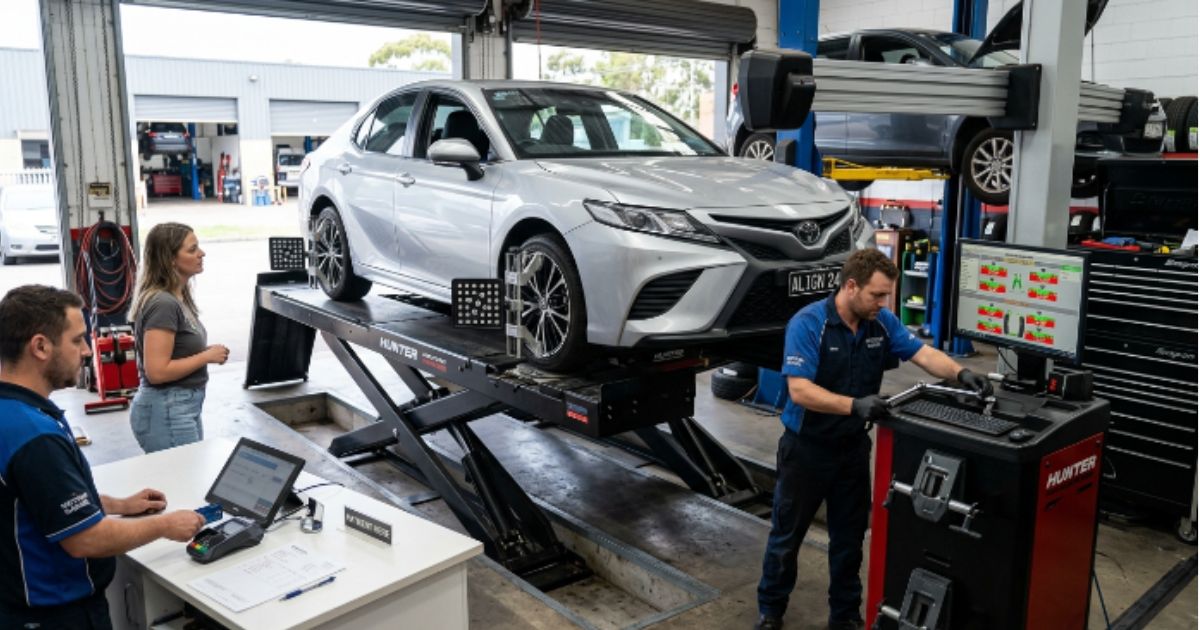
Choosing the right Wheel Alignment Cost service is one of the smartest investments you can make for your vehicle. Proper vehicle alignment keeps your car driving straight, improves handling, and helps your tires wear evenly. While the average wheel alignment cost in the United States typically ranges from $50 to $200, the final price depends on your vehicle, the type of alignment, and your chosen repair shop.
Understanding the cost of wheel alignment also helps you avoid unnecessary expenses caused by premature tire wear and suspension problems. In this guide, you’ll learn what affects wheel alignment price, what the service includes, and practical ways to save money while keeping your car safe, efficient, and road-ready.
What Is Wheel Alignment?
How Wheel Alignment Works
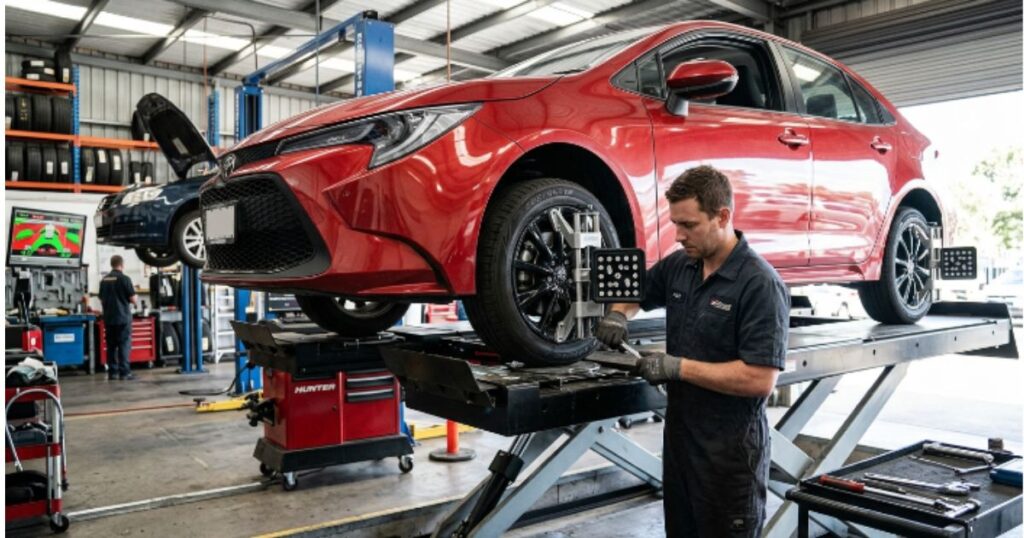
A vehicle wheel alignment is the process of adjusting your car’s suspension so every wheel points in the correct direction. Many people think technicians adjust the tires themselves. That’s not true. Instead, they fine-tune the suspension system that connects the wheels to your vehicle. This process ensures each tire sits at the correct angle and makes proper contact with the road. A professional mechanic uses an alignment machine to measure the position of each wheel before making precise changes. Once completed, your car drives straighter, responds better to steering, and experiences less unnecessary tire wear.
Think of your car like a shopping cart. If one wheel points in a different direction, the cart constantly pulls to one side. The same thing happens with your vehicle. Even a small alignment issue can create uneven tire wear, increase fuel consumption, and reduce driving comfort. That’s why experts recommend regular wheel alignment maintenance as part of routine vehicle care.
The Three Main Alignment Angles: Camber, Caster, and Toe
Every professional wheel alignment focuses on three important measurements called Camber, Caster, and Toe. These measurements determine how your tires meet the road and how your vehicle handles while driving.
| Alignment Angle | What It Means | Why It Matters |
| Camber | The inward or outward tilt of the wheel | Prevents uneven tire wear and improves cornering |
| Caster | The angle of the steering pivot | Improves straight-line stability and steering control |
| Toe | The direction the tires point compared to each other | Reduces tire wear and keeps the vehicle tracking straight |
These three measurements work together to create proper steering geometry, correct suspension geometry, and accurate wheel angles. Mechanics compare these readings with the manufacturer’s alignment specifications and manufacturer specifications before making alignment adjustments. Even a tiny change can improve better vehicle handling, increase vehicle stability, and create a smoother ride.
Types of Wheel Alignment (Two-Wheel vs. Four-Wheel)
Not every vehicle needs the same type of alignment. Older cars and many front-wheel-drive vehicles often require a front-end alignment, also called a front wheel alignment or two-wheel alignment. This service adjusts only the front wheels because the rear wheels cannot be adjusted on many older suspension systems. The two-wheel alignment cost is usually lower, making it a budget-friendly option for eligible vehicles.
Modern vehicles, SUVs, luxury cars, trucks, and all-wheel-drive models generally require a four-wheel alignment. During this service, technicians adjust both the front and rear wheel alignment settings to ensure perfect wheel tracking. Some vehicles also require a thrust angle alignment to keep the rear axle aligned with the front wheels. Although the four-wheel alignment cost is higher, it delivers better accuracy, improved safety, and longer tire life.
How Much Does a Wheel Alignment Cost?
Average Wheel Alignment Cost in the USA
The Wheel Alignment Cost in the United States usually ranges between $50 and $200 depending on your vehicle and the type of service you need. The average wheel alignment cost for a standard passenger car falls between $75 and $120. Most drivers pay around $50 to $100 for a front-end alignment cost, while a four-wheel alignment cost typically ranges from $100 to $200. Luxury vehicles and high-performance models often cost more because they require specialized equipment and additional labor.
The table below shows the typical alignment service cost in the United States.
| Service Type | Typical Price Range |
| Front-end alignment cost | $50–$100 |
| Two-wheel alignment cost | $50–$100 |
| Four-wheel alignment cost | $100–$200 |
| Luxury car alignment cost | $150–$300+ |
| Wheel alignment inspection | Often free with service or $20–$50 |
These prices represent the average price of wheel alignment across the U.S. However, your final tire alignment price may change based on your location, vehicle condition, and the repair shop you choose.
Two-Wheel vs. Four-Wheel Alignment Price Comparison
The biggest difference between these services is the amount of work involved. A two-wheel alignment focuses only on the front suspension. It usually takes less time and requires fewer adjustments. In contrast, a four-wheel alignment measures and adjusts all four wheels to ensure perfect balance and accurate wheel tracking. Many modern vehicles need this service because both axles affect steering performance and stability.
The comparison below makes the differences easy to understand.
| Feature | Two-Wheel Alignment | Four-Wheel Alignment |
| Wheels Adjusted | Front only | Front and rear |
| Average Cost | $50–$100 | $100–$200 |
| Best For | Older vehicles | Modern cars, SUVs, AWD, luxury models |
| Time Required | 30–45 minutes | 45–60 minutes |
| Overall Accuracy | Good | Excellent |
Although the four-wheel alignment cost is higher, it often saves money over time because it helps extend tire life, reduces mechanical wear, and provides better traction.
Dealership vs. Independent Auto Shop Pricing
Where you choose to service your car also affects the wheel alignment charges. Dealerships usually charge higher rates because they employ factory-trained technicians and use brand-specific equipment. The dealer wheel alignment price commonly ranges from $120 to $250 depending on the vehicle brand. Luxury manufacturers may charge even more because of advanced suspension systems.
An independent repair facility often offers a more affordable wheel alignment without sacrificing quality. The local auto shop alignment cost generally falls between $70 and $150. Many shops also offer wheel alignment packages, alignment service plans, or even lifetime wheel alignment options for drivers who plan to keep their vehicles for several years. Before choosing a repair shop, compare prices, ask whether an alignment inspection is included, and request an alignment report after the work is complete. That simple step helps you understand exactly what the technician adjusted and confirms your car now meets factory standards.
Factors That Affect Wheel Alignment Cost
Vehicle Make, Model, and Size
The Wheel Alignment Cost isn’t the same for every vehicle. A compact sedan usually costs less to align than a full-size SUV or heavy-duty truck. That’s because larger vehicles often have more complex suspension systems and require extra time to adjust. The wheel alignment cost by vehicle type can also change if your car uses advanced steering technology or performance suspension components. In most cases, a family sedan receives a standard auto wheel alignment at a lower price than a luxury sports car.
Premium brands often require specialized tools and factory-approved procedures. As a result, the luxury car alignment cost is usually much higher than the price for a standard vehicle. Some models also require additional steering alignment checks or electronic calibration after the mechanical adjustments are complete. Although the service may cost more, following the manufacturer’s recommendations protects your investment and helps maintain excellent driving performance.
Alignment Type and Suspension Design
The type of alignment your vehicle needs plays a major role in the final bill. A simple front-end alignment takes less time because technicians adjust only the front wheels. Modern vehicles with independent rear suspension usually require a four-wheel alignment, which involves checking and adjusting both axles. This process improves wheel tracking, restores proper vehicle stability, and ensures every tire meets the road at the correct angle.
Suspension design also affects the amount of labor required. Vehicles with adjustable rear suspension, performance packages, or electronic steering systems often need more detailed alignment calibration. During the service, technicians inspect steering components, suspension components, ball joints, tie rods, and control arms before making any changes. If these parts show excessive wear, they must be repaired before accurate alignment becomes possible.
Labor Rates and Your Location
Where you live has a direct impact on alignment pricing. Repair shops in large cities generally charge more because operating expenses and labor costs are higher. Smaller towns often offer lower rates for the same wheel alignment service. Even within the same city, prices can vary depending on the shop’s reputation, equipment, and technician experience.
Choosing the lowest price isn’t always the best decision. A shop using a modern digital alignment system and certified technicians may charge slightly more, yet the results are usually more accurate. Better equipment produces more precise measurements and helps reduce the chance of repeat visits. Spending a little extra on quality service often saves money in the long run because your tires wear evenly and your steering performs exactly as it should.
Additional Repairs That Can Increase the Cost
Sometimes an alignment appointment uncovers problems that weren’t obvious before. If technicians find damaged suspension parts or worn steering components, they must repair those issues first. Otherwise, the alignment won’t stay within factory settings. These repairs create additional alignment costs, but they also prevent bigger problems later.
The table below shows common repairs that may increase your total bill.
| Additional Service | Why It May Be Needed | Typical Impact on Cost |
| Suspension repair costs | Worn shocks, struts, or bushings | Moderate to High |
| Axle repair | Bent or damaged axle | High |
| Tire balancing cost | Corrects uneven weight distribution | Low to Moderate |
| Replacement ball joints | Removes steering play | Moderate |
| New tie rods | Restores steering accuracy | Moderate |
| New control arms | Fixes suspension wear | High |
While these repairs increase the initial expense, they also improve road safety, restore brake stability, and prevent expensive tire damage later. A complete cost breakdown from your repair shop helps you understand exactly where your money goes and allows you to make informed decisions.
What Does a Professional Wheel Alignment Include?
Vehicle Inspection Before Alignment
Every professional wheel alignment begins with a detailed inspection rather than immediate adjustments. The technician checks tire condition, air pressure, suspension parts, and steering components to make sure everything works correctly. This wheel alignment inspection helps identify hidden issues that could affect the results. If the mechanic notices loose tie rods, worn ball joints, damaged control arms, or signs of suspension damage, those problems should be repaired before the alignment starts.
The inspection also includes looking for warning signs such as uneven tire wear, rapid tire wear, car pulling to one side, crooked steering wheel, off-center steering wheel, steering wheel vibration, vehicle shaking, poor handling, or tire squealing. These symptoms often indicate that the wheels no longer meet factory specifications. Catching these issues early prevents unnecessary tire replacement and helps maintain a safer driving experience.
Computerized Alignment Measurements and Adjustments
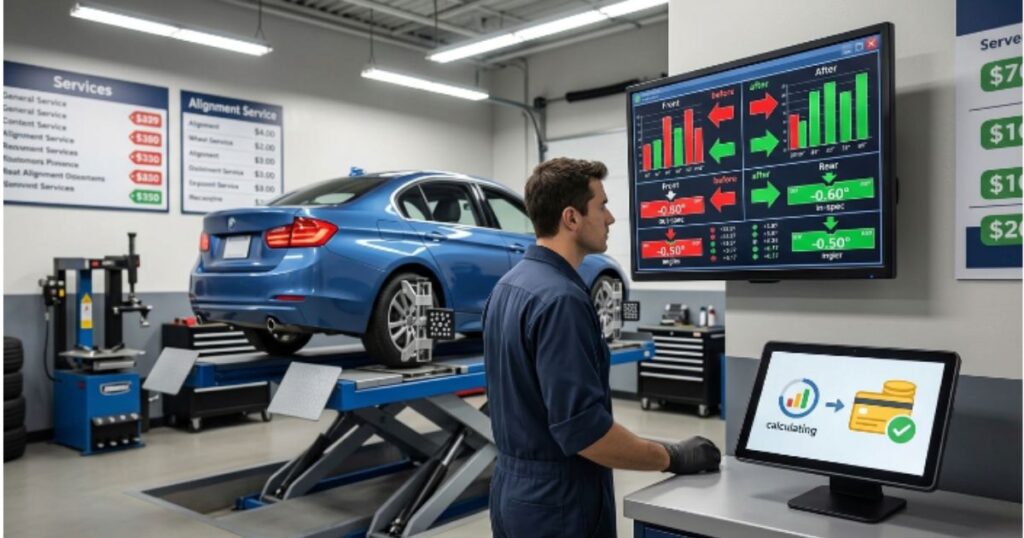
After the inspection, the vehicle is placed on an advanced alignment machine that measures every wheel with incredible accuracy. Most modern repair shops use computerized wheel alignment equipment connected to a digital alignment system. The machine compares your vehicle’s current settings with the manufacturer’s alignment specifications and displays exactly where adjustments are needed.
The technician then performs careful alignment adjustments by correcting the Camber, Caster, Toe, and Thrust angle according to factory requirements. Some modern vehicles also require steering angle sensor calibration, ADAS calibration, or additional alignment calibration after mechanical adjustments. These procedures ensure safety systems continue working properly and help restore better vehicle handling, improved steering, better traction, and driving stability.
Final Test Drive and Alignment Report
Once every adjustment is complete, the technician performs a test drive to confirm that the vehicle drives straight and responds correctly. During this road check, they verify steering feel, braking stability, and overall handling. If the steering wheel remains centered and the vehicle no longer drifts, the alignment has been successfully completed.
Before returning the vehicle, most professional shops provide a before-and-after alignment report. This document compares the original measurements with the final settings after adjustment. It clearly shows how each wheel changed and confirms that every angle now matches factory standards. Keeping this alignment report with your service records is a smart idea because it documents your preventive maintenance, supports future warranty claims when applicable, and helps you follow a proper wheel alignment schedule for years to come.
Signs Your Car Needs a Wheel Alignment
Uneven or Rapid Tire Wear
Your tires often reveal alignment problems before your steering does. If you notice uneven tire wear, worn edges, or patches that disappear faster than the rest of the tread, your wheels may no longer point in the correct direction. Even a small alignment problem forces the tires to slide across the road instead of rolling smoothly. Over time, this creates rapid tire wear and shortens tire longevity. Replacing a full set of tires costs far more than paying the Wheel Alignment Cost, which makes regular inspections a smart investment.
You can perform a quick check at home. Park your car on a flat surface and compare the tread across all four tires. If one side looks smoother than the other, schedule a wheel alignment service as soon as possible. Catching the problem early helps extend tire life, lowers future repair bills, and keeps your vehicle safe on the road.
Vehicle Pulls Left or Right
One of the clearest signs of poor vehicle alignment is car pulling to one side while driving on a straight road. You shouldn’t have to fight the steering wheel to keep your car centered. If your vehicle drifts left or right without strong wind or road slope, the wheels are likely out of alignment. This problem usually develops after hitting potholes, curbs, or rough roads.
Ignoring this issue places extra stress on your tires and steering system. It also reduces better road contact, making the vehicle harder to control during emergency maneuvers. A quick professional wheel alignment restores proper wheel tracking, improves vehicle stability, and helps your car travel in a straight line with less effort.
Crooked Steering Wheel or Steering Wheel Vibration
A centered steering wheel should stay straight while your vehicle moves forward. If you notice a crooked steering wheel or an off-center steering wheel, your alignment may need adjustment. Another common warning sign is steering wheel vibration, especially at highway speeds. While tire balance can also cause vibrations, poor alignment often contributes to the problem.
Professional technicians inspect both the alignment and steering system before making repairs. They check every important part, including steering components, tie rods, and ball joints, to make sure nothing is loose or damaged. Correcting the alignment restores improved steering, increases driving confidence, and makes every trip more comfortable.
Poor Handling and Reduced Driving Comfort
Driving should feel smooth and predictable. If your car suddenly feels unstable during turns or reacts slowly when you steer, don’t ignore the warning signs. Poor handling, excessive body movement, or unusual noises may indicate alignment or suspension problems. Some drivers also hear tire squealing during slow turns because the tires no longer roll at the correct angle.
A proper car wheel alignment improves passenger comfort, creates a smoother ride, and restores driving stability. It also reduces unnecessary strain on suspension parts. Regular inspections keep small problems from becoming major repairs and ensure your vehicle continues to perform as the manufacturer intended.
Why Wheel Alignment Is Important
Extends Tire Life
Your tires are one of the most expensive maintenance items on any vehicle. When the wheels remain properly aligned, the tires roll evenly across the road instead of dragging sideways. This simple adjustment helps extend tire life, reduces reduced tire wear, and protects your investment for thousands of extra miles. Even a slight alignment problem can wear out new tires much sooner than expected.
Think of it like wearing a pair of shoes. If you constantly walk with one foot turned outward, one side of the sole wears down much faster. Tires behave the same way. Routine wheel alignment maintenance keeps every tire working together, improves better traction, and saves money over the long term.
Improves Fuel Efficiency
Misaligned wheels create extra rolling resistance. That means your engine must work harder to move the vehicle forward. More effort requires more fuel, which slowly increases your driving costs. A properly aligned vehicle reduces reduced rolling resistance, helps improve fuel efficiency, and delivers better fuel economy on both city streets and highways.
Although the savings may seem small at first, they add up throughout the year. Drivers who travel long distances often notice the biggest difference. Spending money on a wheel alignment service today can reduce fuel expenses tomorrow while improving the overall performance of your vehicle.
Enhances Safety and Steering Control
Good alignment isn’t just about comfort. It’s an important part of safe driving. Proper wheel positioning allows your vehicle to respond quickly when you turn the steering wheel or apply the brakes. It also improves brake stability, especially during sudden stops or emergency lane changes. When every wheel points in the correct direction, your vehicle remains more predictable in both dry and wet conditions.
Poor alignment reduces control and increases the chance of accidents. A professional wheel alignment restores better vehicle handling, supports road safety, and gives you greater confidence behind the wheel. Whether you’re driving across town or taking a long highway trip, correct alignment helps keep you and your passengers protected.
Prevents Costly Suspension and Steering Repairs
Ignoring alignment issues doesn’t just damage tires. It also places extra pressure on your suspension and steering system every time you drive. Over time, that constant stress speeds up mechanical wear and may lead to expensive repairs involving suspension components, control arms, tie rods, or ball joints. Fixing these parts often costs several times more than a routine alignment.
Regular preventive maintenance helps detect small issues before they become major problems. Following a proper wheel alignment schedule also reduces the risk of suspension damage and extends the life of important steering parts. In simple terms, paying for a routine alignment today can help you avoid much larger repair bills in the future.
Wheel Alignment vs. Wheel Balancing: What’s the Difference?
What Is Wheel Balancing?
Many drivers confuse Wheel alignment vs wheel balancing, but these services solve different problems. Tire balancing focuses on the weight of the tire and wheel assembly. Even a brand-new tire can have small weight differences that cause vibrations while driving. During balancing, a technician places the wheel on a balancing machine and attaches small weights to create perfect balance. This process reduces vibration and helps the tires rotate smoothly at every speed.
A wheel alignment service, on the other hand, adjusts the direction and angle of the wheels. It ensures the tires point exactly where the manufacturer intended. If your steering wheel shakes at higher speeds, balancing may solve the problem. If your vehicle drifts to one side or your tires wear unevenly, you likely need an alignment instead. Sometimes your car needs both services to restore smooth performance.
Key Differences Between Wheel Alignment and Wheel Balancing
Although these services work together, they have different purposes. Understanding the difference helps you choose the right repair and avoid unnecessary expenses. Many repair shops recommend both services during tire replacement because they improve driving quality and help your tires last longer.
| Feature | Wheel Alignment | Wheel Balancing |
| Purpose | Adjusts wheel direction | Balances tire weight |
| Main Focus | Suspension angles | Wheel and tire weight |
| Solves | Pulling, uneven wear, steering issues | Vibrations at speed |
| Equipment Used | Alignment machine | Wheel balancing machine |
| Recommended After | Suspension work, potholes, curb impact | New tires, tire repairs |
| Main Benefit | Better handling and tire life | Smooth driving experience |
When comparing Alignment vs balancing, remember that alignment corrects your vehicle’s direction while balancing corrects tire rotation. Both services improve comfort, yet they address different mechanical issues.
When You Need One or Both Services
There are times when only one service is necessary. For example, if your steering wheel stays straight but vibrates at highway speeds, tire balancing may be enough. However, if you notice car pulling to one side, crooked steering wheel, or uneven tire wear, a professional wheel alignment is the better solution. After replacing suspension parts or repairing steering components, mechanics also recommend checking the alignment to ensure everything remains within factory specifications.
Many drivers benefit from scheduling both services together. This approach improves handling, reduces tire wear, and creates a smoother driving experience. When comparing Suspension repair vs alignment, remember that damaged suspension parts must be repaired before technicians can perform an accurate alignment. Fixing the root cause first ensures the alignment lasts longer and protects your tires from future damage.
How Often Should You Get a Wheel Alignment?
Recommended Mileage and Service Intervals
One of the most common questions drivers ask is How often should you get a wheel alignment. Most automotive experts recommend an Annual wheel alignment or checking the alignment every Every 10,000 miles to Every 12,000 miles. Following this schedule helps keep your tires wearing evenly and allows technicians to detect small problems before they become expensive repairs. If you drive on rough roads or frequently hit potholes, you may need inspections more often.
Routine maintenance isn’t just about fixing problems after they appear. A regular Routine alignment inspection keeps your steering accurate and your suspension working properly. Adding alignment checks to your normal service visits creates an effective Wheel alignment schedule that protects both your tires and suspension over the long term.
Situations That Require an Immediate Alignment
Sometimes waiting for your next scheduled service isn’t the best choice. Certain driving conditions can knock your wheels out of alignment almost instantly. Hitting a deep pothole, striking a curb, driving over road debris, or being involved in a minor accident can all affect your suspension geometry. Even if the damage isn’t visible, the wheel angles may no longer match factory settings.
You should also schedule an inspection after installing new suspension parts, replacing steering components, or purchasing new tires. A quick vehicle wheel alignment after these repairs ensures every component works together correctly. Acting early prevents unnecessary tire wear and helps maintain safe handling in all driving conditions.
Can You Drive with Bad Wheel Alignment?
Technically, you can continue driving with poor alignment. However, doing so isn’t a good idea. A vehicle with bad alignment becomes harder to control over time. The tires wear unevenly, fuel consumption increases, and important suspension parts experience additional stress. What begins as a minor steering issue can quickly become an expensive repair if ignored.
The table below shows why delaying alignment can cost more than fixing it early.
| Driving with Bad Alignment | Possible Result |
| Uneven tire contact | Faster tire replacement |
| Increased rolling resistance | Higher fuel costs |
| Constant steering correction | Driver fatigue |
| Extra stress on suspension | Costly suspension repairs |
| Poor vehicle control | Reduced safety |
Scheduling a wheel alignment inspection as soon as you notice warning signs is the smartest choice. A relatively small Wheel Alignment Cost today can help you avoid much larger repair bills tomorrow while keeping your vehicle safe, comfortable, and reliable on every trip.
How to Save Money on Wheel Alignment
Compare Prices Before Booking
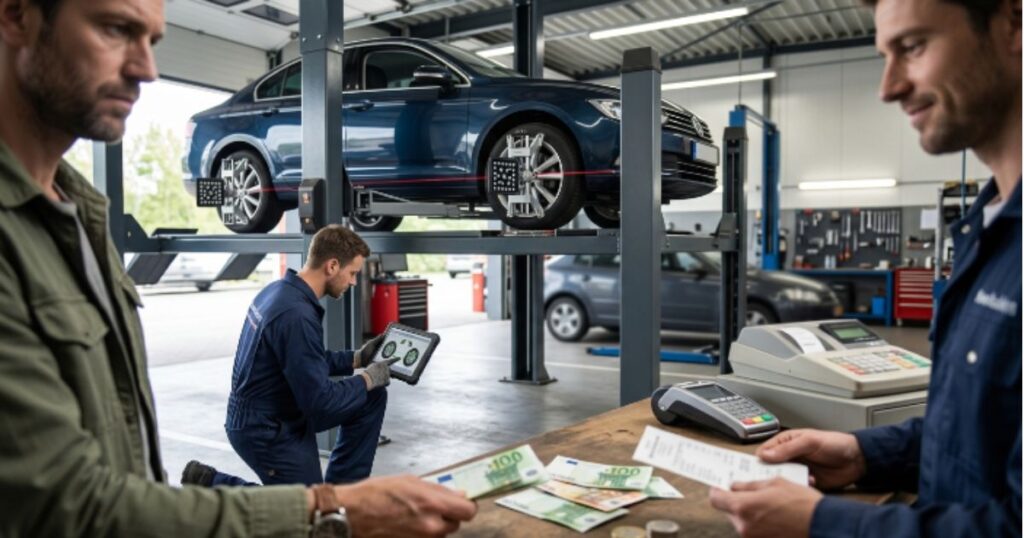
The easiest way to reduce your Wheel Alignment Cost is to compare prices before scheduling an appointment. Repair shops don’t always charge the same amount for the same service. One shop may include a wheel alignment inspection and an alignment report, while another charges extra for them. Spending a few minutes comparing local prices can help you find quality service at a fair rate without sacrificing workmanship.
Search online for wheel alignment near me and read recent customer reviews before making your choice. Ask each shop whether the quoted price includes the complete alignment, the inspection, and the final report. A slightly higher price often provides better value if the shop uses modern equipment and experienced technicians.
Use Coupons, Discounts, and Lifetime Alignment Plans
Many repair shops offer seasonal promotions that lower the wheel alignment charges. You may also find discounts when purchasing new tires or scheduling multiple maintenance services at the same time. These offers make it easier to receive a high-quality tire alignment service without stretching your budget.
If you plan to keep your vehicle for several years, consider wheel alignment packages, alignment service plans, or a lifetime wheel alignment program. These plans usually allow unlimited alignments for a one-time fee. Drivers who travel long distances or frequently drive on rough roads often save hundreds of dollars over the life of their vehicle.
Combine Alignment with Tire Maintenance Services
Scheduling related maintenance together is another smart way to save money. Many repair shops offer discounted pricing when you combine a wheel alignment service with tire rotation or balancing. Since the wheels are already removed during some services, completing everything during one visit often reduces labor time and lowers your overall maintenance costs.
The table below shows how combining services can provide better value.
| Service Combination | Main Benefit |
| Wheel alignment + Tire rotation | More even tire wear |
| Wheel alignment + Tire balancing | Smoother driving |
| Wheel alignment + New tires | Maximum tire life |
| Wheel alignment + Suspension inspection | Early problem detection |
Bundling services also saves time because your vehicle only needs one appointment instead of several separate visits. It keeps your maintenance schedule simple while helping your car perform at its best.
Prevent Alignment Problems with Smart Driving Habits
The best way to lower future alignment service cost is to avoid damaging your alignment in the first place. Drive carefully over speed bumps, slow down before reaching potholes, and avoid hitting curbs whenever possible. These simple habits reduce stress on your suspension and steering system while helping your alignment stay within factory settings for a longer period.
Regular vehicle maintenance also makes a difference. Check your tire pressure every month and inspect your tires for unusual wear. If you notice changes in steering or handling, schedule an inspection before the problem gets worse. A little attention today can prevent expensive repairs tomorrow and help your vehicle stay safe and comfortable for years.
Final Thoughts
Understanding the Wheel Alignment Cost helps you make better decisions about vehicle maintenance before small issues become expensive repairs. While the price of an alignment may seem like an extra expense, it actually protects some of the most costly parts of your vehicle. Proper alignment helps your tires wear evenly, improves fuel economy, enhances steering control, and reduces unnecessary stress on your suspension. Over time, those benefits easily outweigh the initial service cost.
Whether you need a simple front-wheel alignment or a complete four-wheel adjustment, choosing a trusted repair shop and following a regular maintenance schedule will keep your car performing at its best. If you notice your vehicle pulling to one side, uneven tire wear, or a crooked steering wheel, don’t wait. Scheduling a professional alignment today can extend the life of your tires, improve your driving experience, and save you money for many miles to come.
FAQ’s About Wheel Alignment Cost
How much does a full alignment cost?
A full four-wheel alignment typically costs $100 to $200 in the U.S., depending on your vehicle, location, and repair shop.
Is $100 a lot for an alignment?
No. $100 is a fair and common price for a professional wheel alignment and can help prevent costly tire and suspension repairs.
What are the signs of poor alignment?
Common signs include your car pulling to one side, uneven tire wear, a crooked steering wheel, steering wheel vibration, and poor handling.
Do I need 2 wheel or 4 wheel alignment?
Choose a 2-wheel alignment for vehicles that only require front-wheel adjustments. Most modern cars, SUVs, and AWD vehicles need a 4-wheel alignment.
Can I align my car myself?
You can perform basic checks at home, but proper wheel alignment requires specialized equipment, so it’s best done by a professional technician.
People Read Also: 100+ Heartfelt Father’s Day Messages for Your Husband to Make Him Feel Loved

My name is M.Adil, I am specialize in creating thoughtful digital content that informs, inspires, and engages readers worldwide. Every piece is written with care and originality.